
Vandaag of morgen in huis

Kwaliteit gegarandeerd

Welkomstaanbiedingen ontgrendelen: GRATIS bezorging | Tot 80% korting | Gratis 30 dagen JoyPlus-proefperiode
Download de app
A belt might seem like a simple item of clothing, but you’ll soon notice if you’ve chosen the wrong one. A size based only on your waist measurement, a stiff material or a buckle that won’t fit through your belt loops can leave your new purchase unused in the wardrobe.
When buying a belt, these are the main pitfalls to watch out for:
A few simple checks can make choosing a belt much easier. Here are the key things to consider, along with some suitable options for different occasions.
Measure your waist, or the point where you’ll actually wear the belt, for example over your trousers. Don’t pull the tape measure too tight. Then compare your measurement with the product’s size guide.
Keep these differences in mind:
For example, the Calvin Klein Leather Logo Belt is available in several sizes, ranging from 65 to 135, including size 85. Before buying, check the specific size guide and measuring method on the product page.
A leather belt often works well with jeans, chinos and formal clothes. Check that the product details specify “genuine leather” or another particular type of leather. The Calvin Klein Leather Logo Belt is listed as being made primarily from genuine leather, with a metal buckle, according to its product description.
For everyday casual wear, a fabric belt may be more practical. According to the product details, the Levi’s Athena Collection is made from 69% cotton and 31% hemp. This is a different material choice from leather and suits a relaxed outfit.
An elasticated belt or braided belt gives you more freedom to move. The beige model in the selection is listed as 3.5 cm wide and 125 cm long. With this type of belt, check how the buckle works and whether the belt provides enough support for your trousers.
A black belt is easy to wear with dark shoes, smart trousers and workwear. A brown belt usually goes better with denim, beige, olive green and other casual colours.
Think about the buckle too:
Women’s, men’s and unisex belts aren’t always technically different. Size, width, material and comfort matter more than the label. Choose a belt based on the size guide and how you plan to wear it.
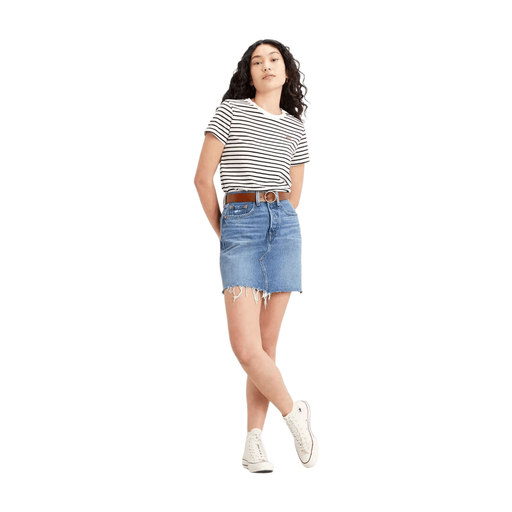
Why it suits this profile: This brown unisex belt is designed for everyday casual wear and is available in size 80. Its cotton and hemp blend suits a relaxed wardrobe.
The product details specify size 80 and the exact material composition, so you don’t have to rely as much on general marketing terms.
Unisex style; 69% cotton and 31% hemp; washing and cleaning instructions provided.
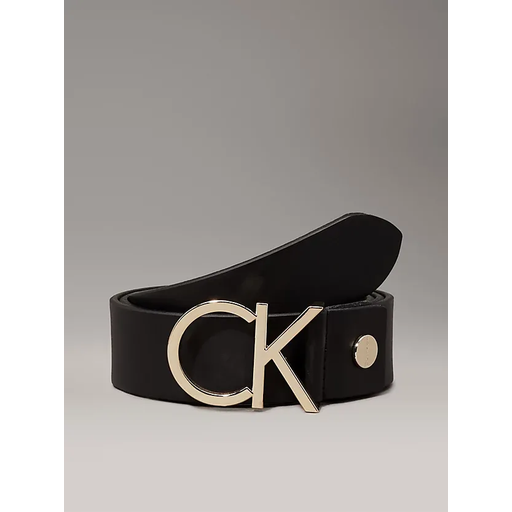
Why it suits this profile: According to the product description, this black leather belt is designed to be worn with jeans, trousers and suits. The logo buckle adds a distinctive detail.
The product description explicitly states “genuine leather” and gives separate material details for the metal buckle.
Black; listed as genuine leather in the product details; available in size 85 and other sizes.
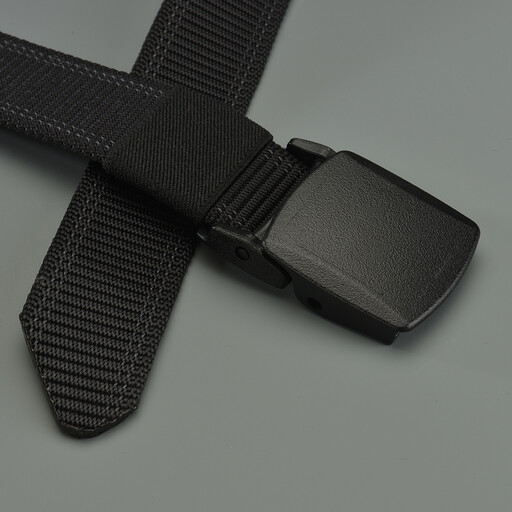
Why it suits this profile: The product name positions this black belt for walking and outdoor activities. Before buying, check the latest sizing and material details on the product page.
This choice is matched to a specific activity. Check the fit, fastening and dimensions before using the belt for longer walks.
Black outdoor style; designed for walking according to the product name; checking the product specifications beforehand is still important.
An elasticated or braided belt is a good option if you spend a lot of time sitting, cycling or walking, or if you switch between different pairs of trousers. The stretch gives you more room to move, but this type of belt may not be suitable if you need firm support.
For sports and walking, a dedicated sports belt or walking belt makes more sense than a leather belt. According to the product details, the Dunlop Sports Belt is suitable for a waist measurement of 51 to 71 cm. This makes checking the size especially important: a range up to 71 cm won’t automatically fit every adult.
Always check the care label. According to the product details, the Levi’s belt can be washed in cold water on a delicate cycle; for the Calvin Klein belt, refer to the product label. Don’t simply wash leather or put it in the tumble dryer.
We’ve put together a complete, up-to-date list of products that meet these strict selection criteria and comply with current European safety regulations.
Measure your waist where you wear the belt, ideally over your clothes. Compare this measurement with the size guide for the specific product. Also check whether the size shown is the buckle-to-middle-hole measurement or the belt’s total length.
Its lifespan depends on how often you wear it, how much strain it’s under, exposure to moisture and how well you care for it. Keep a leather belt dry, avoid folding it sharply for long periods and follow the care advice on the label. The term “genuine leather” tells you about the main material, but it doesn’t determine exactly how long the belt will last.
A slim black leather belt with a simple metal buckle usually works well with a suit or smart trousers. Match its colour to your shoes and check that it fits through your belt loops. For casual clothes, a brown fabric, braided or elasticated belt is often more practical.
