
Editor in a shared room
You want to hear quiet choir passages over background noise without disturbing the people you live with. In 2010, Sound On Sound explained why sound leakage is worth considering when monitoring during recording.


When there’s background noise, other people in the room or a microphone recording to monitor, a well-fitting pair of closed-back headphones is an obvious choice. In an article from January 2010, Sound On Sound highlighted the risk of sound from headphones reaching the microphone during recording. In a quiet room, where sound leakage isn’t an issue, you can also compare an open-back model. Try both with familiar choir passages, check the fit and connections, and don’t rely solely on a manufacturer’s description of the sound.
You want to hear quiet choir passages over background noise without disturbing the people you live with. In 2010, Sound On Sound explained why sound leakage is worth considering when monitoring during recording.
You want to compare vocal balance and spaciousness while editing, and can consider an open-back model if sound leakage isn’t a problem. Sennheiser describes the HD 560S as having an open-back design.
You mainly need headphones that fit well during long listening sessions and connect to your existing laptop or audio interface. Check the fit for yourself: a manufacturer’s claim about comfort doesn’t prove how a particular model will fit you.
In a student room, the first thing to consider is whether you need to reduce background noise and sound leakage. After that, the choice between closed-back and open-back headphones largely depends on where and how you’ll listen back to your recordings.
Choose this option if: household noise masks quiet singing, other people are around or you’re monitoring during a microphone recording.
Bear in mind: how well they seal also depends on the fit, and a closed-back design doesn’t guarantee that the sound will suit your choir mix.
Choose this option if: you usually edit in a quiet room and sound leakage isn’t a problem.
Bear in mind: an open-back model blocks less background noise and is less suitable for monitoring near a sensitive microphone. Also check that your output can provide a usable listening volume.
For consumers editing choir recordings in a student room, the choice may come down to sound isolation, how well you can assess the choir’s sound, comfort during long sessions and compatibility with your existing equipment.
| What to consider | What to look for | Who is this most important for? |
|---|---|---|
| Isolation and sound leakage | Compare a closed-back and an open-back design; check how the ear cushions fit and test for sound leakage in a trial recording. | If household noise masks quiet choir passages, I want to listen without disturbing the people I live with; around 33% of consumers prioritise isolation above all else. |
| Voices and spaciousness | Listen to familiar choir passages on the same device and at the same volume; also check your choices on a second playback system. | When I want to assess vocal balance and spaciousness in a quiet room, I need to be able to compare the differences clearly; around 27% of consumers prioritise assessing the choir’s sound. |
| Comfort during long sessions | If possible, try wearing the headphones for a longer period and check the pressure and fit; if you use them intensively, see whether the cushions are replaceable. | During long editing sessions, I want to know whether the headphones will remain comfortable; around 20% of consumers make wearing comfort their top priority. |
| Connections and maintenance | Check the plug, cable and usable volume with your laptop or audio interface; impedance alone doesn’t determine the volume. | If I want to listen back on my existing laptop or audio interface, I want to know in advance whether the connection and volume will work for me; around 20% of consumers prioritise compatibility and maintenance. |
Open-back ear cups offer little isolation. During monitoring, sound from the headphones can end up in the recording.
If you can hear household noise or are monitoring during a recording, start with a well-fitting closed-back model. Compare open-back models for listening back in a quiet room.
A product description doesn’t prove how well you’ll be able to assess vocal balance with those headphones.
Compare familiar choir passages at the same volume and check your edits using another playback source too.
Connections and features apply to specific models and variants, such as the beyerdynamic DT 770 PRO 80 ohm.
Compare the full model name, plug and supplied cable with the connection on your device.
If the cable, plug or headphone output isn’t suitable, you may need a different cable, an adaptor or additional equipment.
The closed-back DT 770 PRO 80 ohm is one option to compare for listening in a shared room. Other variants don’t necessarily have the same specifications.
The closed-back ATH-M50x is worth considering if you want to compare passive isolation and the choice of supplied cables.
According to AKG, the closed-back K371 is designed for monitoring and has a foldable design.
The open-back HD 560S is an option for critical listening in a quiet room.
The MDR-7506 is a wired reference model you can use to compare features such as weight and cable design.
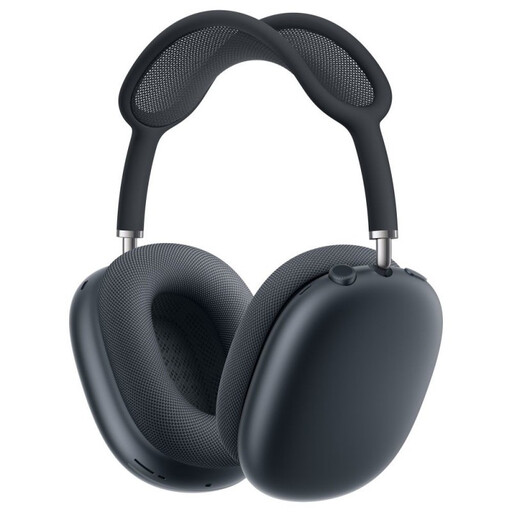
The Joybuy products below are headphones and headsets for a range of listening needs. For choir editing, focus on whether their sound, connections and fit suit your recording set-up.
 No image available
The listening modes mentioned may be useful if you switch between different listening conditions while editing; check that the controls and connection suit your workflow.
 No image available
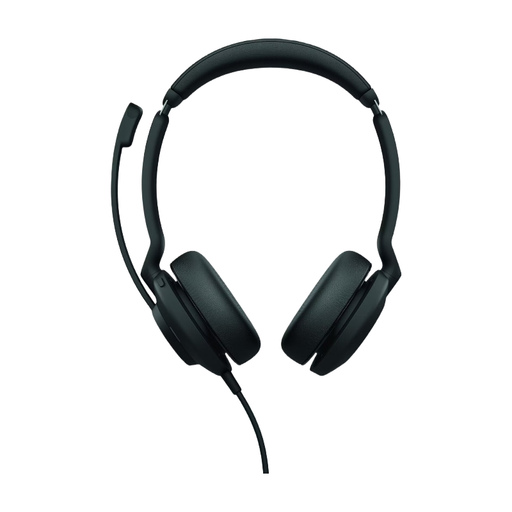
The supplied 3.5mm audio cable mentioned may be useful if you want to listen back using a wired connection; check that it fits your laptop or audio interface.
 No image available
If you’re considering a headset for work and media too, listen to familiar choir excerpts to see whether you can assess vocal balance and detail clearly.
 No image available
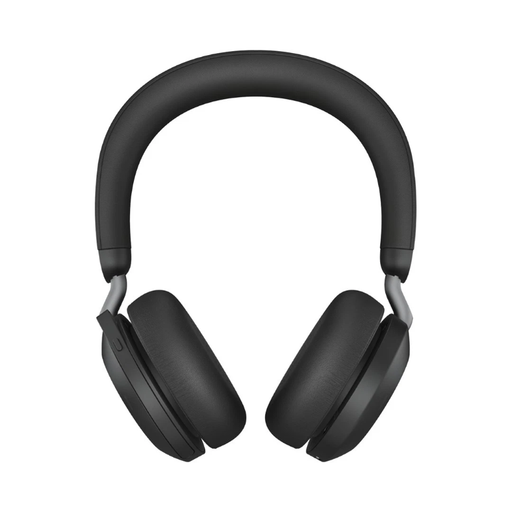
The closed-back design and cable option mentioned may be useful in noisy surroundings or for wired listening; check the fit and connection with your equipment.
 No image available
The noise cancellation mentioned may be useful in noisy surroundings; check whether this headset also suits the wired workflow you need for editing.
For monitoring during a microphone recording, closed-back headphones are an obvious choice to reduce sound leakage. Consider an open-back model mainly when listening back later in a quiet room.
According to beyerdynamic, this exact variant has a 3.5mm plug and a 6.35mm adaptor. Check which output your laptop or audio interface has, and whether it gives you a usable listening volume at a modest setting; impedance alone doesn’t determine this.
Check whether the ear cushions on the exact variant are replaceable, and assess the fit regularly. beyerdynamic specifies replaceable cushions for the DT 770 PRO 80 ohm; AKG specifies them for the K371.
The World Health Organization recommends keeping an eye on both volume and listening time, and taking regular breaks. The example given of 80 dB for a maximum of 40 hours per week is a guideline for exposure, not a guaranteed safe volume or a product specification.
ACM ConsuWijzer states that online purchases generally come with a 14-day cooling-off period from the day of delivery; statutory exceptions may apply. If a product fails sooner than you could reasonably expect under normal use, your statutory guarantee still applies and the retailer is your point of contact.