For editing choir recordings in a quiet room, open-back studio headphones are a sensible starting point. If you also monitor with live microphones or want to block out background noise, a closed-back model is a better fit. RTINGS and Shure outline these trade-offs for studio work. Also check that the fit remains comfortable and that the cable reaches your audio output without pulling at both the low and high desk settings.
Who is this choice relevant to?
Choir editor in a quiet workspace
If you edit vocal layers, placement and reverb, you can weigh up open-back and closed-back designs without background noise constantly demanding your attention. RTINGS and Shure outline these trade-offs for studio work.
Editor who also monitors recordings
If you use headphones with live microphones, you need to consider sound leaking from the earcups. Shure describes closed-back headphones as an option for recording work.
Someone who works standing for long periods
If you listen for long periods and change the desk height, it’s worth paying attention to fit and cable routing. The Consumers’ Association of the Netherlands lists comfort and a secure fit as important things to check when choosing headphones.
What should you look for when choosing?
Open-back wired studio headphones
A good fit if: you mainly assess choir parts, stereo placement and reverb in a quiet room.
Trade-off: sound can leak out and you’ll still hear background noise, which may make this design less suitable when using a live microphone.
Closed-back wired studio headphones
A good fit if: your room is noticeably noisy or you also monitor while recording.
Trade-off: passive isolation won’t block out all background noise. Where possible, check your mix decisions on another suitable listening setup too.
| What to consider |
What should you check? |
Who is this particularly relevant to? |
| Choir parts and reverb |
Compare the open-back design and fit. Listen to a familiar choir recording, and don’t treat manufacturers’ claims about accuracy as independent measurements. |
If you mainly want to assess vocal layers, placement and reverb in a familiar recording, make that listening task your priority; around 36% of consumers put choir detail first. |
| Isolation and sound leakage |
Decide whether you also work with live microphones and compare the closed-back design with the level of isolation you need. |
If you work alongside a live microphone or want to block out background noise, you’ll want to limit sound leakage; around 29% of consumers prioritise isolation or recording monitoring. |
| Comfort and freedom of movement |
Assess the fit during extended wear and check the cable routing at both desk heights. |
For long editing sessions, you’ll want to listen comfortably and raise the desk without the cable pulling; around 21% of consumers put comfort and freedom of movement first. |
| Connection and maintenance |
Check the headphone output, plug or adapter, and impedance and sensitivity together; see whether suitable cables and ear pads can be replaced. |
If you want to use the headphones with your laptop or interface and replace parts later, check the connection and maintenance options first; around 14% of consumers give this combination top priority. |
Common buying mistakes
-
Using open-back headphones right next to a live microphone
Open-back earcups let sound leak out. This can be inconvenient when you’re recording with a microphone at the same time.
Before buying, decide whether you’ll only edit existing recordings or also monitor while recording. If it’s the latter, compare closed-back models too.
-
Looking only at the stated impedance
Impedance alone won’t tell you whether headphones will work well with your laptop or audio interface output. Sensitivity and the characteristics of the output also matter; Shure explains which output specifications may be relevant.
Compare the specifications of the exact headphones with those of your audio output, rather than relying on a single figure.
-
Checking the cable only when the desk is raised
A cable with enough slack when you’re sitting may pull on the connection when you’re standing.
Measure the route to your audio output with the desk at its highest setting, and check the plug and cable length of the exact model.
You may need a suitable replacement cable or a different cable route.
Brands to consider as a reference
Sennheiser
The open-back HD 490 PRO is a model worth comparing for mixing in a quiet room.
- The HD 490 PRO has replaceable ear pads.
- Sound can leak from the open-back design, so bear this in mind when working alongside live microphones.
beyerdynamic
The open-back DT 900 PRO X is a wired model with two stated cable lengths to consider when planning your desk setup.
- The manufacturer lists an impedance of 48 Ω and detachable straight cables measuring 1,8 m and 3 m.
- Impedance alone doesn’t prove that the model will suit every audio output, and sound can leak from the open-back design.
Audio-Technica
The closed-back ATH-M40x is worth considering if you combine editing with isolated listening or recording monitoring.
- The manufacturer lists a detachable straight cable measuring 3 m.
- The manufacturer describes the tuning as flat; this doesn’t prove independent superiority for choir mixes.
AKG
The open-back K702 is a model for listening and mixing in a quiet room.
- AKG lists a replaceable cable with a mini-XLR connection and replaceable ear pads.
- The stated cable length is 3 m; consider whether that length and potential sound leakage suit your workspace.
Shure
The closed-back SRH840A is a model to compare if isolation is important to you.
- Shure lists an over-ear, closed-back design and a detachable cable with a locking connector.
- The manufacturer’s claims about tonal balance and long-term comfort aren’t an independent assessment of how the headphones will suit your workspace.
Joybuy products related to this topic
The Joybuy options below are general-purpose headphones and a headset, not any of the studio models mentioned above. Consider them as possible additional listening or communication options, rather than as an automatic replacement for studio headphones used for critical mixing.
 No image available
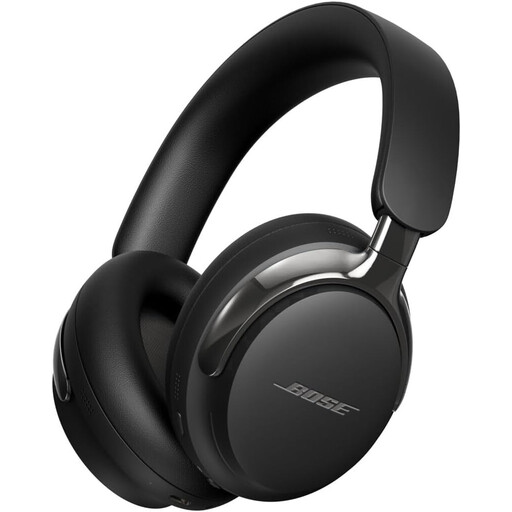
Bose QuietComfort Ultra Headphones (2nd Gen), Black
An option if you’re looking for over-ear headphones with noise cancelling alongside your studio setup.
Noise cancelling; wired listening via a detachable cable with a 3,5mm connection.
View at Joybuy
 No image available
Sennheiser MOMENTUM 4 Wireless, Black
An option if you’re looking for wireless over-ear headphones that can also be used with a cable.
Bluetooth; wired listening via a 3,5mm cable; the product name states a battery life of 60 hours.
View at Joybuy
 No image available
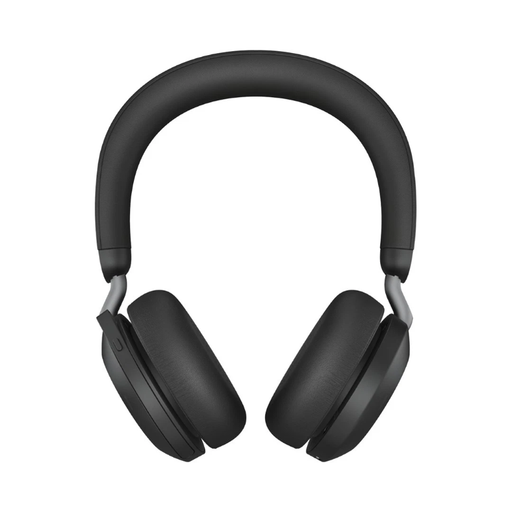
Jabra Evolve2 75 headset
A headset to consider if you want to listen and also use a wired USB-C connection.
Bluetooth; a USB-C cable for wired use. The product information lists an adjustable headband and earcups.
View at Joybuy
 No image available
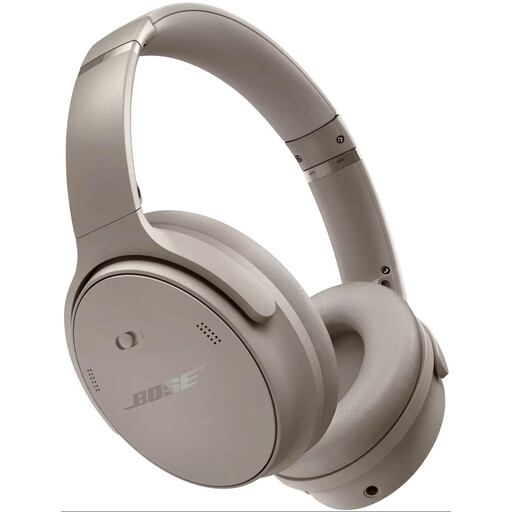
Bose QuietComfort Headphones, Sandstone
An option if you’re looking for over-ear headphones with noise cancelling alongside your studio headphones.
Bluetooth and active noise cancellation.
View at Joybuy
Frequently asked questions
Can you use open-back headphones when you’re also recording the choir?
Open-back headphones can work for editing in a quiet room, but closed-back headphones are often better near a live microphone because sound can leak from an open-back model.
How do you check the connection at a sit-stand desk?
Check the plug for your audio output and test the cable route at both desk heights without pulling on the connection. If you’re unsure whether you’ll get enough listening volume, don’t look at impedance alone: check the headphone sensitivity and the output specifications too. Shure explains why these output specifications are relevant.
How can you reduce the risk to your hearing during long editing sessions?
Keep the volume no higher than necessary, take breaks and pay attention to both the level and the listening time. The World Health Organization gives an average of 80 dB for up to 40 hours a week as an example; at 90 dB, it gives four hours a week. This advice doesn’t mean that any particular volume-control setting is automatically a confirmed safe level.
What if the fit isn’t right after buying online?
For an ordinary online consumer purchase in the Netherlands, you generally have a statutory cooling-off period of up to 14 days after delivery, according to ACM ConsuWijzer. This concerns the cooling-off period and is separate from your rights if a product is faulty or misleading. Check the terms for trying and returning the product: ACM ConsuWijzer lists exceptions for certain hygiene products whose seal has been broken, but not every pair of headphones automatically falls into this category.
Are you automatically entitled to exactly two years of statutory warranty in the Netherlands?
No. According to the Dutch Government, there is no fixed statutory warranty period in the Netherlands. You’re entitled to a product that meets the standard you could reasonably expect. If there’s a problem, contact the seller.


