What should you look for when choosing?
First decide whether you need sprinkles for decorating bakes or chocolates to give straight away. Then compare the pack format and size, and check the ingredients of the product you’re considering.
| What to consider |
What to check when buying |
Who it matters to |
| Decorating Christmas bakes |
Decide whether you want sprinkles, flakes or chunks. For dark varieties, compare the stated cocoa content of each product. |
If you want to decorate cooled biscuits or cupcakes, look for sprinkles that suit your recipe. Around 45% of consumers are said to buy them primarily for decorating. |
| Gifting and sharing |
Check whether the pack is intended to be given or shared straight away, and what types of chocolate it contains. |
If your Christmas treat needs to be ready to serve without any further preparation, a sharing pack is more important than its suitability as a baking decoration. Around 33% of consumers are said to prioritise a ready-to-give gift. |
| Ingredients and storage |
Check the current label for allergens, sugars and any sweeteners; also check the best-before date. |
When baking for others, you’ll want to know which ingredients you’re using and whether an opened pack is still suitable. Around 22% of consumers are said to prioritise checking ingredients. |
Product examples in order
This curated selection runs from dark sprinkles for decorating, through a mix and a variety to compare for sugar content, to chocolates for sharing straight away. It isn’t an independent product test or a ranking based on sales figures.
| Rank |
Product |
Features |
Why consider it? |
Retailer |
| 1 |
De Ruijter Royaal Extra Dark Chocolate Sprinkles 390 g |
390 g; at least 43% cocoa solids, according to Albert Heijn. |
One to consider if you’re looking for dark sprinkles to decorate bakes. Cocoa content alone doesn’t tell you about allergens or whether the product is suitable for your recipe. |
Albert Heijn |
| 2 |
Venz Mini's 170 g |
Selection of small packets of different sprinkle and flake varieties. |
An option for decorating in different ways with small quantities. Check that this particular selection pack is available and read the allergen information. |
Albert Heijn |
| 3 |
Jumbo Dark Chocolate Sprinkles 200 g |
200 g; at least 50% cocoa solids, according to Jumbo. |
A dark variety whose nutritional information and ingredients you can compare with other sprinkles. The cocoa percentage alone shouldn’t determine your choice. |
Jumbo |
| 4 |
Mars Mini Chocolate Assortment 400 g |
Mixed box of chocolates, 400 g. |
A separate option for sharing straight away, rather than for sprinkling on a recipe. Joybuy lists milk, soya, peanuts and nuts among the allergens. |
Joybuy |
Products for decorating bakes on Joybuy
These sprinkles and chocolate pieces are worth considering for decorating bakes, including mixes and a larger pack for several baking sessions. Choose a shape that suits your recipe; a ready-to-give chocolate gift serves a different purpose.
 No image available
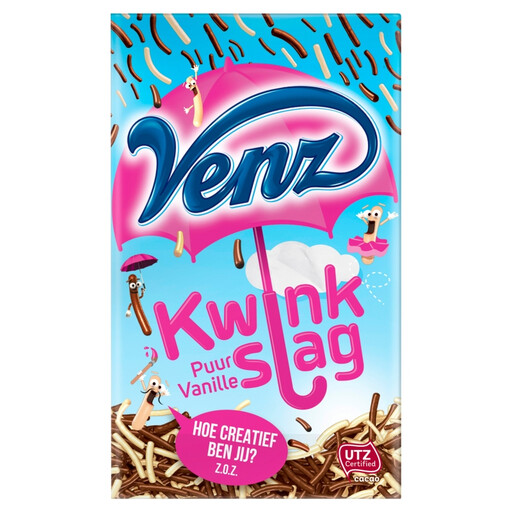
Venz chocolate sprinkles and vanilla-flavoured sprinkles – 400 g
Consider this combination if you want to use both chocolate and vanilla sprinkles to decorate bakes.
Check the ingredients and allergens on the exact pack, including milk, soya and wheat.
View on Joybuy
 No image available
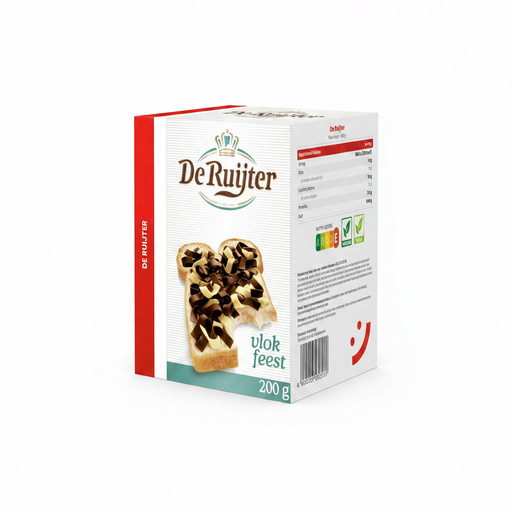
De Ruijter Flake Feast – 200 g
Consider these flakes if you want to finish a bake with a different shape from standard sprinkles.
Check the current packaging for information about wheat, soya and possible traces of milk.
View on Joybuy
 No image available
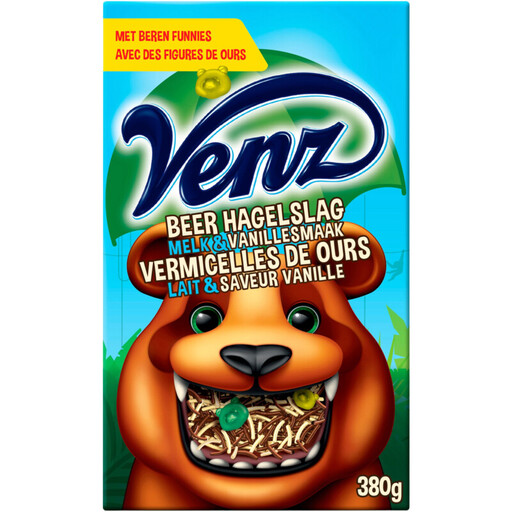
Venz Sprinkles Beer Milk Vanilla – 380 g
This mix is an option if you want to decorate cupcakes or other bakes with different shapes and milk and vanilla flavours.
Check the packaging for milk, soya and wheat, among other ingredients. A cocoa percentage stated for one part of a mix doesn’t automatically apply to the whole pack.
View on Joybuy
 No image available
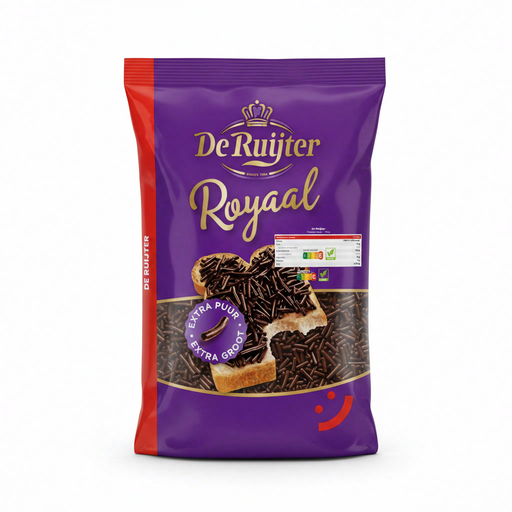
De Ruijter Chocolate Chunks – 390 g
Consider chocolate chunks if you’d rather finish cupcakes or bakes with pieces than fine sprinkles.
Check that the shape suits your decoration, and read the packaging if milk, soya or lactose is a concern.
View on Joybuy
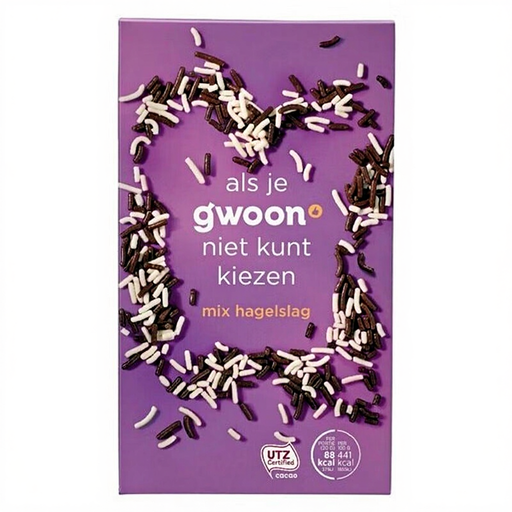 No image available
g'woon milk chocolate sprinkles with smiley faces – 600 g
A pack to consider if you want milk chocolate sprinkles with smiley faces for several baking sessions.
Choose this pack size only if you can use it and store it somewhere dry. Also check the packaging for information about milk and wheat.
View on Joybuy
Frequently asked questions
Should you add sprinkles to Christmas biscuits before or after baking?
Add sprinkles after baking and cooling if you’re using them to decorate your bakes. In a Lidl recipe for Christmas wreath biscuits, the cooled biscuits are decorated with chocolate spread and sprinkles.
Can a box of chocolates replace sprinkles for Christmas baking?
Not if you need sprinkles for decorating bakes. A box or selection of chocolates is mainly intended for giving or sharing straight away. If you need both, choose separate products and check the allergens on the chocolate packaging.
Which allergens should you check in sprinkles and chocolate mixes?
Check the allergens on the current packaging for the exact variety, as ingredients differ between products. The sprinkle examples mentioned here include milk and soya, and sometimes wheat; Joybuy also lists peanuts and nuts for the mixed Mars pack.
How should you store opened chocolate sprinkles?
Store opened chocolate sprinkles in a dry kitchen cupboard. The Voedingscentrum recommends keeping them for no longer than one year and says a stale smell is a sign to check their quality.
Does baker’s salt in the Netherlands always contain iodine?
No, don’t assume that all baker’s salt contains iodine. The Netherlands Food and Consumer Product Safety Authority says iodine compounds may be added to bread, bread substitutes and other bakery products through baker’s salt, at a maximum of 65 mg of iodine per kg of salt. This condition doesn’t mean that iodine is added to every type of baker’s salt.


