What should you look for when choosing?
Start with fibre and sugars per 100 g. Then check the serving size, ingredients and serving suggestion for the exact product you want to buy.
| What to check |
What to look for when buying |
Who it matters to |
| Fibre |
Check the fibre per 100 g and look for any ‘high in fibre’ claim on the packaging. |
If fibre is my main reason for choosing chocolate breakfast cereal, I want to compare the figures before deciding based on flavour. Around 42% of consumers put this fibre consideration first. |
| Sugars |
Compare the sugars per 100 g and read any explanation accompanying a ‘no added sugars’ claim. |
I want a chocolate flavour, but I distinguish between added sugars and sugars already present in the ingredients. For around 33% of consumers, this distinction is the most important factor. |
| Serving size and convenience |
Check the suggested serving size, what you’ll need to add and whether the product is available where you shop. |
Breakfast needs to fit into my morning routine; I don’t want to find out I need something else only when I’m getting it ready. For around 25% of consumers, this practical convenience comes first. |
Chocolate breakfast cereals at Joybuy
These products offer a choice of chocolate crunchy muesli, crunchy muesli and chocolate flakes for a quick breakfast. When choosing, check the current nutritional information per 100 g: product names alone don’t give you comparable fibre or sugar figures.
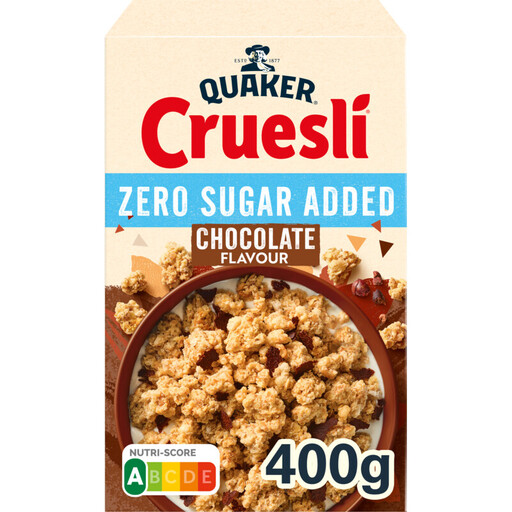 Image unavailable
Quaker Cruesli Choco Zero Sugar – 400 g
An option if you’re looking for chocolate crunchy muesli for a quick breakfast bowl. Check the fibre and sugars per 100 g on the current packaging; only use a per-serving figure once you’ve checked the serving size too.
View at Joybuy
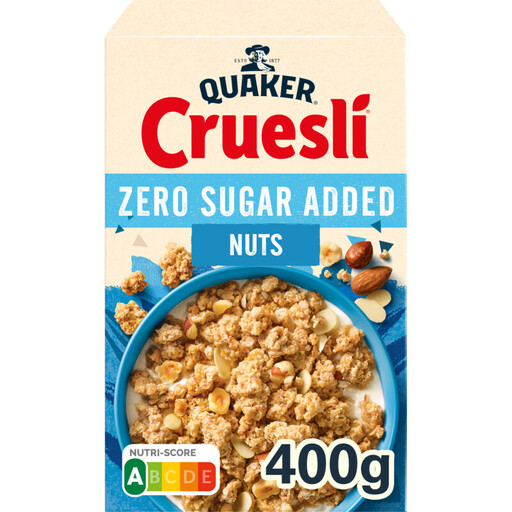 Image unavailable
Quaker Cruesli Nuts Zero Sugar – 400 g
This crunchy muesli option is worth considering if you’d also like a nut variety. If you have allergies, check the ingredients and allergen information on the packaging, and compare fibre and sugars per 100 g.
View at Joybuy
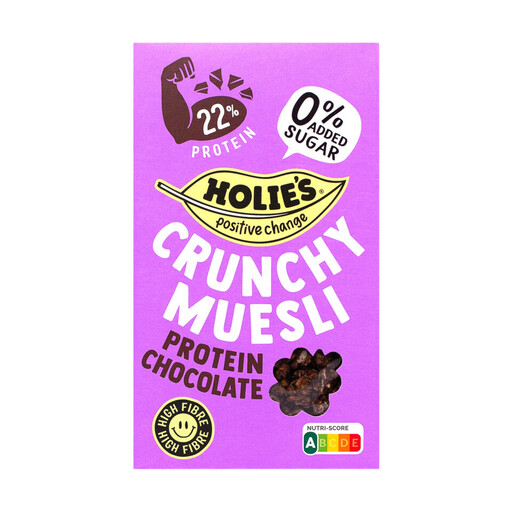 Image unavailable
Holie's Crunchy Muesli Protein Chocolate – 400 g
A crunchy chocolate muesli for anyone who prefers this texture to flakes. Check the fibre, sugars and serving size using the nutritional information rather than relying on the variant name alone.
View at Joybuy
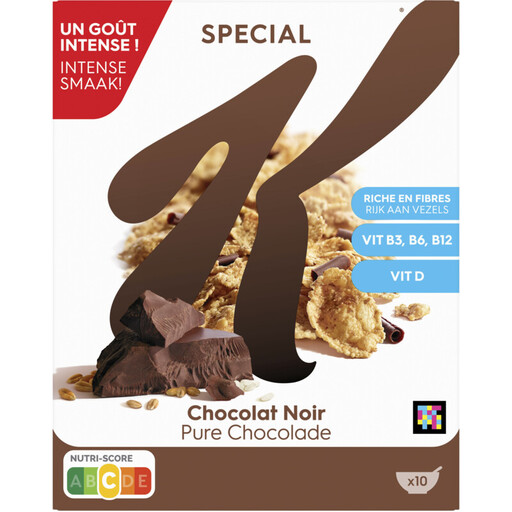 Image unavailable
Kellogg's Spk Dark Choco – 300 g
An option if you’re looking for chocolate flakes for breakfast rather than crunchy muesli. Check the fibre and sugars per 100 g on the packaging before comparing this option with the muesli products.
View at Joybuy
Frequently asked questions
When can breakfast cereals be called ‘high in fibre’?
Under European rules on nutrition claims, ‘high in fibre’ can be used when a product contains at least 6 g of fibre per 100 g or 3 g per 100 kcal, as set out in the EU regulation on nutrition and health claims. Also compare the sugars per 100 g: a fibre claim doesn’t tell you about the product’s overall nutritional value.
How do I compare two chocolate breakfast cereals?
First compare the nutritional information per 100 g, especially fibre and sugars. The Netherlands Nutrition Centre recommends this basis for breakfast cereals. Then consider the serving size you want to eat and bear in mind the differences between options such as flakes and muesli.
Does ‘no added sugars’ also mean sugar-free?
No. For Quaker Cruesli Zero Sugar Added Chocolate, Albert Heijn mentions naturally occurring sugars as well as ‘no added sugars’. So check the total sugar content in the nutritional information.
What do I need with my breakfast cereal for a quick bowl?
It depends on how you want to eat it. For example, Albert Heijn suggests a 45 g serving of Quaker Cruesli Zero Sugar Added Chocolate with 100 ml of low-fat yoghurt. Check the serving size for your chosen product and make sure you have whatever you’d like to serve it with.


