What should you look for when choosing?
First decide when you want to eat the biscuit. Then compare the nutrition information per 100 g and work out how much you’ll actually take with you or eat.
| What to consider |
What should you check? |
Who might this matter more to? |
| Timing and stomach comfort |
Check the fat content per 100 g and think carefully about how much you’ll eat shortly before running. |
Before a run, I don’t want to have a large or unfamiliar snack that might feel heavy. Around 42% of shoppers put timing and stomach comfort first. |
| Long training sessions |
Work out the carbohydrates in the portion you plan to eat, and include fluid intake in your plan too. |
If I’m running for a long time at high intensity, I want to know whether a biscuit fits into my plan for carbohydrates and fluids. This is the main consideration for around 33% of shoppers. |
| Portion size and label |
Compare carbohydrates, sugars, fat and fibre per 100 g and per portion. If you have an allergy, check the current packaging. |
When choosing a pack, I want to be able to plan portions and check the ingredients. Portion size and the label come first for around 25% of shoppers. |
Chocolate biscuits on Joybuy
These products may suit you if you’re looking for a chocolate biscuit to snack on around a training session. Choose a portion based on the packaging and label; the product format alone won’t tell you how a biscuit will feel while you’re running.
 No image available
Glico Pocky Cookie Bar Chocolate Flavor 47 g IN
An option if you’d like to take a small pack with a chocolate flavour to have around your training session.
The pack is 47 g; check the label to work out the nutrition information for the amount you choose.
View at Joybuy
 No image available
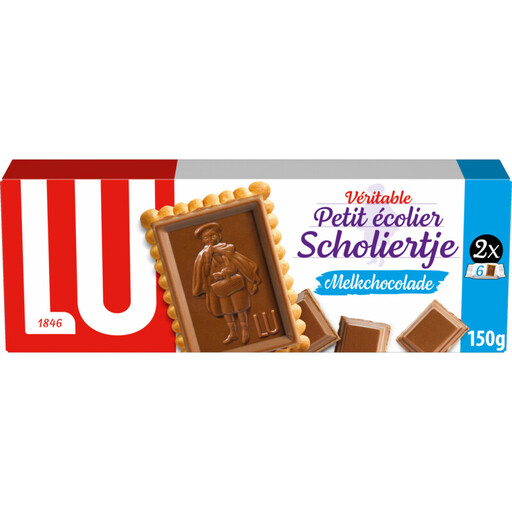
Lu Scholiertje Milk Chocolate Biscuits 150 g
A chocolate biscuit to consider as a snack outside the immediate running window.
The pack is 150 g; check the portion size and compare carbohydrates and fat on the label before planning how much to eat.
View at Joybuy
 No image available
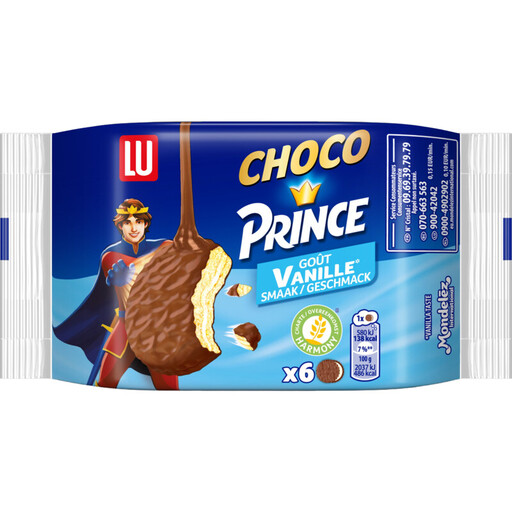
Lu Choco Cookies with Chocolate and Vanilla 171 g
An option if you’re looking for a chocolate and vanilla biscuit to enjoy as a snack around your training session.
The pack is 171 g. Check the label to see how much one biscuit weighs if you want to work out its nutritional values per biscuit.
View at Joybuy
 No image available
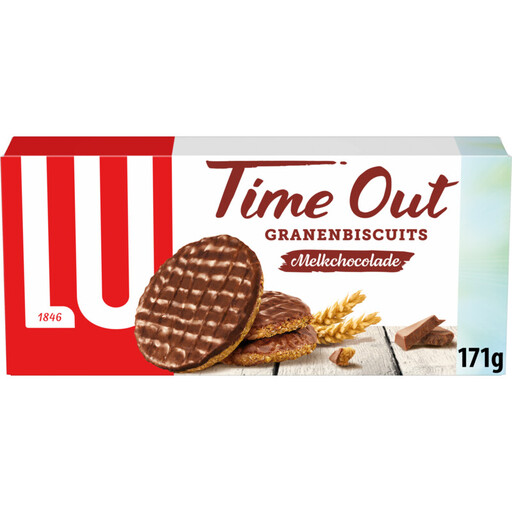
Lu Time Out Cereal Biscuit Chocolate 171 g
A chocolate cereal biscuit to compare if you’re looking for a snack around a training session.
The pack is 171 g. Check the nutrition information per 100 g and consider how much you actually want to eat.
View at Joybuy
 No image available
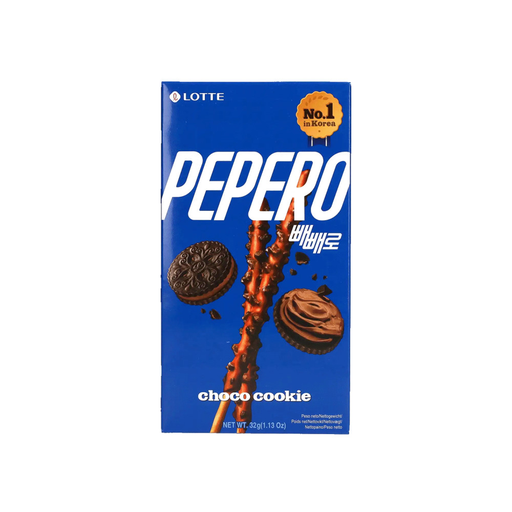
Lotte Pepero Choco Cookie Sticks 32 g
A pack of chocolate biscuit sticks for anyone who’d rather take sticks than individual biscuits.
The pack is 32 g; check the weight of the amount you eat before comparing nutrition information per portion.
View at Joybuy
Frequently asked questions
Do I need chocolate biscuits during marathon training?
No, a chocolate biscuit isn’t essential sports nutrition. The Netherlands Nutrition Centre distinguishes between different durations and levels of intensity: carbohydrates and fluids become more important during prolonged, intense exercise when you’re sweating heavily, but that doesn’t mean a chocolate biscuit is necessarily suitable.
Can I eat a chocolate biscuit just before running?
It depends on the portion size, timing and how the product affects you. The Netherlands Nutrition Centre advises against large portions and high-fat foods shortly before exercise. It’s better to try a new biscuit during a regular training session rather than just before an important run.
How do I compare the nutrition information on chocolate biscuits?
First compare the same nutritional values per 100 g, then look at the portion you plan to eat. The Netherlands Nutrition Centre uses comparisons per 100 g to compare products. For your own portion, pay attention to carbohydrates, sugars, fat and fibre.
What should I check if I have a food allergy?
Read the current label on the exact product variant, including the ingredients and any warnings about possible traces. The Netherlands Food and Consumer Product Safety Authority outlines the rules on declaring allergens on food labels; don’t rely solely on an older online product description.


