
Vandaag of morgen in huis

Kwaliteit gegarandeerd

Welkomstaanbiedingen ontgrendelen: GRATIS bezorging | Tot 80% korting | Gratis 30 dagen JoyPlus-proefperiode
Download de app
Chocolate with almonds comes in bars, ice cream, biscuit sticks, pralines, date snacks and protein bars. With so much choice, it’s not always easy to know what to buy. Packaging with terms such as “premium”, “light” or “rich flavour” tells you little about the amount of almond, the portion size or the allergens.
Comparing products carefully can help you avoid these three common buying mistakes:
Ingredients are listed in descending order by weight. If almonds appear relatively early in the list, they generally play a more significant role in the product. Check the form, too:
The amount can vary considerably. For example, Tony’s Chocolonely Pure Almond Sea Salt lists 10% almonds, while Ritter Sport Honey Salt Almond lists 20% almonds in its honey and salt coating. Toblerone lists 1.6% almonds in its ingredients. These are verifiable differences that tell you more than an eye-catching product name.
Nutritional information is usually given per 100 g, while a bar or snack may weigh a different amount. A 32 g bar, such as Lotte Pepero, is therefore not directly comparable with a 100 g or 180 g bar.
Pay particular attention to:
Barebells Protein White Chocolate Almond lists 36 g of protein per 100 g and 55 g per bar. The product also contains sweeteners; according to the product information, excessive consumption may have a laxative effect. So make sure you read the usage and ingredient information carefully.
Almonds are an allergen in the tree nut group. Products may also contain milk, lactose, soya, egg, gluten or other nuts. “May contain traces of” means cross-contamination is possible. If you have an allergy, check the label and product information carefully.
For halal-certified snacks, such as the Lotte Pepero varieties listed, check the certification on the packaging. An online product description is useful, but the packaging you receive is the final authority if the recipe or labelling has changed.
Storage requirements vary by product type:
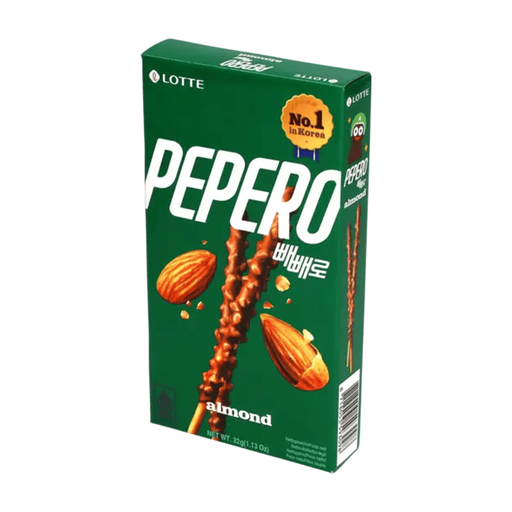
Why it suits this shopper: The small pack makes this almond chocolate a handy way to try an Asian snack without buying a large amount straight away.
The 32 g pack makes the portion size clear. The product information also lists almonds, milk, soya and wheat as allergens.
32 g per pack, a crunchy biscuit stick, chocolate coating and halal certification according to the product information.
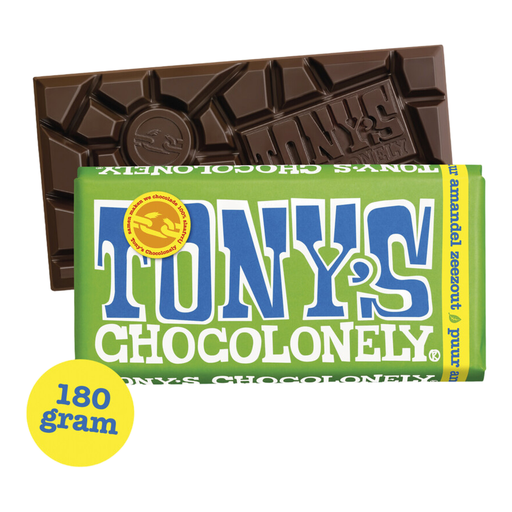
Why it suits this shopper: A great choice for fans of dark chocolate, bold cocoa flavours and a savoury hint of sea salt.
The stated almond content of 10% makes the amount of nuts easy to check. The bar lists at least 51% cocoa solids.
180 g, dark chocolate, 10% almonds and 0.5% sea salt according to the product information.
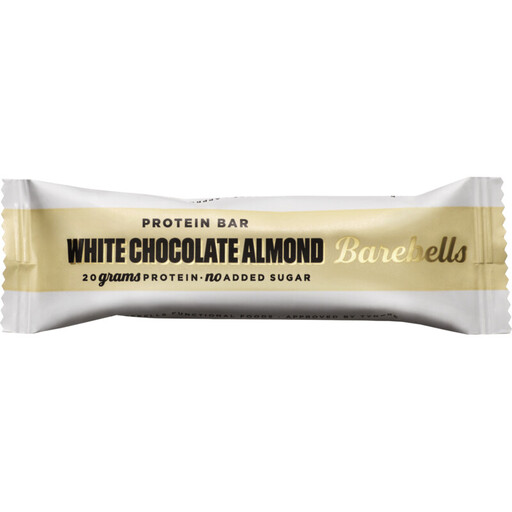
Why it suits this shopper: An individually wrapped bar for on the go, after a workout or as an alternative to a regular chocolate snack.
The bar has a fixed weight of 55 g and lists 36 g of protein per 100 g. The warning about sweeteners is clearly stated in the product information.
55 g per bar, a 21% white chocolate coating, 4% almonds and protein information based on the product details.
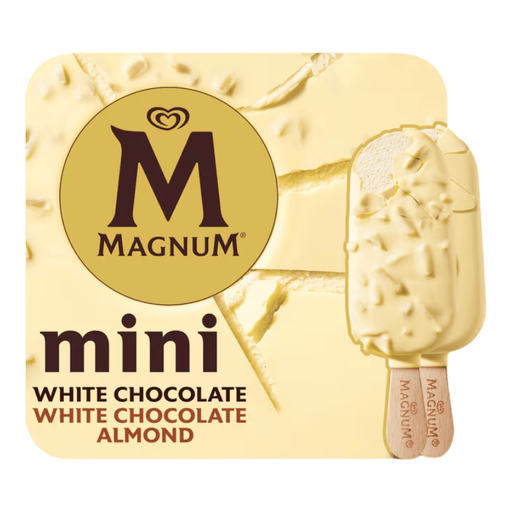
Why it suits this shopper: The mini portions are handy for dessert after a meal or for sharing with others.
The pack contains six individual ice cream sticks, each 55 ml. According to the product information, the almond variety contains 4.5% almonds.
Six mini ice creams, a white chocolate coating, vanilla ice cream and almond pieces; store at -18 °C.
We’ve put together a complete, up-to-date list of products that meet these strict selection criteria and current European safety requirements.
Choose a 100–200 g bar or a multipack with individual portions. A product such as Magnum Mini contains six ice cream sticks, while a bar such as Tony’s Chocolonely weighs 180 g. Check in advance whether the pack is resealable and whether the product needs to be kept chilled or stored in a dry place.
Usually not. White chocolate contains no cocoa mass and often has a creamy, sweet flavour from sugar and milk ingredients. Dark chocolate with almonds generally has a more pronounced cocoa flavour. Compare the nutritional information if the sugar content matters to you.
Always read the full allergen information. Look beyond “almond” to check for milk, soya, wheat, egg, hazelnut and the warning “may contain traces of”. If you’re unsure whether a product is suitable, it’s best not to eat it.
