
Vandaag of morgen in huis

Kwaliteit gegarandeerd

Welkomstaanbiedingen ontgrendelen: GRATIS bezorging | Tot 80% korting | Gratis 30 dagen JoyPlus-proefperiode
Download de app
A tub of chocolate whey protein may seem easy to compare at first glance. However, two chocolate protein powders can differ considerably in protein content, calories, serving size and ingredients. If you only look at the flavour or the largest pack, you could end up paying for a product that does not suit your training goals.
The main pitfalls:
Do not just compare the number shown on the front. A serving may contain 20, 24, 25 or 30 grams of protein, but the serving size varies. A useful comparison point is the protein percentage per 100 grams.
Examples from the product specifications:
Protein contributes to the growth and maintenance of muscle mass. However, a protein shake for muscle growth is not a substitute for a varied diet and training routine.
Whey concentrate generally contains slightly more carbohydrates and fat alongside the protein. This can be a practical choice if you are looking for a standard whey protein powder for everyday use.
Whey isolate is filtered more extensively and, according to the product specifications, often contains relatively little sugar and fat. Optimum Nutrition 100% Gold Standard Isolate Chocolate, for example, lists 25 grams of protein, less than 1 gram of carbohydrates and less than 0.5 grams of fat per 31-gram serving.
Hydrolysed whey protein has been partially broken down in advance. Brands often present this as a form that is absorbed quickly. Treat this as a product characteristic or marketing claim, rather than a guarantee of noticeably better results. Platinum Hydro Whey contains hydrolysed whey protein isolate as its main protein source.
A blend combines several types of whey. You can see this, for example, in Gold Standard 100% Whey, Body&Fit Whey Perfection and Critical Whey.
Do you mainly want to add extra protein without consuming lots of calories? If so, pay attention to the energy, sugar and fat content per shake. Gold Standard 100% Whey lists approximately 119 kcal and 24 grams of protein per serving. Ghost Whey lists 130 kcal and 25 grams of protein per serving.
A chocolate mass gainer has a different purpose. Optimum Nutrition Serious Mass Chocolate lists approximately 1,250–1,260 kcal, 50 grams of protein and 250–253 grams of carbohydrates per serving. The recommended serving is around two heaped scoops. This may suit someone who finds it difficult to consume enough calories, but it makes less sense if you are trying to keep your calorie intake under control.
Do you mainly use whey after training, as a protein-rich snack between meals or in porridge? Then mixability, flavour, serving size and nutritional value are often more important than additional ingredients. Also check the allergens: many products contain milk and soya. Some packaging also mentions possible traces of gluten, egg, nuts or peanuts.
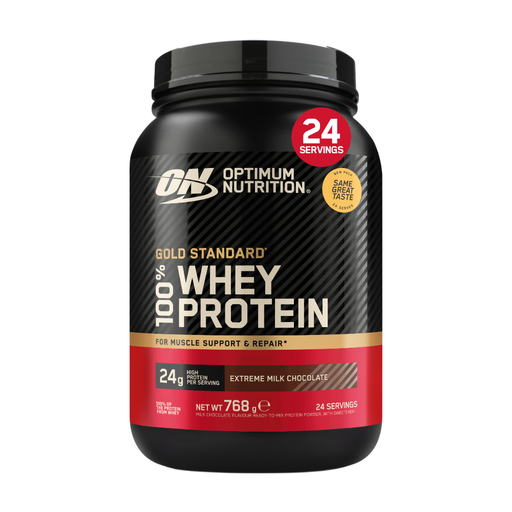
Why it suits this profile: Each serving contains approximately 24 grams of protein and 119 kcal. This makes it a straightforward choice for anyone just starting out with whey and looking to supplement their daily protein intake.
The nutritional information lists the serving size as well as the energy, carbohydrate, fat and protein content. You therefore do not have to rely solely on the text on the packaging.
Whey isolate, whey concentrate and hydrolysed whey peptides in one blend; instantised powder for preparation with water or milk.
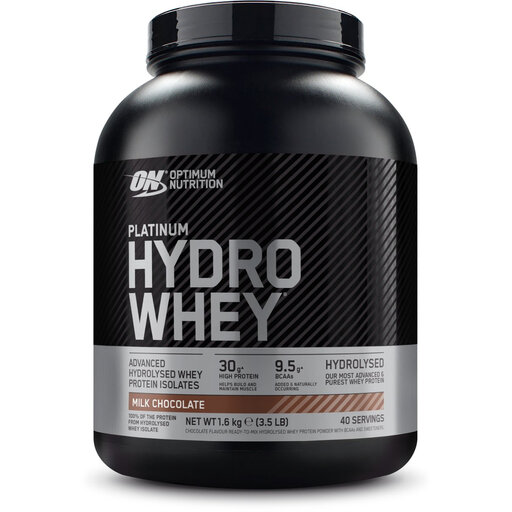
Why it suits this profile: This whey is aimed at adults looking for a high protein content per relatively small serving. According to the product specifications, one 40-gram serving provides 30 grams of protein.
The formula lists hydrolysed whey protein isolate as its base and provides nutritional values both per 100 grams and per serving.
30 grams of protein per serving; approximately 141 kcal, 1.2 grams of carbohydrates and 0.5 grams of fat per 40 grams.
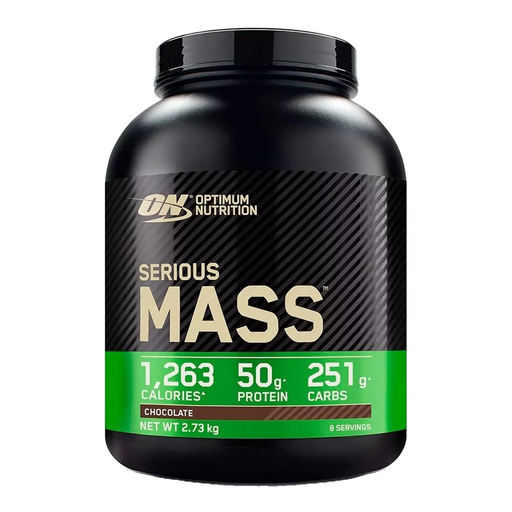
Why it suits this profile: This chocolate mass gainer is intended for adults who want to add plenty of extra calories and carbohydrates as well as protein, for example between meals or after a demanding workout.
The very high energy content makes it clear that this is not a standard whey shake. According to the product information, you may wish to start with half a serving.
Approximately 50 grams of protein, 250–253 grams of carbohydrates and up to 5 grams of creatine monohydrate per serving.
We have put together a complete, up-to-date list of products that fully meet these strict selection criteria and the applicable European safety regulations.
Mix the recommended amount with the quantity of water or milk stated on the label. A shake made with water generally contains fewer calories than the same shake made with milk. Use a shaker and drink the shake as part of your daily protein plan, for example after training, at breakfast or as a protein-rich snack.
Check these points before ordering:
Yes, a whey shake can be used after training as a practical way to supplement your daily protein intake. The exact timing is less important than your overall diet throughout the day. Follow the recommended serving on the label.
Whey isolate is filtered more extensively and, according to many product specifications, contains relatively less fat and sugar. Whey concentrate generally contains more other milk components. Compare the nutritional values for each product, as the formula varies by brand and blend.
Check the date on the packaging. Once opened, chocolate protein powder stays in the best condition when stored dry, cool, away from direct sunlight and in a tightly sealed container. Do not use powder that smells unusual, has become damp or has clearly changed in texture.
