
Vandaag of morgen in huis

Kwaliteit gegarandeerd

Welkomstaanbiedingen ontgrendelen: GRATIS bezorging | Tot 80% korting | Gratis 30 dagen JoyPlus-proefperiode
Download de app
A chocolate wafer seems like a simple purchase. You have a craving, you grab something off the shelf, and you're done. But the disappointment is immense when you end up with a soggy wafer and a bland chocolate flavour. The selection is huge, from classic wafer cookies to international specialities, and not everything is as it seems.
As a Joybuy Product Recommendation Officer, I see the challenges consumers face every day. Marketing jargon can make a product seem better than it is. Let's look at the most common pitfalls so your next snack isn't a letdown.
Pitfall 1: The "Chocolate" Illusion. Many products use terms like "chocolate flavour" or "cocoa-flavoured coating." This is often a cheaper compound of vegetable fats and sugar with a bit of cocoa powder, instead of real cocoa butter. The result is a waxy texture and a lack of deep chocolate taste.
Pitfall 2: The Soggy, Limp Wafer. The essence of a good wafer is its crispiness. Poor, non-airtight packaging or a recipe with too much moisture can turn even the most promising crispy cookies into a soft, chewy bite.
To make a good choice, you don't need to scrutinize ingredient lists. Just pay attention to a few simple characteristics that speak volumes about the quality.
Look beyond just "milk" or "dark." The ingredient list quickly tells you what you need to know. Is cocoa butter or cocoa mass listed first in the chocolate section? Then you're usually in good hands. Products like a classic Milka wafer often specify their use of Alpine milk chocolate, which indicates a specific flavour profile. A higher cocoa percentage doesn't always mean better; it's about the balance with the wafer.
What type of wafer are you looking for?
Broaden your horizons. Besides the well-known European brands, there are interesting options from other parts of the world. Japanese candy is known for unique flavours like matcha, while Turkish cookies are often rich and use nuts like hazelnut. These offer a completely different taste experience and make for a nice change.
To get you started, we've highlighted a few popular choices that suit different preferences and occasions.
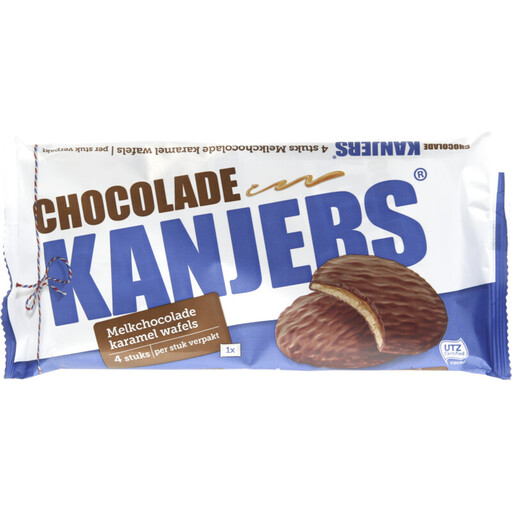
Why This Fits Their Persona: A classic Dutch treat with a modern twist. The combination of a caramel stroopwafel with a layer of real milk chocolate is a guaranteed delight. Individually wrapped, making it an ideal mess-free, on-the-go snack.
This wafer uses real milk chocolate, not a cocoa-flavoured coating. The stroopwafel's structure is firm, preventing the disappointment of a soggy wafer.
The combination of caramel and chocolate is a crowd-pleaser. Made with UTZ-certified cocoa.
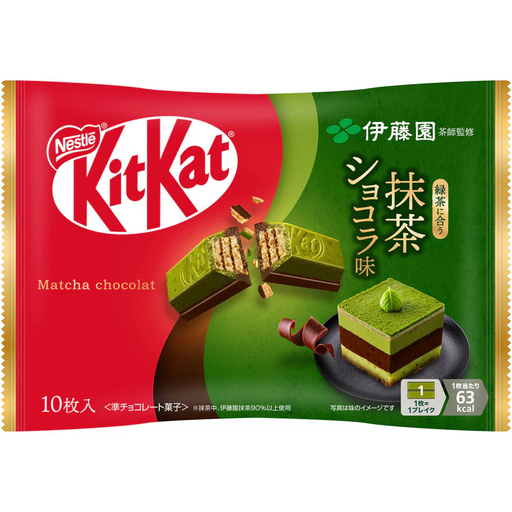
Why This Fits Their Persona: For those who want a change from the standard chocolate flavour. This version of KitKat, a popular Japanese snack, combines the familiar crispy wafer with the complex, slightly bitter taste of Uji matcha (green tea).
The flavour is authentic and distinct, not a vague "green tea flavour." The wafer is guaranteed to be crispy, just as you'd expect from KitKat.
A unique flavour combination you won't easily find in a typical supermarket. The package contains several small bars, convenient for sharing or portion control.
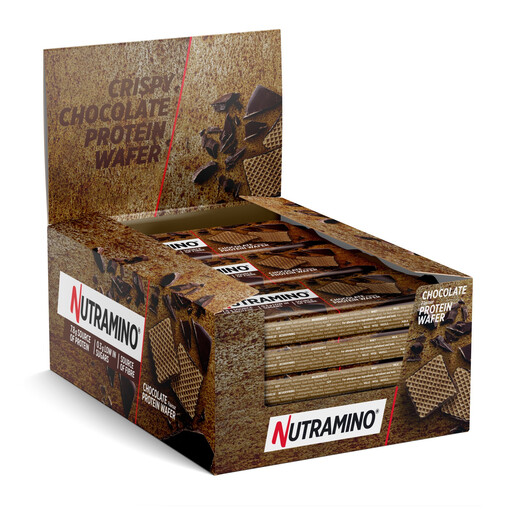
Why This Fits Their Persona: For those looking for a snack that fits an active lifestyle. This protein wafer offers a significant amount of protein with a limited amount of sugar. It's a functional treat that still provides the satisfaction of a real chocolate wafer.
This product is transparent about its nutritional values. It's designed to be low in sugar, allowing you to completely avoid the "hidden sugar bomb" pitfall.
According to the manufacturer, each serving contains 20% protein and only 1 gram of sugar. The texture is crispy, and the chocolate flavour is distinct.
We've compiled a complete, up-to-date list of products that meet these selection criteria. Find the chocolate wafer that's perfect for you.
The biggest enemies of a crispy wafer are air and moisture. Always store opened packages in an airtight container in a cool, dry place. Do not put them in the refrigerator, as condensation can make the wafer soft and cause the chocolate to develop a white film.
The main difference lies in the composition and purpose. A protein wafer is fortified with protein and often contains less sugar and carbohydrates. They are intended as a functional snack, for example, after a workout. A regular chocolate wafer is purely for indulgence, with the focus on taste and texture.
Yes, absolutely. Besides specific protein wafers, you can also look for varieties with dark chocolate, which naturally contain less sugar than milk or white chocolate. Always read the label if you want to limit your sugar intake. Products like Snack a Jacks chocolate can also be an alternative with a different nutritional profile than traditional wafers.
