
Those making their own sweet parade snack
You want to serve chocolate on toast and don’t mind buying the two separately and putting them together yourself.


If you really want to serve chocolate on toast at the Sinterklaas arrival parade, choose plain Melba toast and add the chocolate yourself. Toast ranges at retailers such as Albert Heijn and Jumbo include several types of Melba toast, but that doesn’t confirm the availability of ready-made chocolate-coated toast. If serving something straight away matters more than the toast idea, choose a different chocolate Sinterklaas treat instead. Whichever option you go for, check the labels of the products you serve.
You want to serve chocolate on toast and don’t mind buying the two separately and putting them together yourself.
You’re looking for something with a familiar Sinterklaas feel that you can serve straight away, even if it isn’t toast. For example, Bolletje lists chocolate-covered kruidnoten in its range.
You’re serving guests with different dietary needs and want to check the ingredients, allergens and any cross-contamination warnings for each product you choose.
First decide whether chocolate on toast is the main idea, or whether a Sinterklaas treat that’s ready to serve will do. The two options involve different products and different amounts of preparation.
Choose this if: you specifically want to serve a little chocolate toast; Van der Meulen and Dutch supermarkets list plain Melba toast as a possible base.
Bear in mind: you’ll need to buy the toast and chocolate separately, and set aside time to put them together. The texture of the toast afterwards will depend on how you prepare it.
Choose this if: you want something festive with no preparation, such as the chocolate-covered kruidnoten listed by Bolletje or the Sinterklaas chocolate letters Lidl lists for the festive season.
The difference: you won’t be serving toast. Check the ingredients and allergens on the label of your chosen treat.
| What to consider | What to check | Who is this important for? |
|---|---|---|
| The chocolate toast idea | Decide whether you want to combine the toast and chocolate yourself or serve a different treat straight away. | I want my snack to be made of toast and chocolate, and I can make time to prepare it. For around 42% of consumers, the toast idea comes first. |
| The shape and flavour of the toast | Look at the shape and choose deliberately between plain toast and more strongly flavoured varieties. | For small bites, I’m looking for a shape that’s easy to present, without accidentally choosing a savoury flavour. Around 33% of consumers put the toast base first. |
| Ingredients and allergens | Read the current labels for both the toast and the chocolate, including any cross-contamination warnings. | If a guest has a food allergy, I want to know what’s in both components before serving anything. Around 25% of consumers put this check first. |
The toast ranges at Albert Heijn, Jumbo and ALDI feature a variety of toast products, but that doesn’t confirm the availability of chocolate-coated toast. A recipe for chocolate toast isn’t a packaged toast product either.
Before you start looking, decide whether you want to add chocolate to toast yourself or are after a different treat that’s ready to serve.
Making it yourself means buying chocolate separately and setting aside time to prepare it.
A toast variety with herbs or another pronounced flavour will give you a different combination from plain toast.
Check the full variety name and choose plain toast if you want the chocolate flavour to take centre stage.
When you serve toast with chocolate, ingredients and allergens may come from either product. The Netherlands Food and Consumer Product Safety Authority also explains the rules for listing allergens and warnings about possible cross-contamination.
Before serving, check the packaging for both the toast and the chocolate. Don’t assume a product is suitable for a guest based on its name alone.
The conditions the Netherlands Food and Consumer Product Safety Authority describes for iodine in baker’s salt don’t tell you which ingredients have been used in an individual toast product.
Don’t treat the general rule as a product-specific claim. If iodine is relevant to your choice, check the current ingredient information.
These brands offer options for a toast base or a different Sinterklaas treat. Compare the specific variety: a brand name alone doesn’t tell you whether a product contains chocolate.
Van der Meulen lists plain, wholemeal and sesame varieties in its Melba toast range.
The drinks-and-snacks toast range includes plain Melba toast and other shapes of toast.
Jumbo lists several Van der Meulen toast varieties, including Melba Toast Naturel.
ALDI Netherlands lists SUN SNACKS Toast alongside other products in its rusks, toast and crackers category.
Lidl lists Melba toast and separate chocolate products, including Sinterklaas chocolate letters for the festive season.
Bolletje lists chocolate-covered kruidnoten as a Sinterklaas product.
These products are toast bases for anyone who wants to add their own chocolate. Choose according to the variety and quantity listed, and check the labels for the toast and chocolate separately before serving. These aren’t ready-made chocolate toast products.
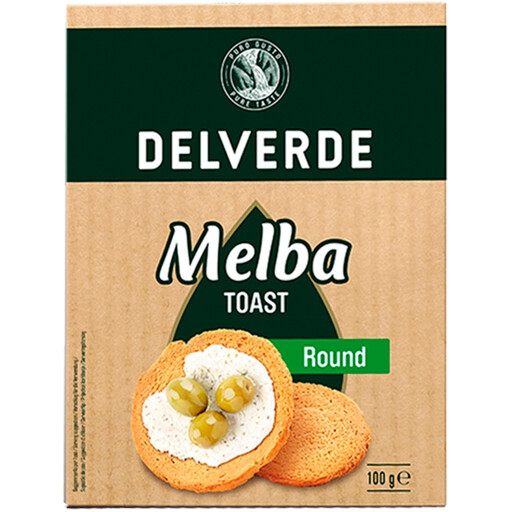 Image unavailable
Round Melba toast to use as a base for a chocolate snack you prepare yourself.
The listed quantity is 100 g. Check that the round shape suits your presentation and read the labels for both products.
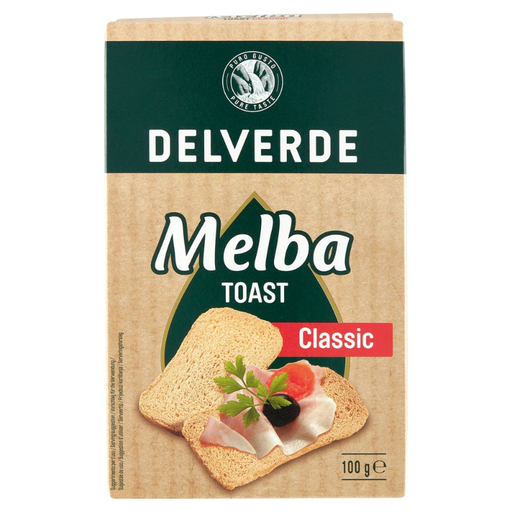 Image unavailable
Classic Melba toast to consider as a base for a homemade chocolate snack.
The listed quantity is 100 g. Adding chocolate is an extra preparation step; check the toast after preparing it before you serve it.
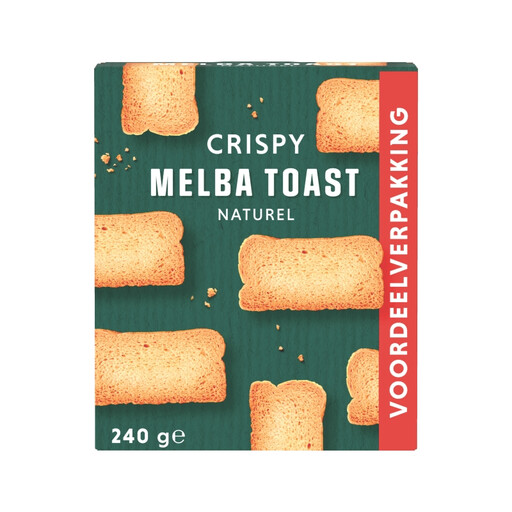 Image unavailable
Melba toast to pair with chocolate yourself, if this variety suits the flavour you’re after.
The listed quantity is 240 g. Before serving this toast to guests, carefully check the current packaging for ingredients and allergens.
 Image unavailable
A rice toast variety to consider if you’d like a different base for adding your own toppings.
The listed quantity is 65 g. Check the current packaging for ingredients, allergens and any nutritional claims; don’t assume it’s suitable for a particular diet based on the name alone.
Don’t assume you can without checking: the toast ranges at Albert Heijn, Jumbo and ALDI feature different varieties, but don’t confirm the availability of ready-made chocolate-coated toast. For a specific product, check its full name and packaging to tell chocolate toast apart from a recipe or another type of treat.
Plain Melba toast or plain toast is a good place to start if you want the chocolate flavour to take centre stage. Van der Meulen and Dutch supermarket ranges list these varieties. Choose a strongly flavoured savoury option only if you’re deliberately looking for that flavour combination.
Before serving, check the current labels for both the toast and the chocolate, including the ingredients and any cross-contamination warnings. The Netherlands Food and Consumer Product Safety Authority explains which allergens must be listed on labels; the product name alone can’t confirm whether a particular combination is suitable.
No. A chocolate letter isn’t a toast product, but it could work if you mainly want to serve something with a recognisable Sinterklaas feel straight away. Lidl lists Sinterklaas chocolate letters as a seasonal product; if you specifically want chocolate toast, making your own is a different option.
No. That rule doesn’t mean that every toast product contains baker’s salt with iodine. The Netherlands Food and Consumer Product Safety Authority explains that iodine compounds are added to baker’s salt for bread, bread substitutes and other bakery products, with a maximum of 65 mg of iodine per kg of salt. Check the current ingredient information for the individual product.