
If you're looking for ready-made chocolate toast
You want to serve a chocolate-coated product with your coffee straight away. Check that the chocolate is actually part of the toast: a listing in a toast category on its own doesn't confirm this.


Choose ready-made chocolate-coated toast only if the product name and ingredients confirm that the chocolate is part of the product. If you want to choose and portion the chocolate yourself, you can use Melba toast or rusk as a separate base; rusk is a different type of product, and the labels for both the base and the topping matter in either case.
You want to serve a chocolate-coated product with your coffee straight away. Check that the chocolate is actually part of the toast: a listing in a toast category on its own doesn't confirm this.
You can pair plain Melba toast, toast or rusk with a separate chocolate topping. This lets you choose the base and the amount of topping separately, but you’ll need to assess both products too.
You’ll need the packaging for the exact variant to check its ingredients, allergens and nutritional values. If you’re adding your own topping, you’ll need to do this for both the base and the chocolate.
First decide whether you want a coated product or plan to add your own topping. If you’re adding your own, choose between toast and rusk, then compare the complete combination.
When to choose it: if you want the chocolate already on the toast, check the product identity on the packaging for the exact product.
What to consider: a toast category name doesn’t confirm that the product has a chocolate coating; the ingredients and allergens of the product you choose are what matter.
When to choose it: if you’d like a small piece of toast and want to choose and portion the chocolate yourself.
What to consider: you add the topping yourself, so the nutritional values and allergens also depend on the topping you choose.
When to choose it: if you prefer rusk’s crisp texture and want to add the topping yourself.
What to consider: rusk isn’t Melba toast. Here too, the properties of the complete combination depend on the chocolate topping you choose.
| What to consider | What to check when buying | Who it matters to |
|---|---|---|
| Product type | Read the full product name and ingredients: is the chocolate a coating, or are you buying a base to top yourself? | I want to serve chocolate-coated toast with my coffee straight away, rather than buying plain toast; product type is the top priority for around 42% of consumers. |
| Ingredients and allergens | Check the label for the exact variant. If you’re adding a separate topping, check the chocolate too, including any warnings about traces. | If I need to avoid an ingredient, I want to know what’s in both parts; composition is the first consideration for around 33% of consumers. |
| Portion and nutritional value | Compare the nutritional information per 100 g and for the portion you plan to serve, including both the base and the topping. | If you’re adding your own topping, you’ll want to control how much chocolate goes on each portion and compare the nutritional value of the whole combination; portion size matters most to around 25% of consumers. |
A category can also include plain toast, Melba toast and savoury varieties. So you still don’t know whether an individual piece of toast has a chocolate coating.
Check the product name and ingredients list. If chocolate isn’t listed as part of the product, choose that toast only if you plan to add your own topping.
If you’re adding your own topping, both the toast or rusk and the chocolate you choose contribute to the ingredients, allergens and nutritional value of what you serve.
Read both packets and compare the combination for the portion you plan to use, rather than looking only at the values per 100 g for the base.
The product type—toast or rusk—doesn’t tell you which salt was used in the exact variant.
If you want to know whether a product contains baker’s salt, check the ingredients list on the packaging.
These examples help you distinguish between toast and rusk as a base; the products mentioned aren’t automatically chocolate-coated.
Melba toast: small pieces of toast you can top individually.
Echte Beschuit is a rusk base for toppings, not chocolate-coated Melba toast.
The toast range includes different product types that shouldn’t be confused when choosing something sweet to enjoy with coffee.
These Joybuy products are Melba toast and rusk for anyone who wants to add their own chocolate topping to enjoy with coffee. They’re not ready-made chocolate-coated toast; assess your chosen topping separately.
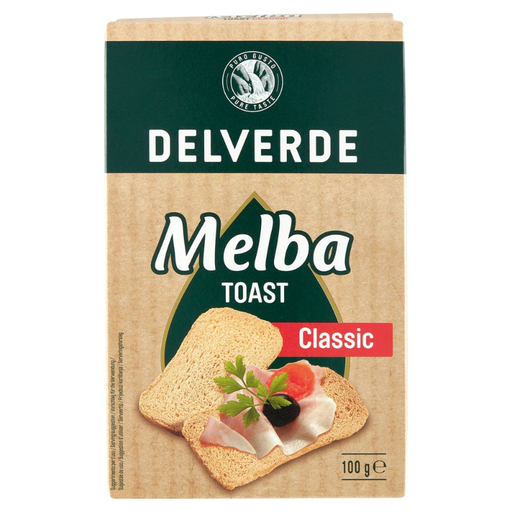 Image unavailable
A Melba toast base for anyone who wants to choose and portion their own chocolate topping. The pack contains 100 g; chocolate topping isn’t included.
The product description mentions a firm, crunchy texture. Check the current packaging for ingredients and allergens, and supervise young children while they eat.
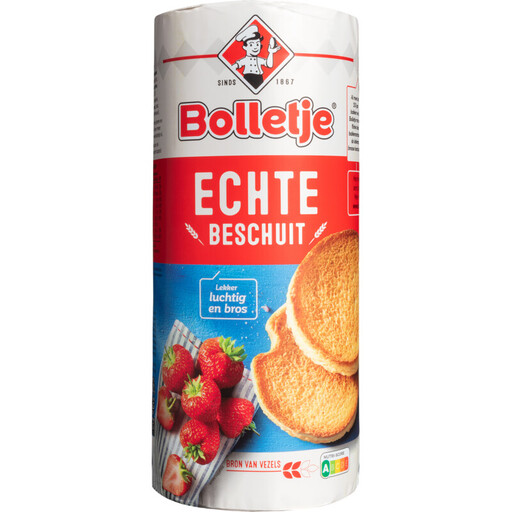 Image unavailable
Rusk for anyone who wants a crisp base and plans to add their own chocolate. The pack contains 13 pieces; this isn’t Melba toast or a ready-made chocolate product.
Check the current ingredients and allergens for both the rusk and your chosen topping before serving them together.
No, allergens vary from one product to another. The Netherlands Food and Consumer Product Safety Authority stresses the importance of allergen information on labels. If you’re adding your own topping, check the packaging for both the toast or rusk and the chocolate.
No, Melba toast and rusk are different types of product. Jumbo lists Van der Meulen Melba Toast as a toast product, while Bolletje Echte Beschuit is rusk. Choose the texture you want to top, then check the exact variant.
No, you can’t tell what salt was used from the name toast or rusk alone. The Commodities Act Decree on the Addition of Micronutrients to Foods defines baker’s salt as iodised table salt for bread and other baked goods; check the ingredients list to see whether it’s used in your product.
Follow the storage and best-before information on the packaging for your chosen variant. Check those instructions again when you buy a different type of toast or rusk, rather than assuming the same storage period applies to every product.