
If you like putting together a sweet breakfast
You want chocolate with your toast, but prefer to choose the toast underneath and decide how much chocolate to use. Albert Heijn describes Jacques Matinettes as thin chocolate discs for bread or toast.


Choose separate toast and chocolate if you want to pick the toast base and decide how much chocolate to use. If you’d rather have ready-made chocolate-coated toast, check the specific product to see what toast and chocolate it contains, then compare the nutritional information and allergens on the packaging.
You want chocolate with your toast, but prefer to choose the toast underneath and decide how much chocolate to use. Albert Heijn describes Jacques Matinettes as thin chocolate discs for bread or toast.
You want to assess the toast base and chocolate separately. Albert Heijn lists 9.7 g of fibre per 100 g for Van der Meulen Melba Toast Wholemeal. Also check the chocolate’s nutritional information and how much you use.
When combining two products, read both labels: the relevant ingredients and allergens may differ between the toast and chocolate. The Netherlands Food and Consumer Product Safety Authority states that pre-packed products must display allergen information on the label.
First decide whether you want ready-made chocolate toast or would rather combine the ingredients yourself. Then compare the toast base, the chocolate used and the labels of the products you actually choose.
| What to consider | What to check when buying | Who it matters to |
|---|---|---|
| Chocolate flavour and quantity | Check whether it’s coated toast or a separate chocolate spread; if you’re buying separate chocolate, check the type and portion size. | If you want a distinct chocolate flavour without being tied to a coating, you may prefer to decide the quantity yourself. This is the main priority for around 40% of consumers. |
| Toast base and nutritional value | Compare similar products per 100 g, including their fibre, sugars, saturated fat and salt; also consider the portion you use. | If choosing between plain and wholemeal toast matters to you at breakfast, you’ll want to know what the base adds to the combination. Around 30% of consumers prioritise this comparison. |
| Ingredients and allergens | For a combination of separate products, read both current labels, including any warnings about possible traces. | If ingredients or allergens determine your choice, you’ll want to make sure you don’t overlook anything in either product. An estimated 30% of consumers put this check first. |
A toast base and a separate chocolate product only make up your breakfast when you combine them; a search result featuring both doesn’t mean the toast is already coated in chocolate.
Check the product name, ingredients list and packaging to see whether the chocolate is part of the toast or added separately.
The cocoa percentage tells you about the chocolate, not the nutritional value of the full combination with toast.
The Netherlands Nutrition Centre recommends comparing similar products per 100 g. Then consider how much toast and chocolate you use.
Allergens may be present in both the toast and the chocolate. The Van der Meulen wholemeal melba toast and Jacques chocolate discs described here have different ingredients and warnings.
Read the current labels of both products, even if you’ve bought them before.
The ingredients in toast depend on the specific product, so don’t rely on the product category alone if the type of salt used matters to your choice.
Check the toast’s ingredients list to see what type of salt is used.
Melba toast as a base for adding your own chocolate.
Separate chocolate for those who want to top their own toast.
Toast options to compare as a separate base.
Toast, melba toast and wheat toast as possible bases for your own toppings.
Rusk as an alternative if you’d prefer a round, crisp base for your toppings.
These products let you choose your toast and chocolate separately: one is a chocolate spread, while the other is melba toast. Neither is chocolate-coated toast on its own.
 Image unavailable
A chocolate spread for anyone who wants to decide how much chocolate to put on their toast. Choose your toast base separately and check the label for allergens and nutritional values.
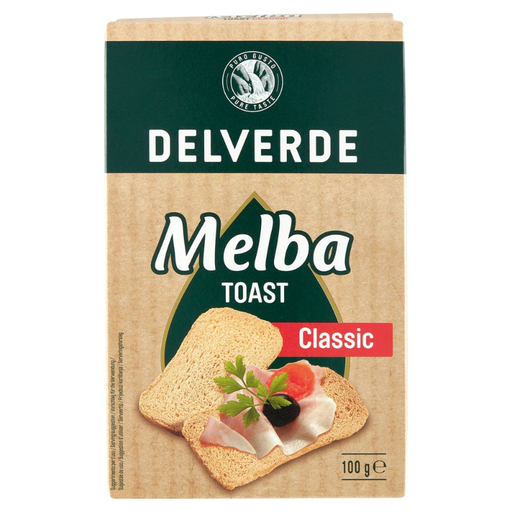 Image unavailable
Melba toast for anyone who wants to add their own chocolate spread to a toast base. Choose the chocolate separately, and check the toast label for ingredients and allergens.
Where possible, compare similar products per 100 g. The Netherlands Nutrition Centre points out that portion sizes can vary between manufacturers; then check how much of each product you actually use.
Check the labels of both the toast and the chocolate you choose. Look for listed allergens and any warnings about possible traces, as these can vary between products.
Follow the storage advice for the specific product. For Jacques Dark Chocolate 60% Matinettes, Albert Heijn recommends storing them in a cool, dry place at 14–18 °C; don’t assume the same advice applies to other chocolate.
Read the ingredients list for the specific toast and check which type of salt is listed. Don’t rely solely on the word toast or where it’s sold.