Who is this choice for?
When choosing a chocolate topping for a TV night, what matters most may be lower sugar, the texture of flakes or a practical pack size.
Sugar-conscious snacker
You might want to add a chocolate topping to yoghurt or fruit, and be most concerned about the sugar content. Chocolate sprinkles with less sugar could be an alternative, as long as the different product format and listed sweeteners suit you.
Flake fan looking to cut down
You want to keep the texture of chocolate flakes, but don’t want to rely on the word ‘dark’. The sugar content per 100 g of the exact variety is a better guide than the flavour name alone.
Shopper planning for several snack occasions
You’re looking for a pack that works for repeated or shared use. You’ll want to consider the pack size without overlooking the nutritional information for the variety you choose.
What should you look for when choosing?
First decide whether reducing sugar matters more to you than keeping the texture of real flakes. Then compare the nutritional information for the specific products. The Voedingscentrum recommends using values per 100 g as a helpful basis for comparing labels.
Chocolate flakes
When: If you specifically want to keep the flake texture in your topping.
Trade-off: The dark varieties reviewed from De Ruijter and Jumbo list 63 g and 63.7 g of sugars per 100 g respectively, so ‘dark’ doesn’t automatically mean less sugar here.
Chocolate sprinkles with less sugar
When: If the sugar content matters more to you than the flake texture.
Trade-off: The Céréal variety listed by Albert Heijn is chocolate sprinkles, not flakes, and contains maltitol. The pack carries a warning that excessive consumption may have a laxative effect.
| What to consider |
What to check |
Who it matters to |
| Sugar content |
Check ‘of which sugars’ per 100 g and make sure you’re comparing flakes with flakes or sprinkles with sprinkles. |
If my main aim is to reduce sugar, nutritional values matter more to me than the shape of the topping. An estimated 42% of consumers put this need first. |
| Flake texture |
Check the exact product format and flavour variety; don’t go by ‘dark’, ‘milk’ or ‘white’ alone. |
I want recognisable chocolate flakes with my snack and don’t want to end up choosing a different kind of topping by mistake. An estimated 33% of consumers put this texture first. |
| Pack size and availability |
Check the amount in the pack and whether you can buy your chosen variety in the way you prefer. |
For several snack occasions, I want to be able to choose a suitable pack size without losing sight of the nutritional information. An estimated 25% of consumers put this practical need first. |
Relevant brands to compare
These brands offer a range of product formats and varieties. Don’t judge an entire brand by the nutritional values on a single pack.
De Ruijter
If you’re after classic chocolate flakes, options include dark and white varieties.
- Albert Heijn lists at least 32% cocoa solids for the dark variety reviewed.
- Albert Heijn lists 63 g of sugars per 100 g for that dark variety and 77 g per 100 g for the white variety reviewed. So compare the specific flavour.
Céréal
An alternative if reducing sugar matters more to you than having flakes.
- Albert Heijn lists 7.7 g of sugars per 100 g for the dark chocolate sprinkles reviewed.
- These are chocolate sprinkles, not flakes. The variety contains maltitol and carries a warning that excessive consumption may have a laxative effect.
Jumbo
The own-brand variety reviewed is a 300 g pack of dark chocolate flakes.
- An option if you’re looking for regular dark flakes in this pack size.
- Jumbo lists 63.7 g of sugars per 100 g for this variety; the product format alone doesn’t mean it contains less sugar.
PLUS
The own-brand variety reviewed consists of dark chocolate flakes in a 300 g pack.
- PLUS lists Fairtrade cocoa for this specific variety.
- PLUS lists 63.8 g of sugars per 100 g and states that the product may contain milk and lactose.
Choca
Cocoa flakes to compare by product format, ingredients and allergens.
- The Choca Flakes reviewed are sold as flakes.
- PLUS lists 71 g of sugars per 100 g for this variety. The ingredient and allergen information mentions wheat and soya; milk may also be present.
Flakes and toppings on Joybuy
These products are flakes or cocoa toppings for anyone looking to add this kind of product to a snack. If reducing sugar is your main priority, compare the nutritional information on the exact pack; the product name alone doesn’t confirm a reduction in sugar.
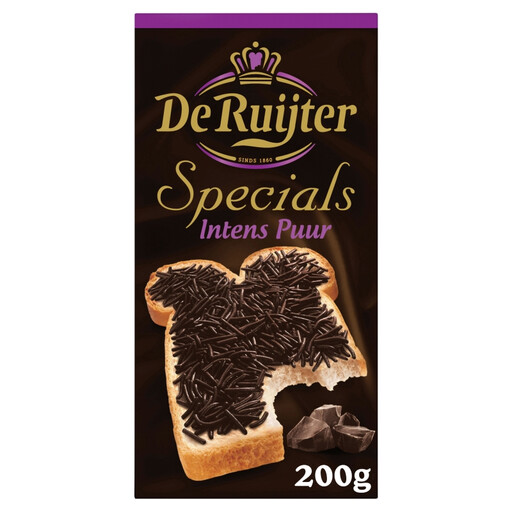 Image unavailable
De Ruijter Intense Dark Chocolate Sprinkles 200 g
For anyone looking to add flakes to yoghurt or porridge as a chocolate topping. Check the sugar content per 100 g on the current label for this Intense variety; the word ‘dark’ doesn’t by itself confirm a reduction in sugar. If you have allergies, check the information about milk and soya too.
View on Joybuy
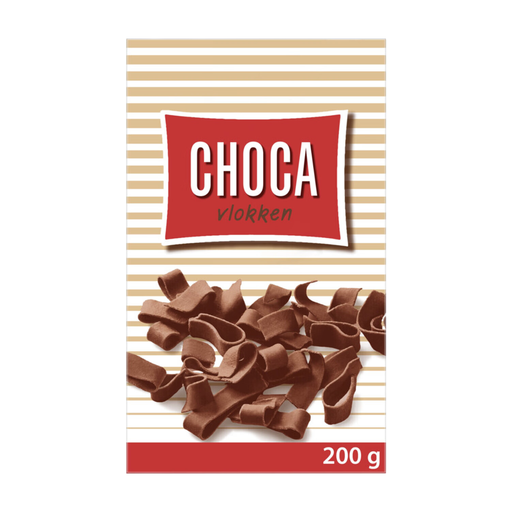 Image unavailable
Choca Flakes 200 g
A cocoa topping for anyone looking to add flakes to bread or yoghurt. Don’t choose this product based on an unverified assumption that it contains less sugar: check the nutritional information on the exact pack. Also check the allergen information for wheat and soya, and whether milk may be present.
View on Joybuy
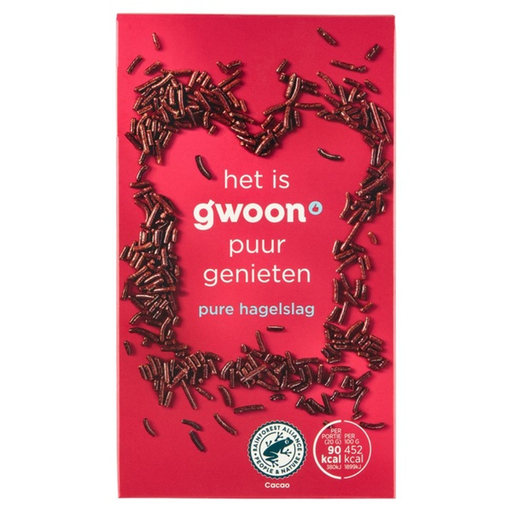 Image unavailable
g'woon Dark Chocolate Sprinkles 400 g
For anyone looking for dark chocolate flakes to top bread or cakes, in a 400 g pack. Check the sugar content per 100 g for this variety before considering it a lower-sugar option. If you have allergies, check the information about milk and possible traces of wheat.
View on Joybuy
 Image unavailable
De Ruijter Dark Chocolate Sprinkles 390 g
For anyone looking to add dark chocolate sprinkles to bread, yoghurt or porridge. Assess the sugar content per 100 g on this pack separately from other De Ruijter varieties; ‘dark’ doesn’t mean less sugar. If you have allergies, check the current information about milk and soya.
View on Joybuy
Frequently asked questions
Are dark chocolate flakes automatically a lower-sugar choice?
No, the word ‘dark’ doesn’t tell you that on its own. Albert Heijn lists 63 g of sugars per 100 g for De Ruijter Dark Chocolate Flakes, while Jumbo lists 63.7 g per 100 g for its dark variety. So check the nutritional information for the variety you’re considering.
Does ‘less sugar’ mean sugar-free?
No. Albert Heijn lists 7.7 g of sugars per 100 g for Céréal Dark Chocolate Sprinkles with Less Sugar; the product also contains maltitol. Check the nutritional information and ingredients separately rather than relying on the wording on the front of the pack.
Why does the warning about maltitol matter?
The label on the Céréal chocolate sprinkles reviewed warns that excessive consumption may have a laxative effect. The Voedingscentrum explains that large amounts of polyols can cause digestive problems. Bear this warning in mind if you’re considering using the sprinkles instead of regular flakes.
How do I compare the sugar content of packs in different sizes?
Compare the ‘of which sugars’ figure per 100 g for the exact products. The Voedingscentrum recommends comparing per 100 g because serving sizes can vary between products; also consider how much you use yourself.
Can I assume that all chocolate flakes contain the same allergens?
No, check the exact variety. According to the product information on Albert Heijn, De Ruijter Dark Chocolate Flakes contain soya and may contain milk. PLUS lists wheat and soya for Choca Flakes, and says that milk may be present. Check the label on your pack before use.


