
Hosts serving plenty of rusks
If you’re putting out one type of chocolate sprinkles for several guests, the net weight matters. Jumbo and ALDI, for example, list 600 g packs.


If you’re serving lots of rusks at teatime, a 600 g pack of chocolate sprinkles is an obvious choice if one flavour will suit everyone. If you’d like to offer a variety of toppings, a smaller mix may be more practical. If any guests need to be mindful of ingredients or allergens, always check the label on the exact product.
If you’re putting out one type of chocolate sprinkles for several guests, the net weight matters. Jumbo and ALDI, for example, list 600 g packs.
If everyone doesn’t want the same topping, you could consider a mix or more than one variety. As well as milk and dark chocolate sprinkles, there are products with flakes and other flavour combinations.
If milk, soya or wheat matters for one of your guests, choose based on the label on the pack you’re buying. The allergens listed vary between the products reviewed.
First, work out how many rusks you want to top and whether one topping will be enough. Then compare the flavours and check the ingredients of the product you plan to serve.
| What to consider | What should you check? | Who is this most important for? |
|---|---|---|
| Quantity | Compare the net weight, such as 600 g versus 390–400 g, with the number of guests and how much you expect to use. | If I’m serving lots of rusks, I want to put out enough of one flavour without having to open a second pack straight away. Around 40% of consumers put having enough on hand first. |
| Flavour variety | Consider whether one milk or dark chocolate variety will be enough, or whether a mix better suits the flavours you want to offer. | If guests want different toppings, I’d rather offer a choice than buy one large pack. Around 30% of consumers put flavour choice first. |
| Ingredients and allergens | Check the ingredients, highlighted allergens and any warnings such as ‘may contain’ for the exact product. | If a guest needs to avoid certain ingredients, I don’t want to rely on the word ‘dark’ in the flavour name. Around 20% of consumers give checking ingredients top priority. |
| Smaller portions | Check the number of portions and the total weight if you don’t want to put out a lot of chocolate sprinkles at once. | For a small group, I want to offer different toppings without opening several large packs. Around 10% of consumers put portion convenience first. |
The De Ruijter dark chocolate sprinkles listed by Albert Heijn contain milk and soya. The flavour name alone doesn’t tell you which allergens are in the product.
Check the ingredients and allergen information on the current pack before serving the chocolate sprinkles to your guests.
Jumbo lists milk, soya, wheat and cereals containing gluten for Venz Kwinkslag. So it’s just as important to check the exact label on a mix.
Check which ingredients matter to each guest, then look for them on the pack of the variety you’ve chosen.
Brood.net’s information about iodised baker’s salt relates to bakery products. You can’t use it to work out the ingredients or nutritional value of a pack of chocolate sprinkles.
For chocolate sprinkles, refer to the ingredients list and nutritional information on the product label.
An option if you’re looking for dark chocolate sprinkles or smaller portions with a choice of toppings.
A brand to consider if you want to offer a particular chocolate or mixed variety.
A supermarket own-brand option if you’re looking for one larger pack of milk or dark chocolate sprinkles for the table.
The ALDI brand offers a larger pack if you want to serve milk or dark chocolate sprinkles.
A Lidl option if you’re looking for a larger pack of dark chocolate sprinkles in store.
These products offer a range of quantities and flavours for rusks at teatime, from a 600 g pack of chocolate sprinkles to smaller mixes and flakes. Choose the quantity you want and, if allergens are a concern, check the label on the variety you select.
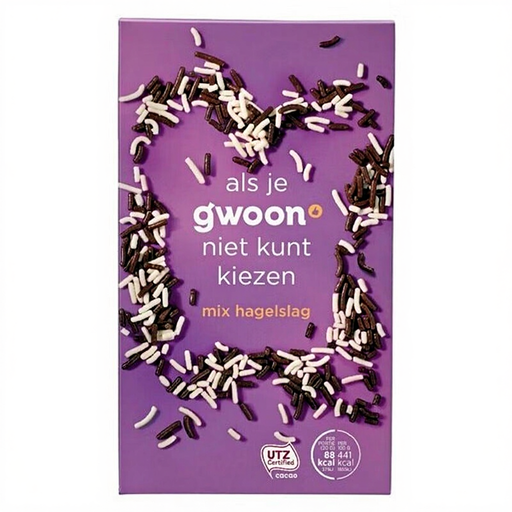 Image unavailable
A larger pack if you want to serve the same milk chocolate sprinkles on several rusks.
The product information lists milk and wheat. Check the current pack if allergens are a concern.
 Image unavailable
A smaller pack for anyone who wants to put a mix of dark chocolate and white sprinkles on the table.
The product description gives a split of 50% dark and 50% white and lists milk and wheat as allergens. Check the current pack.
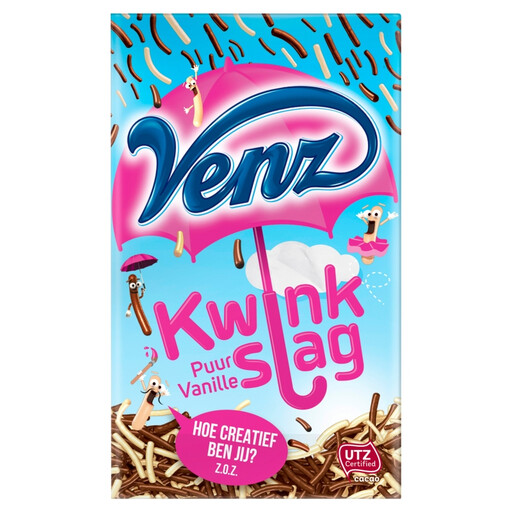 Image unavailable
For anyone who wants to offer both chocolate and vanilla flavours at teatime rather than just one.
This pack contains 400 g. The product information lists milk, soya and wheat. Check the current label.
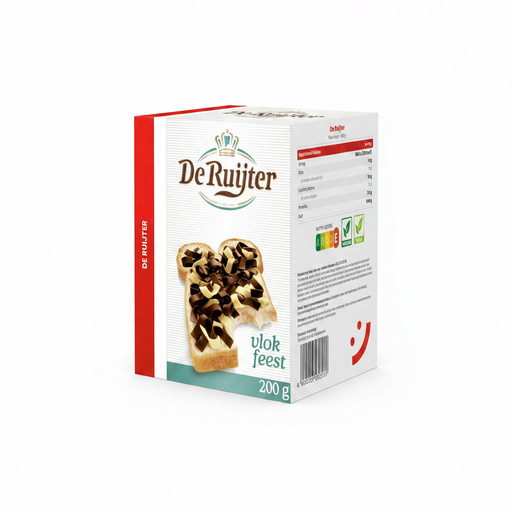 Image unavailable
A mix of chocolate and vanilla flakes if variety matters more to you than having a large supply of one topping.
At 200 g, this is a smaller pack. The product information lists wheat and soya and says the product may contain milk. Check the current label.
 Image unavailable
For teatime when you want to serve dark chocolate sprinkles but don’t need a 600 g pack.
Albert Heijn lists milk and soya for this variety and warns that the product may contain lactose. Check the current pack.
No. The weight doesn’t tell you what the pack is called or what shape it is. Jumbo, ALDI and Lidl list 600 g products. If you’re buying for a group, check the net weight and product description.
Read the ingredients and allergen information on the exact product’s packaging. The Netherlands Food and Consumer Product Safety Authority explains that allergens which must be declared need to be clearly distinguished in the ingredients list. The listed ingredients vary between chocolate sprinkle varieties.
No. Information about baker’s salt won’t tell you which ingredients are in a pack of chocolate sprinkles. Brood.net’s information relates to bakery products. For chocolate sprinkles, check the product’s own ingredients list and nutritional information.
It varies by product and portion size. The Netherlands Nutrition Centre gives 9.4 g of sugars for 15 g of chocolate sprinkles as a general guide. Use the nutritional information per 100 g on your pack and the amount you serve to assess your chosen product.
Follow the storage instructions on the pack you’ve bought. Also check the use-by or best-before date and any instructions that apply specifically after opening.