What should you consider when choosing rusks for a class treat?
Start by checking the school’s rules, then decide how many rusks and how much sprinkles you want to give each child. Only then can you work out which pack size is right for the class.
| What to consider |
What to check when buying |
Most relevant to |
| School rules and allergens |
Ask about the school’s treat policy and check the latest allergen information for both products. |
When I’m preparing treats for the class, I want to avoid giving a child something that doesn’t meet the school’s rules or their allergy requirements. This is the first thing around 36% of consumers consider. |
| Small portions |
Decide in advance how much sprinkles to put on each rusk; the Netherlands Nutrition Centre recommends small portions for children’s treats. |
I want to be able to give each child a small portion without having to keep guessing how much to add as I hand them out. Around 29% of consumers prioritise portion size. |
| How much you need |
Count the rusks and compare the pack size with the amount you expect to use. |
For a larger group, I want to buy enough sprinkles without ending up with lots left over. Around 21% of consumers put the quantity they need first. |
| Storage and leftovers |
Check the storage instructions and keep any opened rusks dry and in an airtight container. |
When I’m preparing the treat, I want the rusks to still be crisp when they’re handed out. This is the main priority for around 14% of consumers. |
Sprinkles and toppings for this treat
These 380–400 g packs are options if you’re looking for sprinkles or a chocolate topping for rusks. First, work out how much you need for the class; De Ruijter chocolate chunks are a different product type from fine sprinkles.
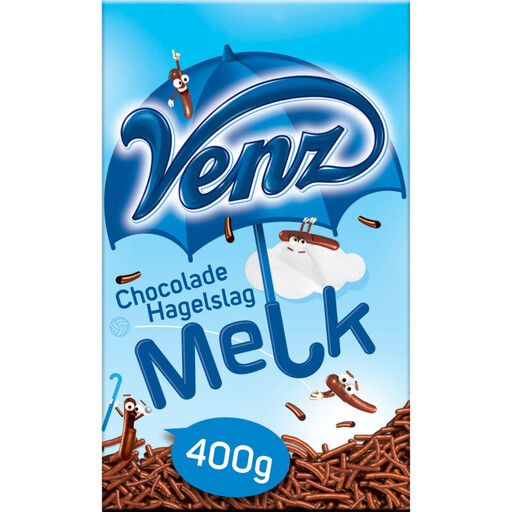 Image unavailable
Venz milk chocolate sprinkles 400 g
An option for several rusks if 400 g suits the amount you plan to sprinkle. Before preparing the treats, check the allergen information for these sprinkles and the rusks.
View at Joybuy
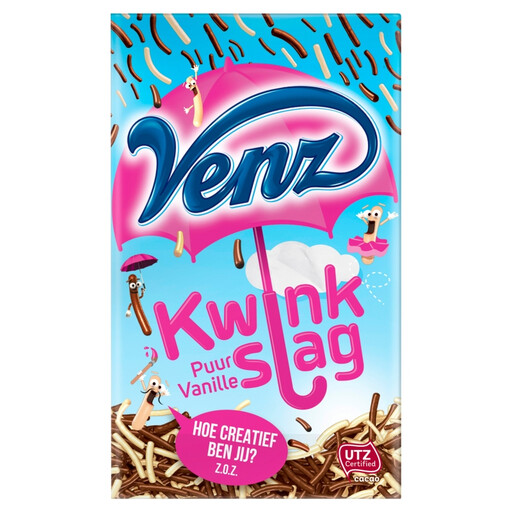 Image unavailable
Venz chocolate sprinkles and vanilla-flavoured sprinkles 400 g
A 400 g pack for anyone who wants to use the chocolate and vanilla varieties mentioned. Choose an amount per rusk that suits the class, and check the allergen information on both product labels.
View at Joybuy
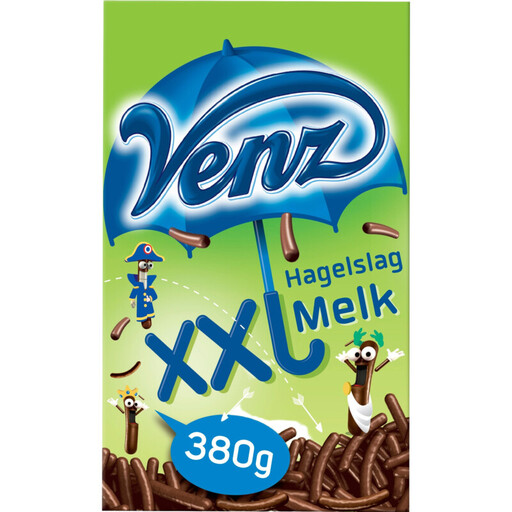 Image unavailable
Venz milk chocolate sprinkles 380 g
A 380 g pack to compare with the number of rusks you’re planning to prepare. Choose a small amount to sprinkle on each one, and check the latest allergen information for both the sprinkles and the rusks.
View at Joybuy
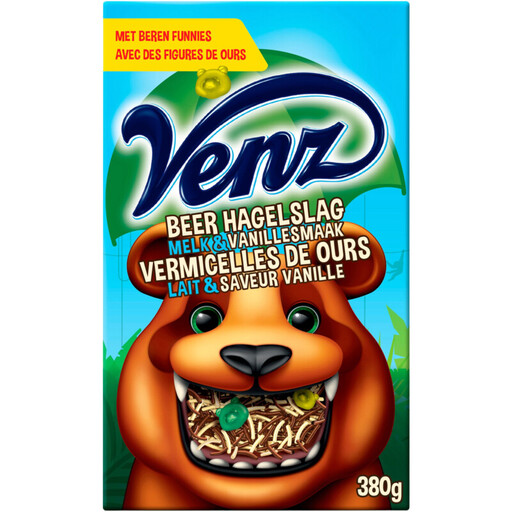 Image unavailable
Venz milk and vanilla sprinkles 380 g
A 380 g pack to consider if you’re thinking of using this milk and vanilla variety for the treat. Check the product type and allergen information on the label before preparing the rusks.
View at Joybuy
 Image unavailable
De Ruijter chocolate chunks 390 g
A 390 g pack if you’d like to use chocolate chunks as a topping instead of fine sprinkles. Check that this product type suits your treat, and check the allergen information for both products.
View at Joybuy
Frequently asked questions
Should I ask about allergies before preparing a rusk treat?
Yes, ask the school what allergy and dietary requirements apply to the class. The Netherlands Nutrition Centre recommends doing this for treats for children. Then check the latest labels for both the rusks and the sprinkles.
Does every variety of sprinkles contain gluten?
You can’t assume that every variety does. Check the label on the sprinkles and assess the rusks separately: the Netherlands Food and Consumer Product Safety Authority says any allergens present in prepacked products must be listed on the label.
How do I work out how much sprinkles to give each child?
Choose a small amount to sprinkle on each rusk in advance and use it to calculate how much you’ll need for the class. The Netherlands Nutrition Centre recommends small portions for treats for children; a serving suggestion on a pack of sprinkles isn’t automatically the right portion size for a treat.
How should I store rusks for the treat?
Store opened rusks in a cool, dry, dark place in an airtight container, as recommended by the Netherlands Nutrition Centre. If keeping them crisp is important, add the topping as late as possible and don’t use rusks that have gone soft or stale.
Can I assume that all rusks contain iodine-enriched baker’s salt?
No, don’t assume a particular rusk contains an ingredient just because of a general rule about baker’s salt. If iodine-enriched baker’s salt is important to your choice, check the product information for the rusks you’re buying.


