What should you look for when choosing?
First decide whether the chocolate sprinkles are mainly for special occasions or regular use. Then choose your rusk base and check the relevant nutritional information and allergens on both packs.
| What to consider |
What should you check? |
Who is this important for? |
| Cocoa for special occasions |
Compare the stated cocoa content and serving size of the exact chocolate sprinkles variant. |
For a brunch, I want to see what sets the chosen chocolate sprinkles apart, rather than relying on the name alone. This would be the top purchasing priority for around 29% of consumers. |
| Pack size |
Check the net weight and consider how often your family uses chocolate sprinkles. |
If rusks with chocolate sprinkles are eaten often, I want to buy enough without leaving an open pack unused for too long. Around 36% of consumers would put planning their supplies first. |
| Nutritional information and allergens |
Check the ingredients and allergens in both products; compare fibre per 100 g of rusks and sugars per serving of chocolate sprinkles. |
If I’m keeping an eye on fibre or need to account for an allergen, the whole combination needs to suit my household. This would be the main priority for around 21% of consumers. |
| Flavour variety |
Consider which chocolate sprinkles variants you actually want to use and how much each pack contains. |
If family members prefer different flavours, I want a bit of variety without ending up with lots of open packs. Around 14% of consumers would put this consideration first. |
Products for chocolate sprinkles and rusks
These products include chocolate sprinkles for special occasions or regular family breakfasts, plus one wholemeal rusk option to use as a separate base. Choose rusks and topping as two separate products, and check the pack size and label for each variant.
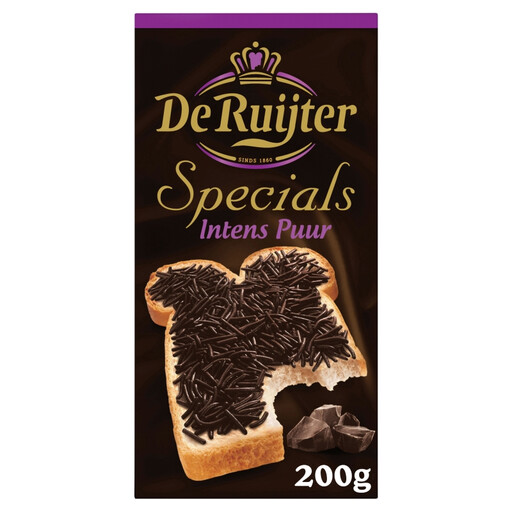 Image unavailable
De Ruijter Intense Pure Chocolate Sprinkles, 200 g
Dark chocolate sprinkles to consider as a topping for a special family breakfast. The pack contains 200 g; check whether that’s enough for the occasion you have planned, and read the label if allergens are a concern.
View at Joybuy
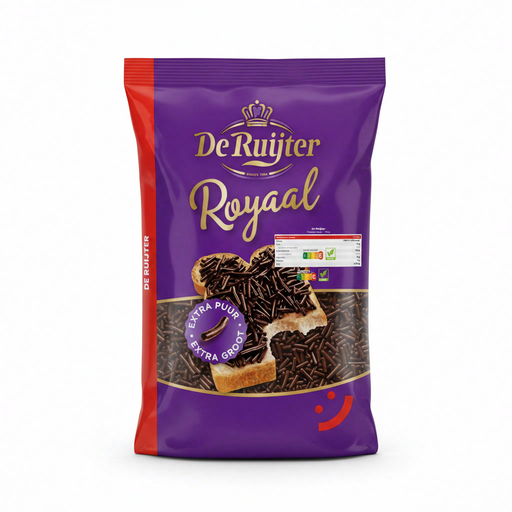 Image unavailable
De Ruijter Chocolate Chunks, 390 g
A chocolate topping to consider when you want a larger pack for a family occasion. This variant contains 390 g; check the ingredients and allergens on the pack.
View at Joybuy
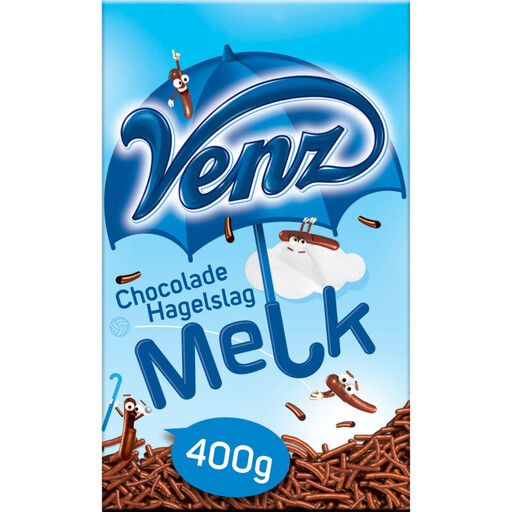 Image unavailable
Venz Milk Chocolate Sprinkles, 400 g
Milk chocolate sprinkles for a household that uses this kind of topping regularly. The pack contains 400 g; check the allergens on the label, particularly if wheat is relevant to your household.
View at Joybuy
 Image unavailable
Bolletje Wholemeal Rusks, 13 pieces
A wholemeal base for anyone comparing the fibre content of the rusks under their chocolate sprinkles; choose the topping separately. Albert Heijn states that this variant contains 11 g of fibre per 100 g and lists wheat and egg as allergens. Check the pack if the type of salt used is also important to your choice.
View at Joybuy
 Image unavailable
Venz Chocolate Sprinkles and Sprinkles with Vanilla Flavour, 400 g
An option for families who want to try both chocolate and vanilla flavours. The pack contains 400 g; check the pack to see how the variants are made and which allergens are listed.
View at Joybuy
Frequently asked questions
How do I choose rusks and chocolate sprinkles for a special family brunch?
Choose the chocolate sprinkles and rusks separately: check the stated cocoa content, pack size and allergens for the sprinkles, then choose a rusk base that suits your family. Albert Heijn, for example, states that De Ruijter Royaal contains at least 43% cocoa solids; this applies to that variant and not automatically to other chocolate sprinkles.
Does choosing wholemeal rusks automatically make the combination with chocolate sprinkles healthier?
No. The wholemeal description alone doesn’t tell you whether the combination as a whole is healthy. Albert Heijn states that Bolletje Wholemeal Rusks contain 11 g of fibre per 100 g, while the Netherlands Nutrition Centre gives an average of 9.4 g of sugars for a 15 g serving of chocolate sprinkles. Check the nutritional information for the products and the portion you actually use.
Do rusks in the Netherlands always contain iodine-enriched baker’s salt?
No, don’t assume this is the case for a particular rusk variant. According to brood.net, using iodine-enriched baker’s salt is not a legal requirement for every bakery product. Check the ingredients list or ask the manufacturer which salt is used in the rusks you’ve chosen.
What should I check when ordering rusks and chocolate sprinkles online?
Make sure you’ve chosen the exact variants you want, then check the product information for pack size, allergens and storage instructions. When your order arrives, also check the best-before date and the instructions on both packs. For Bolletje Wholemeal Rusks, Joybuy advises storing them in a cool, dry place in a tightly sealed pack.


