
Smaller households making Advent treats
If you’re making only a limited number of treats, consider how many rusks you need and whether you’ll use any leftover topping later. Also check the pack’s best-before date.


For a small number of Advent treats, buying rusks and a separate topping lets you decide how much to use each time. Compare the number of rusks, the amount of topping and what you plan to do with any leftovers. If you choose a product sold as rusks with chocolate sprinkles, check the portions, ingredients and shelf life on the current label; the term ‘half loaf’ doesn’t tell you how many rusks you’ll get.
If you’re making only a limited number of treats, consider how many rusks you need and whether you’ll use any leftover topping later. Also check the pack’s best-before date.
Buying rusks and a separate topping lets you decide how much to use each time you serve them. The trade-off is that you’ll need to open and store two packs.
The ingredients in rusks and toppings vary by product. Check the current allergen information for both, even if you’re already familiar with the brand.
Choose this if: you want to decide how much rusk and topping to use for each Advent treat, and have a use in mind for any leftovers.
Bear in mind: you’ll need to check the ingredients, allergens and storage instructions on two separate packs.
Choose this if: the contents and portions shown on the current label suit the number of treats you’re making.
Bear in mind: the product name alone tells you nothing about the quantity, ingredients or shelf life.
| What to consider | What to check when buying | Who should pay particular attention? |
|---|---|---|
| Quantity and leftovers | Compare the number of rusks with your calendar plans, and check the amount and shelf life of the topping. | If I’m making only a few treats, I want to know what will be left over and whether I’ll use it. This is the main consideration for around 40% of consumers. |
| Preparation | For a product containing rusks and chocolate sprinkles, check the contents and portions on the label; if you buy the products separately, you’ll need to prepare both components yourself. | If you have little time to put together individual portions, convenience may matter more. Preparation time is the main concern for around 30% of consumers. |
| Nutritional value | Compare fibre, sugars and other relevant values per 100 g or per equal-sized portion, for both the rusks and the topping. | If I want to compare the nutritional content of my treat, I need to consider the rusk and the amount of topping together. Nutritional value is a priority for around 20% of consumers. |
| Ingredients and allergens | Check the ingredients, highlighted allergens and any cross-contamination warnings for the exact rusks and topping you’re buying. | If you need to avoid certain ingredients, you’ll want to check both packs before putting anything together. Label checks are the most important deciding factor for around 10% of consumers. |
The term doesn’t give you a useful number of rusks for your Advent calendar. A pack of 10 is a specific product quantity, not a standard size for rusks.
Compare the actual number of pieces and weight with your plans, and think about what you’ll do with any leftovers.
The rusk base may also contain allergens. Bolletje lists wheat, rye and egg among the ingredients in its Echte Beschuit; check the topping separately.
Before buying, read the current ingredients and allergen information for both products you’ve chosen.
Rusks can go soft or lose their flavour once opened. This matters particularly if you’re serving the treats over several days of Advent.
Store unused rusks in a tightly sealed container and follow the storage instructions on the pack. If possible, assemble the treats shortly before serving.
The Netherlands Food and Consumer Product Safety Authority sets out rules on the use of iodine compounds through baker’s salt in bread, bread substitutes and other bakery products. This doesn’t mean that a particular rusk contains baker’s salt.
If you have a question about the iodine content of a specific product, check the label or ask the manufacturer about the ingredients in the variant you’ve chosen.
Bolletje is worth considering as a rusk base if you’re putting the treats together yourself.
De Ruijter offers separate toppings; when choosing, note the difference between chocolate sprinkles and flakes.
Venz is a brand to consider if you’re looking for chocolate sprinkles sold separately.
These products are suitable if you’re putting together your own Advent treats: two types of rusks for the base, two packs of flakes and one pack of chocolate sprinkles as a separate topping. Match the number of pieces or the weight to your plans, and check the current labels of the products you’re combining.
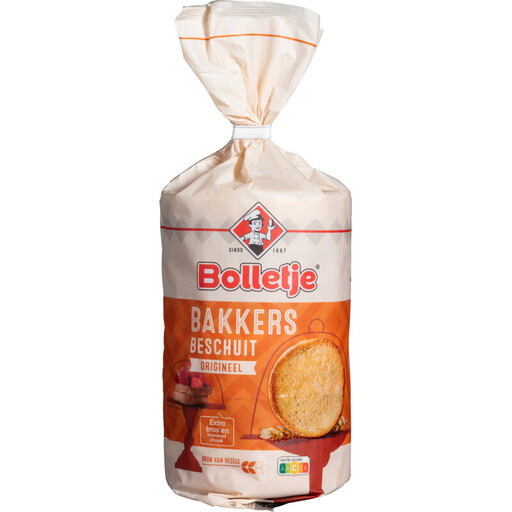 No image available
A separate rusk base for adding your own topping to each Advent treat. The pack contains 10 pieces; before choosing, also check the best-before date and allergens on the current label.
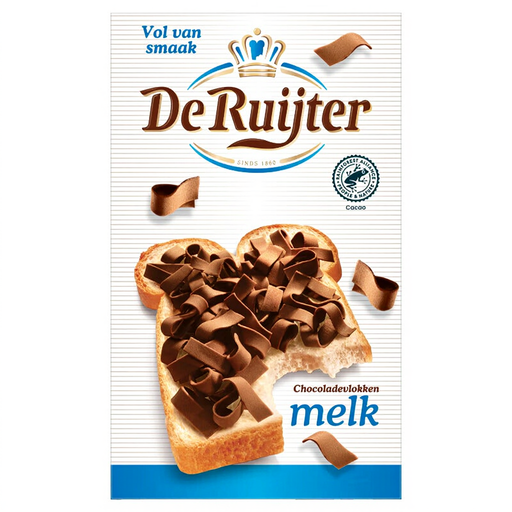 No image available
Separate flakes for anyone who wants to decide how much topping to use; these aren’t chocolate sprinkles. The pack contains 200 g. Compare this amount with your planned use, and check the current label for allergens and storage instructions.
 No image available
A wholemeal rusk base to top separately. The pack contains 13 pieces: compare this with the number of treats you plan to make, and check the current best-before date and allergen information.
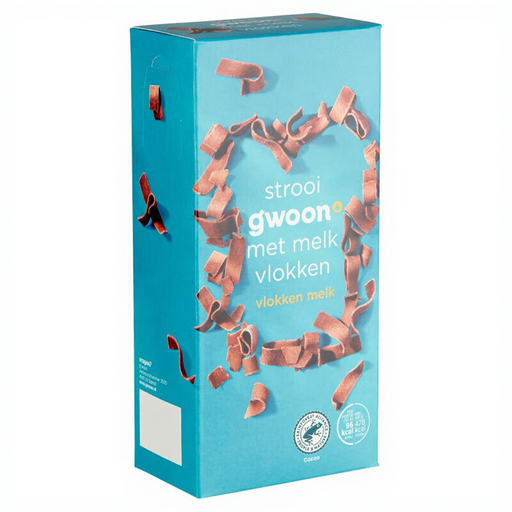 No image available
A separate flake topping for making up your own portions; these aren’t chocolate sprinkles. The pack contains 300 g. Consider whether you’ll use this amount after making your Advent treats, and check the current label.
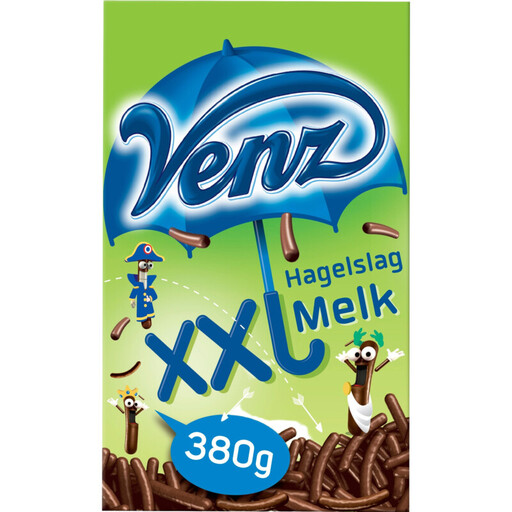 No image available
Separate chocolate sprinkles for anyone who wants to add their own to each treat. The pack contains 380 g; consider how much will be left after your calendar plans, and check the current label for allergens and storage instructions.
No, you can’t draw that conclusion for every product. According to the Netherlands Food and Consumer Product Safety Authority, iodine compounds may be present in bread, bread substitutes and other bakery products only through baker’s salt, with a maximum of 65 mg of iodine per kg of salt. For a specific rusk, check the ingredients on the label or ask the manufacturer.
Check the current labels for both the rusks and the topping you’ve chosen, including any cross-contamination warnings. For example, Bolletje lists wheat, rye and egg among the ingredients in Echte Beschuit, while Jumbo lists milk, soya and lactose in De Ruijter Milk Chocolate Sprinkles, 390 g. Other variants may differ.
Store opened rusks in a tightly sealed container in a cool, dry, dark place. The Netherlands Nutrition Centre recommends keeping opened rusks in a kitchen cupboard for up to one month; also watch for signs of deterioration, such as a soft texture or musty smell.
No. According to the Netherlands Nutrition Centre, a best-before date relates to quality: after this date, check the product’s appearance and smell, then taste it. A use-by date relates to safety and requires a different approach, so first check which date is shown on your pack.