
Parents of children who are sensitive to texture
If crispness, visible seeds or unfamiliar toppings quickly cause resistance, it helps to start with a familiar base. The Netherlands Nutrition Centre advises against forcing a child to eat.


For a fussy eater, start with a rusk whose texture they already accept. Seeds aren’t essential and may create an extra hurdle. Then compare plain, wholemeal and multiseed options by their ingredients and labels, and use chocolate sprinkles as an occasional topping rather than a staple for everyday meals.
If crispness, visible seeds or unfamiliar toppings quickly cause resistance, it helps to start with a familiar base. The Netherlands Nutrition Centre advises against forcing a child to eat.
For anyone who wants to serve chocolate sprinkles occasionally, while also considering the rusk or bread base and choosing different toppings at other mealtimes.
For anyone who wants to take the ingredients into account without overlooking the taste, texture and allergen information for the product they choose.
Start with a texture the eater accepts. Then compare the rusk base and topping against the points that matter for that mealtime.
| What to consider | What to check when buying | Who it matters to |
|---|---|---|
| Familiar texture | Compare plain, wholemeal and multiseed options for visible seeds and the bite you’re looking for. Introduce a new texture without putting pressure on the eater. | If a child rejects seeds or a different bite, I want to start with a rusk that feels familiar. Texture comes first for around 42% of consumers. |
| Base and topping | Check whether the rusk is wholemeal and compare the nutritional information for the topping, including sugars and saturated fats. | When chocolate sprinkles are on the menu, I also want to consider the ingredients in the base and vary the toppings. This is the top priority for around 33% of consumers. |
| Label and ingredients | Read the allergen information for both the rusks and the chocolate sprinkles. Check whether baker’s salt is listed if this is relevant to your choice. | If there’s a diagnosed allergy, I want to be able to check the exact packaging; if I’m keeping an eye on iodine, I want to know whether baker’s salt has been used. This label check matters most to around 25% of consumers. |
Seeds change both the ingredients and the bite. For a child who is very sensitive to texture, they may give them another reason to reject the rusk.
Choose multiseed options if that texture is already accepted. Otherwise, start with a familiar variety and offer a small piece of the new rusk without pressure.
A wholemeal base changes the ingredients in the rusk, but not those in the chocolate sprinkles. According to the Netherlands Nutrition Centre, chocolate sprinkles are high in sugars and saturated fats.
Assess the base and topping separately, and alternate chocolate sprinkles with other toppings.
According to the Netherlands Nutrition Centre, bread does not have to be baked with baker’s salt. So even with a wholemeal or organic product, don’t rely on the product name alone if baker’s salt matters to your choice.
Check the ingredients list for the bread or rusk you choose, or ask the baker which salt they use.
Rusks and chocolate sprinkles can contain different allergens. The product examples reviewed mention wheat, egg, sesame, milk and soya, among others; this information does not automatically apply to other varieties.
If you have an allergy or follow a medically required diet, check the current ingredients and allergen information for both exact products before buying and eating them.
These examples can help you compare rusks and chocolate sprinkles. The features of one variety do not automatically apply to the entire brand.
Makes chocolate sprinkles, including the Specials Intens Puur variety reviewed.
Offers several varieties of chocolate sprinkles, including dark chocolate sprinkles.
The rusk range shown includes plain, wholemeal and multiseed varieties.
The plain rusks reviewed offer a base without a multiseed label, ready for your choice of topping.
The Mister CHOC dark chocolate sprinkles shown come in a 600 g pack.
The range shown includes Kiekeboe dark chocolate sprinkles and rusk varieties such as plain and wholemeal.
These products offer different bases to compare against the texture you’re looking for. Choose chocolate sprinkles separately, and check the current packaging of each product for its ingredients and allergens.
 Image unavailable
A wholemeal base to consider if the eater accepts this crisp texture. If you have an allergy, read the current label and check the ingredients for baker’s salt if it’s relevant to your choice.
 Image unavailable
Consider this variety if a firmer wholemeal texture is accepted; don’t force a switch. Check the packaging for ingredients, allergens and any mention of baker’s salt.
 Image unavailable
Consider this option if seeds and a firmer bite are already accepted, rather than as a way to force acceptance. Read the current allergen information before eating, and check for baker’s salt if needed.
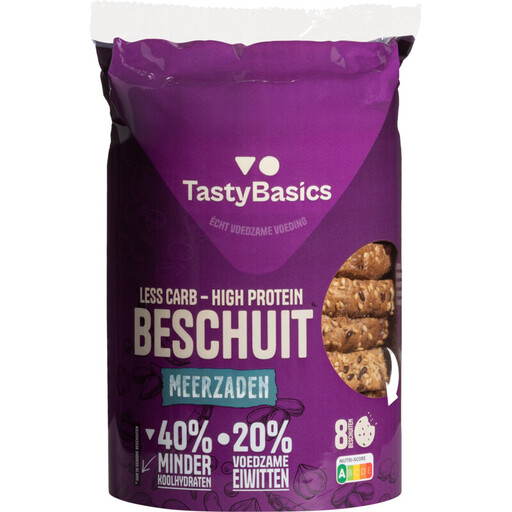 Image unavailable
Only consider this if a seeded product suits the texture you’re looking for. Before buying, check the packaging to see whether it’s a rusk or crispbread, and read the ingredients and allergen information.
No. Multiseed rusks are only a suitable option if the eater accepts the seeds and the bite. Start with a familiar texture and offer a small portion of a new variety without pressuring them to eat it, as advised by the Netherlands Nutrition Centre for fussy eating.
No. Wholemeal rusks and chocolate sprinkles are separate choices: according to the Netherlands Nutrition Centre, chocolate sprinkles are high in sugars and saturated fats. Use them as an occasional topping and vary what you serve.
No. According to the Netherlands Nutrition Centre, bread does not have to be baked with baker’s salt; don’t assume rusks contain it based on the product name alone either. Check the ingredients list or ask the baker if this matters to your choice.
Check the current labels for both the rusks and the chocolate sprinkles you choose. The product examples reviewed mention wheat, egg and sesame in rusks, and milk and soya in chocolate sprinkles, among other allergens; ingredients can vary by variety.