
Shopping for several occasions
You want to serve chocolate sprinkles at Easter brunch and perhaps at breakfasts later on, too. Compare pack sizes within the same variety and choose an amount you’ll actually use up.


Use chocolate sprinkles for Easter breakfast or as a dessert topping, not as a substitute for Easter eggs in an egg hunt. A large pack makes sense if you use the same type regularly and will finish it; for a splash of colour on your Easter table, consider fruit sprinkles. Whatever you choose, check the ingredients, allergens and nutritional information on the packaging.
You want to serve chocolate sprinkles at Easter brunch and perhaps at breakfasts later on, too. Compare pack sizes within the same variety and choose an amount you’ll actually use up.
You’re looking for something to sprinkle over bread, a cupcake or a dessert. Colour or sprinkle size may influence your choice: ALDI, for example, offers Kiekeboe fruit sprinkles and an XXL chocolate variety with larger sprinkles.
If you’re sharing food, it’s important to check the ingredients and allergens in the variety you choose. Albert Heijn, for example, lists soya and milk fat in De Ruijter dark chocolate sprinkles. Check the label on the pack you’re serving.
First decide whether you want chocolate or fruit sprinkles. Then think about how much you need and check the information on the packaging.
| What to consider | What to check before buying | Who it matters to |
|---|---|---|
| Pack size | Compare the net weight of the same type of sprinkles and think about how much you’ll use. | If you want to serve the same sprinkles at several breakfasts, look for a pack you can finish. A suitable pack size is the top priority for around 36% of consumers. |
| Ingredients and allergens | Read the ingredients, allergens and any warnings on the current packaging. | If you’re sharing sprinkles with guests, you’ll want to know whether the variety you’ve chosen is suitable for them. Checking ingredients and allergens comes first for around 29% of consumers. |
| Appearance and use | Choose between chocolate sprinkles, fruit sprinkles and a variety with larger sprinkles. | For a cupcake or dessert, you may want a topping that stands out, even if it tastes different from chocolate sprinkles. This is the most important factor for around 21% of consumers. |
| Nutritional information and portion size | Compare sugars and fats per 100 g and consider how much you want to sprinkle over each portion. | If you’re considering a lower-sugar variety, compare the full nutritional information with the portion you plan to serve. This is the deciding factor for around 14% of consumers. |
Chocolate sprinkles are a bread topping or an edible decoration; they’re not a substitute for Easter eggs to hide.
Add Easter eggs for the hunt and chocolate sprinkles for breakfast or dessert to your shopping list separately.
A 600 g pack isn’t automatically a better choice for a one-off brunch than a smaller pack.
Choose the type you want first, then estimate how much you’ll use over Easter and afterwards.
Albert Heijn lists soya lecithin and milk fat in De Ruijter dark chocolate sprinkles. So the word ‘dark’ doesn’t tell you enough about allergens.
Before serving chocolate sprinkles to guests, check the ingredients and any warnings on the current packaging.
A claim about sugars doesn’t tell you the full nutritional value or how much you’re serving.
Compare the nutritional information per 100 g and decide separately how much you want to use per portion.
Jumbo offers its own-brand chocolate sprinkles in milk, dark and duo varieties, in 600 g packs.
ALDI offers colourful 400 g packs of Kiekeboe fruit sprinkles, as well as XXL chocolate sprinkles with larger pieces.
De Ruijter offers dark and milk chocolate sprinkles, among other varieties. Jumbo lists a 390 g pack of the dark variety.
Venz offers milk and dark chocolate sprinkles; Jumbo lists a 400 g pack of the dark variety.
Albert Heijn offers AH dark chocolate sprinkles and a separate AH lower-sugar dark chocolate variety.
These Joybuy products are varieties of chocolate sprinkles for bread or as an edible addition to Easter brunch. First choose the type and pack size you want; you’ll need separate Easter eggs for the egg hunt itself.
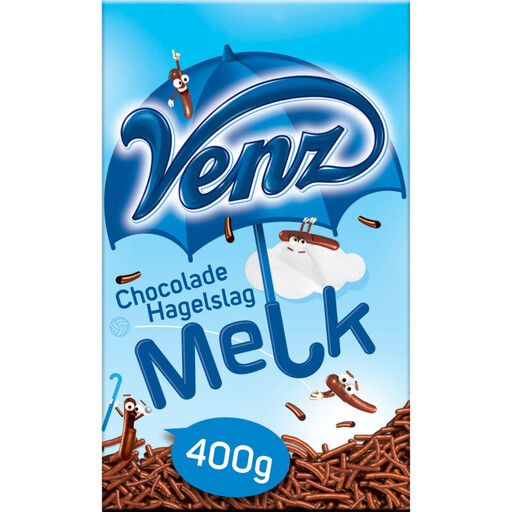 Image unavailable
For anyone who wants to serve milk chocolate sprinkles at Easter breakfast. The pack contains 400 g; if you’re sharing, check the allergens on the label.
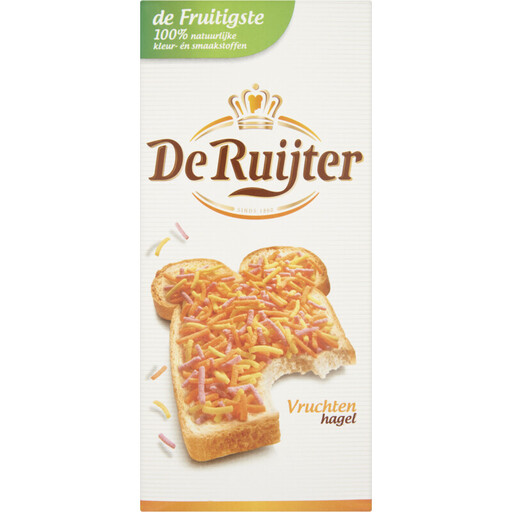 Image unavailable
For anyone looking for fruit sprinkles as an edible addition to Easter brunch, rather than chocolate sprinkles. The pack contains 400 g; read the ingredients and allergens before serving.
 Image unavailable
For anyone who wants to serve dark chocolate sprinkles at breakfast. The pack contains 390 g; even with a dark variety, check the ingredients and allergens on the label.
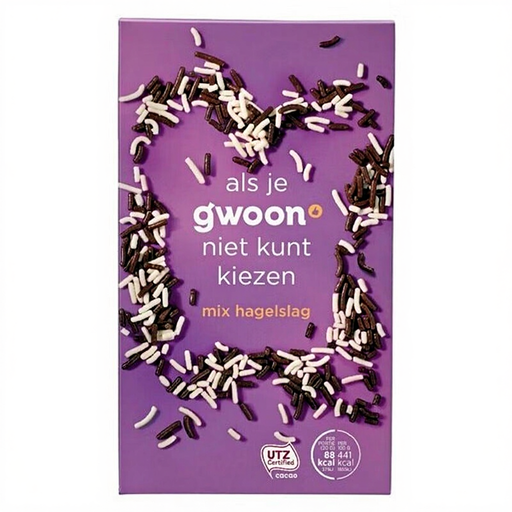 Image unavailable
If you’re considering this milk chocolate variety for Easter breakfast, check the net weight and ingredients on the packaging before deciding whether it suits your plans.
No. Chocolate sprinkles are meant as a bread topping or an edible decoration. Use Easter eggs that you can hide for the hunt, and save the sprinkles for breakfast or dessert afterwards.
A large pack makes sense if you’ll use the same type of sprinkles on several occasions and can finish the pack. Compare the net weight only after deciding whether you want milk chocolate sprinkles, dark chocolate sprinkles or fruit sprinkles, for example.
Yes. Dark chocolate sprinkles can still contain ingredients that matter to your guests. For example, Albert Heijn lists soya lecithin and milk fat in De Ruijter dark chocolate sprinkles. Always read the label on the current packaging.
A lower-sugar claim on its own doesn’t tell you what portion size to have. Compare the full nutritional information per 100 g and decide how much you want to sprinkle over each portion.