
Bakers preparing to share
If you’re baking Dutch spiced biscuits for family or guests, it’s worth deciding in advance how many sprinkles you’ll need for the topping. A larger pack can save you from opening several small ones while decorating.


If you’re using sprinkles as a topping for a baking session with several people, a 300 g pack is a practical starting point. Then choose a flavour and check the allergens on the packaging. If you want to coat your Dutch spiced biscuits completely in chocolate, you’ll also need chocolate to melt: the recipes from Allerhande and Rutger Bakt use melted chocolate for the coating, not sprinkles alone.
If you’re baking Dutch spiced biscuits for family or guests, it’s worth deciding in advance how many sprinkles you’ll need for the topping. A larger pack can save you from opening several small ones while decorating.
Milk, dark, white or mixed sprinkles give you different ways to finish your biscuits. For a complete chocolate coating, Allerhande and Rutger Bakt describe a different step: dipping the biscuits in melted chocolate.
If milk, lactose or soya matters to anyone eating them, check the ingredients and any allergen warnings on the packaging of the exact product you’re buying. The word ‘dark’ doesn’t tell you which allergen warnings apply.
First decide whether you want to sprinkle them on top or coat the biscuits in chocolate. For a topping, choose a suitable quantity and flavour, and check the packaging if allergens are a concern.
| What to consider | What to check when buying | Who is this most important for? |
|---|---|---|
| Quantity | Compare the weight in grams with the number of plates you want to decorate; if you have any left over, check the storage instructions. | If I’m baking for several people, I want enough topping without opening several small packs. For around 31% of consumers, quantity comes first. |
| Flavour and recipe use | Choose the type of sprinkles you want, and decide separately whether you’ll also need chocolate to melt for a chocolate coating. | I want the finish to suit my biscuits, but I’ll need a coating for a complete chocolate layer. Flavour and how the product is used in a recipe are the main considerations for around 31% of consumers. |
| Allergens | Read the ingredients and any statements about possible allergens on the packaging of the product you’ve chosen. | If someone eating with me needs to avoid certain allergens, I want to check the packaging before using the sprinkles. This is the top priority for around 23% of consumers. |
| Availability | Check whether your preferred product is available from your shop, either in store or online. | If I want to buy all my baking ingredients in one shop, the right pack needs to be available there. For around 15% of consumers, this matters most. |
In recipes from Allerhande and Rutger Bakt, the biscuits get their chocolate coating by being dipped in melted chocolate. Sprinkles alone won’t replace that step.
Before you buy, decide whether you want to sprinkle or fully coat them. For the second option, you’ll also need chocolate to melt.
PLUS labels its dark chocolate sprinkles as vegan, but also warns that they may contain milk and lactose. Jumbo says its dark sprinkles may contain milk.
Check both the ingredients and the ‘may contain’ statement on the pack you choose; don’t rely on the product name alone.
You may have sprinkles left over after baking, especially if you buy a large pack. How to store them depends on the instructions for the product you’ve bought.
Reseal the pack after use and follow the storage and best-before information on the label. For homemade chocolate-coated biscuits, Voedingscentrum recommends keeping them in a cool, dry, dark place in a well-sealed container.
A brand to consider if you’re looking for a particular type or mix of sprinkles.
Supermarket own-label milk chocolate sprinkles, listed in a 300 g pack.
Supermarket own-label sprinkles listed in 300 g packs, in dark, milk and duo varieties.
Supermarket own-label dark and milk chocolate sprinkles, listed in 300 g packs.
An in-store option, with Kiekeboe chocolate sprinkles listed in milk or dark varieties, in 300 g packs.
An in-store option listed as 300 g milk chocolate sprinkles.
These products are for sprinkling over Dutch spiced biscuits or other bakes: the selection includes both flakes and chocolate strands. Check the difference if you’re specifically looking for flakes. For a complete chocolate coating, you’ll also need chocolate to melt.
 No image available
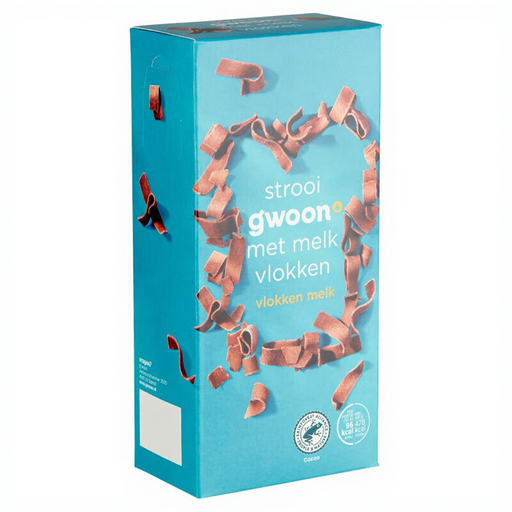
A 300 g pack if you want to sprinkle milk chocolate flakes over several portions. The product contains milk; check the allergens on the packaging.
 No image available
For anyone who’d like to use dark chocolate strands as a topping instead of flakes. The pack contains 390 g. Check the allergen information on the packaging if milk or soya is a concern.
 No image available
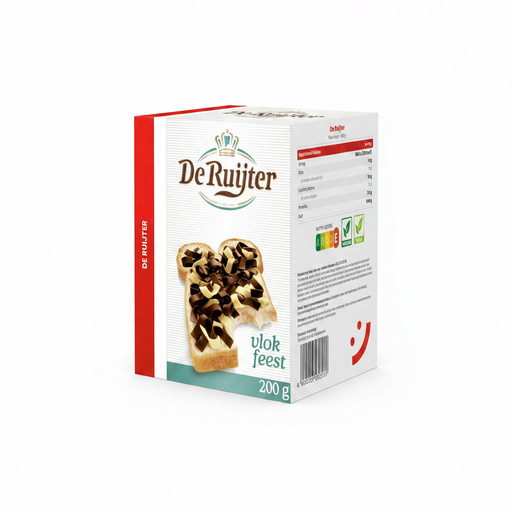
A mix of chocolate and vanilla flakes for decorating, if a smaller pack suits your baking plans. It contains 200 g; check the packaging for wheat, soya and any milk statements.
 No image available
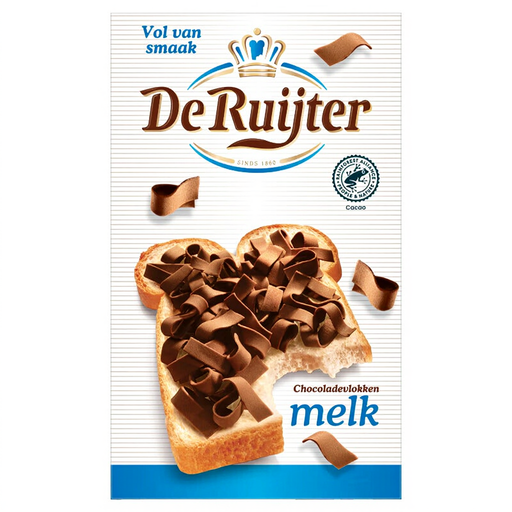
Milk chocolate flakes for anyone who’ll have enough topping with 200 g. The product contains milk and soya; check the packaging if allergens matter to anyone eating them.
 No image available
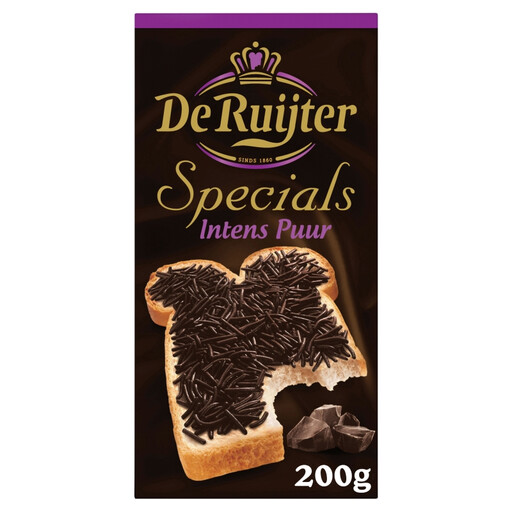
Dark chocolate strands for anyone who doesn’t need flakes and will get by with 200 g. Check the ingredients and allergens on the packaging, particularly if the lactose information will affect your choice.
You’ll need more than sprinkles for a complete chocolate coating. Allerhande and Rutger Bakt explain how to dip the biscuits in melted chocolate; you can add sprinkles as an extra decoration.
A 300 g pack is a practical starting point if you want to decorate several plates. Work out how much topping you’ll use, and check whether any leftovers can be stored according to the instructions on the packaging.
No. PLUS labels its dark sprinkles as vegan, but also warns that they may contain milk and lactose. Read the allergen information on the packaging of the variety you’re buying.
Store sprinkles according to the instructions on their packaging. For chocolate-coated biscuits, Voedingscentrum recommends a cool, dry, dark place and a well-sealed container.