
Vandaag of morgen in huis

Kwaliteit gegarandeerd

Welkomstaanbiedingen ontgrendelen: GRATIS bezorging | Tot 80% korting | Gratis 30 dagen JoyPlus-proefperiode
Download de app
Chocolate snacks might seem simple to pick, but the packaging doesn’t always tell the full story. A product with words like “fit”, “natural” or “wholesome” can still contain plenty of sugar, saturated fat or allergens. And a larger pack isn’t automatically better value when you’re mainly after small portions.
As Joybuy Product Recommendation Officer, I filter product information by practical points: ingredients, portion size, nutritional values, allergens and the occasion for eating. That way, you can compare chocolate snacks on verifiable features rather than just marketing claims.
A bar that’s high in fibre or protein isn’t automatically a healthy snack bar. Always look at the full table per 100g and per portion. For example, the Choco & Nut Bars 6-Pack contains 16g of protein and 18g of fibre per 100g according to the product information, but also 480 kcal. That makes the bar suitable for a filling snack moment, but not necessarily for every situation.
Also watch out for terms like 0% added sugar. That doesn’t mean the product is sugar-free. Holie’s Crunchy Loops Choco Crisp, for instance, lists 4.7g of sugar per 100g. So the total carbohydrate value and portion size remain relevant.
“Chocolate” on the front can mean cocoa powder, cocoa mass, chocolate chips or just chocolate flavouring is inside. Garden Wafers contains 2% cocoa powder and chocolate flavouring according to the ingredients list. That’s quite different from a chocolate bar with a high cocoa percentage.
With dark chocolate, the cocoa percentage is a useful comparison point. Tony’s Chocolonely Pure 70% Dark Chocolate states at least 70% cocoa solids. With milk chocolate, the percentage is usually lower; Tony’s Chocolonely Milk Chocolate Bar states at least 32%.
Chocolate snacks often contain milk, soya, wheat, gluten, peanuts or nuts. Check the full allergen declaration, even if a product is labelled vegetarian or vegan.
The Choco & Nut Bars contain oats, almond, hazelnut and sesame, and may contain traces of peanuts. Bites We Love Chewy Oat Bars uses gluten-free whole grains according to the product description, but does list oats as an allergen. Fruittella Mini Vegan states that the product contains none of the 14 major EU allergens. If you have allergies, always check the current packaging, as recipes and labels can change.
For snacks on the go, individually wrapped products are practical. Bites We Love Chewy Oat Bars come as a pack of four; the nutritional information is given per 30g bar. Fruittella products are also individually wrapped, making them suitable for sharing or taking with you.
A large 180g bar is better for home use or sharing. Smaller 90g bars are handier as a snack or to add to a gift set. So don’t just compare the price per pack, but also the price per 100g or per portion.
If you’re after a clear chocolate flavour, you can use the cocoa percentage as a first filter. Dark chocolate often contains more cocoa solids than milk or white chocolate, but the percentage doesn’t tell you anything about the total calories or fat content.
With chocolate containing nuts, you need to check the exact type of nut. Tony’s Chocolonely Milk Hazelnut contains 10% hazelnut and lists milk and soya as allergens. AE Chocodate Dark Chocolate combines dates and almonds with chocolate containing at least 85% cocoa solids. However, the natural sweetness from dates doesn’t make the product sugar-free: the product information lists 48g of sugars per 100g.
Use per 100g to compare products fairly. Use per portion to work out what you’re actually eating. Bites We Love Chewy Oat Bars contain 115 kcal per 30g portion, with 8.6g of fibre and 2.7g of protein, according to the product data. Tony’s Chocolonely Milk Chocolate Bar contains 545 kcal and 51g of sugar per 100g.
Avoid assuming that “high in protein”, “high in fibre” or “with vitamins” automatically fits your dietary goals. Sultana Oat Sticks, for example, mentions fibre, iron and vitamins in the product description. Always compare sugar, saturated fat, salt and the recommended portion size as well.
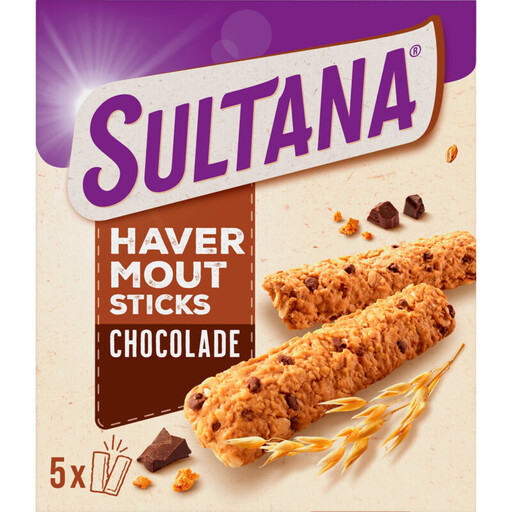
Why this fits the profile: A familiar pack with the sticks wrapped in pairs. Handy for a first purchase, the store cupboard or on the go.
The ingredients list and nutritional values are available, so you don’t have to rely solely on the word chocolate. The product does contain wheat, gluten, oats and soya.
150g content, wrapped in pairs and described as a source of fibre.
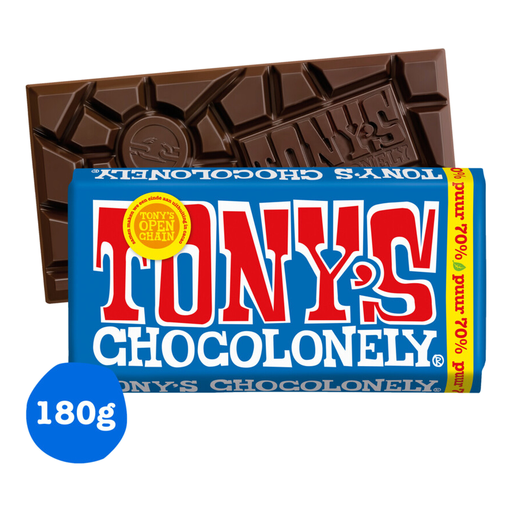
Why this fits the profile: For lovers of a pronounced cocoa flavour who value the percentage of cocoa solids.
The product states at least 70% cocoa solids. The ingredients list starts with cocoa mass and lists soya as an allergen.
180g, at least 70% cocoa and 27g of sugar per 100g according to the product information.
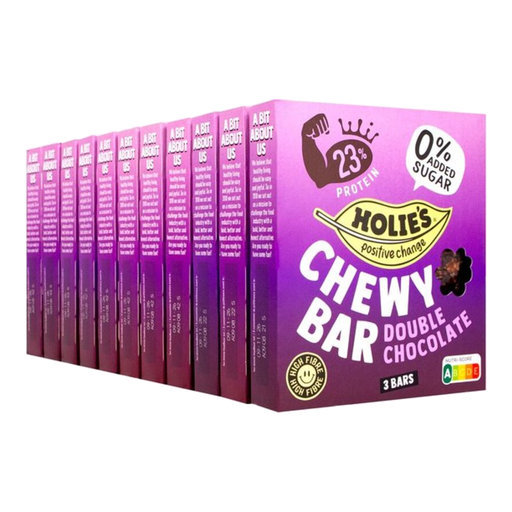
Why this fits the profile: A bulk pack for anyone who regularly takes snack bars to work, study or sports activities.
The claim of 0% added sugar is backed up with concrete values: 2.9g sugar, 23g protein and 21g fibre per 100g. The product does contain spelt, wheat, hazelnut and barley.
33 bars in total, 23g protein per 100g and cocoa in the ingredients list.
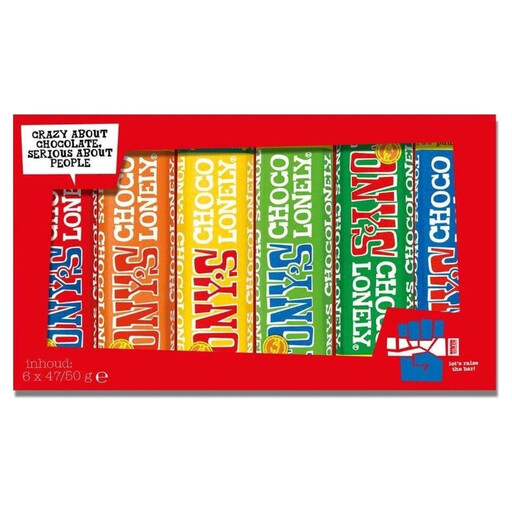
Why this fits the profile: The box contains six small bars including dark and milk chocolate, nougat, salted caramel, hazelnuts and almonds.
The variety is clearly described, so you know in advance which flavours and allergens to expect. The pack contains milk, soya, almond, egg and hazelnut.
288g total, six flavours and suitable for sharing or giving as a chocolate gift set.
We’ve put together a full, up-to-date list of products that fully meet these strict selection criteria and comply with current European safety regulations.
Choose bars or sweets that are individually wrapped and don’t melt or crumble easily. Snack bars, oat sticks and individual sweet rolls are practical in a bag. Store chocolate according to the packaging advice: usually cool, dry and out of direct sunlight.
No. Dark chocolate often has a higher cocoa percentage, but it can still be high in calories and fat. Tony’s Chocolonely Pure 70%, for example, lists 564 kcal per 100g. So always compare the full nutritional table and take the portion size into account.
The best-before date is on the packaging. Unopened chocolate generally keeps longest when stored cool, dry and away from heat and moisture. After opening, a well-sealed pack helps preserve the flavour and texture. Don’t use any product with damaged packaging, and if in doubt, check the current product information.
