
Vandaag of morgen in huis

Kwaliteit gegarandeerd

Welkomstaanbiedingen ontgrendelen: GRATIS bezorging | Tot 80% korting | Gratis 30 dagen JoyPlus-proefperiode
Download de app
Buying chocolate snacks seems simple, until you open a large pack and find that the portions are small, the flavour is different from what you expected or an important allergen has been overlooked. Asian snacks in particular may have product information partly written in another language on the packaging. Well-known names such as Pocky, KitKat and Pepero are also available in many varieties.
This guide compares chocolate biscuits, chocolate wafers, biscuit sticks and confectionery based on verifiable product information. That way, you can make a more informed choice for home, on the go, a film night or sharing with others.
A box can look bulky because of the packaging, while the net quantity is limited. So do not just look at the size of the box; check the weight in grams, the number of individual portions and the price per 100 grams.
A multipack is practical when you want to spread your snacks over several occasions. For a family or film night, individually wrapped mini packs may be more convenient than one large bag that can quickly lose quality once opened.
Words such as strawberry, cookies & cream, choco churros or salted caramel mainly describe the flavour profile. They do not automatically tell you how much cocoa, strawberry, nuts or milk ingredients the product contains.
Always check the ingredients list. For some products, sugar, vegetable oil or palm oil appear near the top of the list. This means that these ingredients make up a relatively large proportion of the product. The nutritional values per 100 grams make it easier to compare different varieties.
Japanese and Korean snacks regularly contain wheat, milk and soya. Varieties containing almonds, hazelnuts or other nuts require extra attention. The packaging may also state that the product was made on a shared production line.
The information on a webshop is not always identical to that on the current packaging. Before eating, therefore, check the ingredients, allergens, best-before date and storage instructions on the physical label. This is particularly important when buying snacks for children, guests or anyone with a food allergy.
Packs of around 30 to 50 grams are easy to carry for individual use. Examples include Pocky at 40 or 45 grams, Pepero at 32 grams or the Meito wafer at 16.5 grams per pack.
For sharing, larger packs are more appealing, such as Ovaltine Cocoa Crunchy Tube at 190 grams, Smarties in a pack containing multiple tubes or Nestlé Mini Smarties with 18 individual portions. When comparing them, consider the number of portions alongside the total weight.
The term chocolate snacks covers a range of textures:
Choose a wafer or biscuit if you are mainly looking for a crisp texture. Individually wrapped snacks are practical for taking with you. For a table featuring several flavours, a combination of small packs often works better.
Where possible, compare energy, fat, saturates, carbohydrates and sugars per 100 grams. This makes products in different pack sizes easier to compare. Nutritional information does not tell you everything about flavour or texture, but it does prevent you from relying solely on the front of the packaging.
Store chocolate snacks according to the label: usually in a cool, dry place away from direct sunlight. In warm conditions, chocolate can become softer or develop a light white bloom as the fats change. The product information for the KitKat Gold variety describes this as a normal occurrence, although the texture or flavour may change.
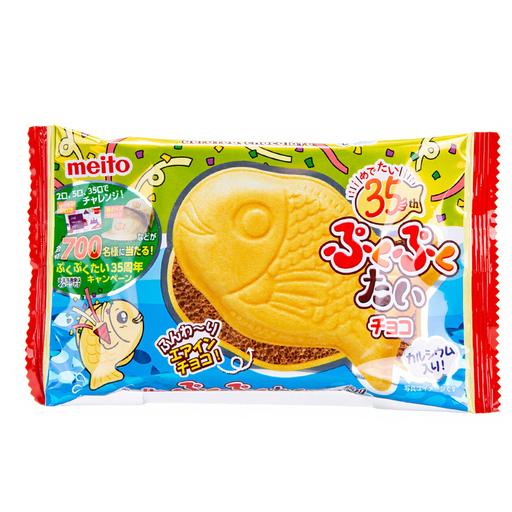
Why it suits this profile: The small portion is ideal if you want to try a Japanese snack without immediately buying a large pack.
The 16.5-gram portion size is clearly stated. This makes it easy to compare the quantity with larger chocolate wafers.
Japanese wafer; contains wheat and milk; individually wrapped for an easy snack break.
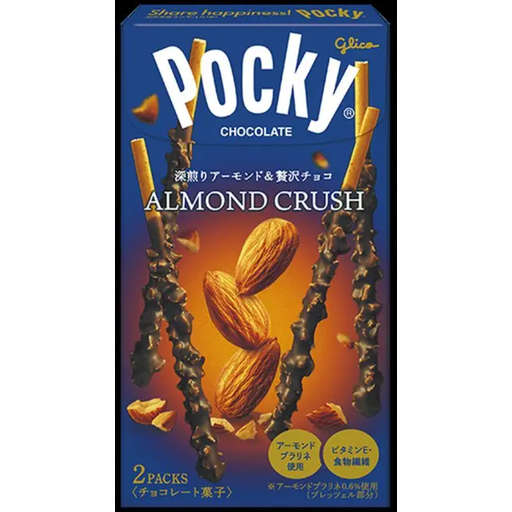
Why it suits this profile: The pack contains two sections and combines biscuit sticks with a cookies-and-cream flavour and a crisp texture.
The product information lists wheat, milk and soya as allergens. Check the current label when buying.
46.2 grams per pack; two pack sections; 480 kcal, 21 grams of fat and 32 grams of sugars per 100 grams according to the supplied product information.
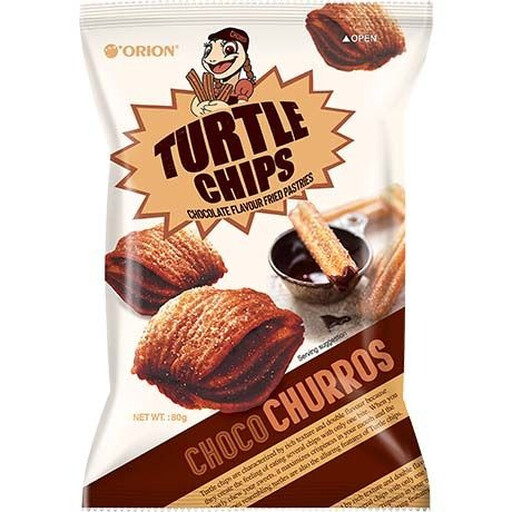
Why it suits this profile: This Korean snack is aimed at those who enjoy a distinctive combination of chocolate, churros and cinnamon during film nights or when sharing snacks.
The weight, nutritional values and allergens are listed. The snack contains wheat, soya and milk; check this before sharing.
80 grams; four layers for a crisp texture according to the product description; 528 kcal per 100 grams.
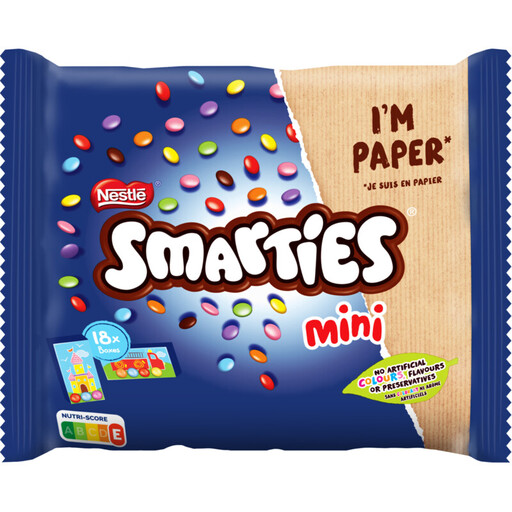
Why it suits this profile: The bag contains 18 individual mini packs, making it easy to hand them out at a party or film night.
The portions are individually wrapped. This limits exposure to air after the outer packaging has been opened.
259 grams; 18 mini packs; milk chocolate with a crisp, colourful coating.
We have put together a complete, up-to-date list of products that fully meet these strict selection criteria and the applicable European safety regulations.
Small, individually wrapped snacks are practical. Think of Pocky, Pepero, Meito Pukupukutai or individual KitKat portions. They take up little space, and you do not have to open the whole pack at once.
Store them in a cool, dry place away from sunlight, heat and moisture. Reseal the packaging properly after opening. In warm weather, check carefully that the chocolate has not softened, and always follow the instructions on the label.
Check the Dutch or European product information, allergens, net quantity, best-before date and ingredients. With Japanese snacks, Korean snacks and other imported products, the recipe, packaging and available information may vary between varieties. So do not rely solely on the product photo or flavour name; read the current label before eating.
