
Vandaag of morgen in huis

Kwaliteit gegarandeerd

Welkomstaanbiedingen ontgrendelen: GRATIS bezorging | Tot 80% korting | Gratis 30 dagen JoyPlus-proefperiode
Download de app
Chocolate snacks come in many forms: from milk chocolate and chocolate bars to chocolate biscuits, wafers, truffles and filled chocolates. This wide range makes choosing both easy and difficult. A large pack might seem like good value, but it doesn't always suit how you'll use it. And an appealing flavour name tells you little about the ingredients, allergens or nutritional value.
With this buying guide from the Joybuy Product Recommendation Officer, you can compare products based on verifiable facts. This way, you can make a more informed choice for a quick treat, a family stash or a chocolate gift.
A multipack can be handy for families or the office, but first check the total weight and number of portions. Twelve small packs are practical, whereas a 250g bar might be better for sharing. So compare the price per 100g and also check the best-before date.
Words like "creamy", "crème" or "milk" mainly describe the taste experience. They don't automatically tell you how much milk, cocoa or filling a product contains. Check the ingredients list and the quantitative declarations. For example, Milka Choco Wafer Milk states that the wafers are made up of 60% soft milk chocolate. With other products, milk powder might only form a small part of the recipe.
Chocolate biscuits, chocolate wafers and truffles often contain milk, soya, gluten, hazelnuts or other nuts. Even a product without visible nuts may carry a warning for possible traces. Always read the current packaging, especially if you have an allergy or intolerance. Product information on a webshop is useful for an initial filter, but the label remains the final authority.
Choose the size based on the occasion:
Also pay attention to the packaging. Resealable bags help maintain quality after opening. Individually wrapped chocolate wafers are easier to take on the go than a large, loose bar.
Ingredients are listed in descending order by weight. If sugar is at the top, it's a major component of the recipe. Also look for:
A product described as having "milk cream" isn't necessarily the same as a snack with a high milk content. So compare the full list rather than just the front of the pack.
The nutrition table makes it easy to compare products. Pay particular attention to energy, fat, saturated fat, carbohydrates, sugars and salt. Many chocolate snacks are around 500 to 600 kcal per 100g, but portion sizes vary. A product with 55g per bar doesn't automatically have the nutritional values of 100g.
If you're looking for less sugar, you could consider a product with sweeteners or a lower sugar content. For example, Barebells Protein Cookies & Cream states 2.4g of sugar per 100g, but the product does contain sweeteners. According to the product information, excessive consumption of these can have a laxative effect. This makes it important not to look at just one nutritional value.
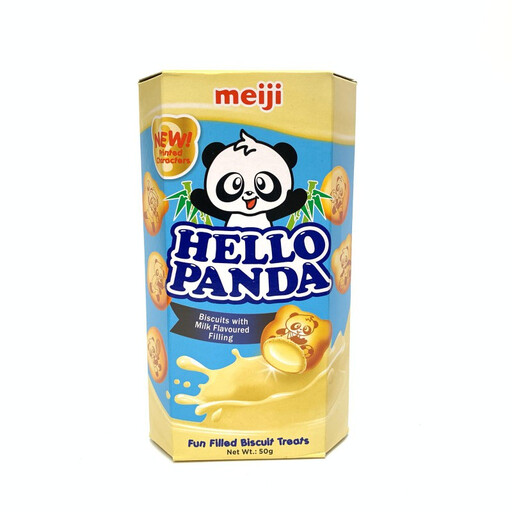
Why this fits the profile: A small bag of panda-shaped, filled biscuits is ideal for a lunchbox, on the go or a quick snack break.
The compact size stops you from buying a large stock straight away. Do check the allergens: the product information lists milk, gluten, soya and hazelnut, among others.
47g per pack, crunchy hollow biscuits and a soft milk cream filling according to the product description.
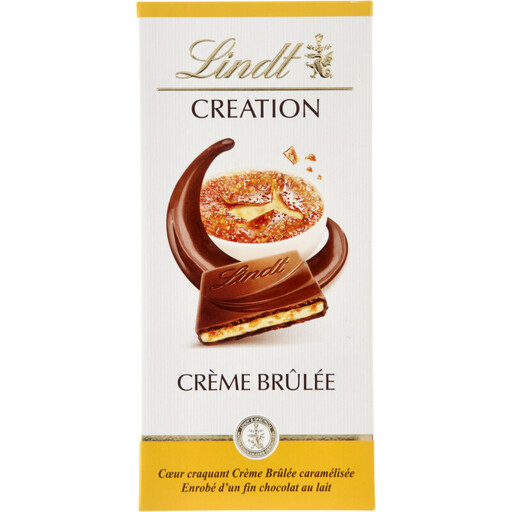
Why this fits the profile: The dessert-inspired flavour and shareable size are perfect for a dinner party, guests or a quiet moment of indulgence.
The product information specifies the flavour, weight and ingredients. Check the current packaging for allergens such as milk, wheat, gluten, soya and barley before purchasing.
150g milk chocolate with a crème brûlée recipe and pieces of wafer according to the product description.
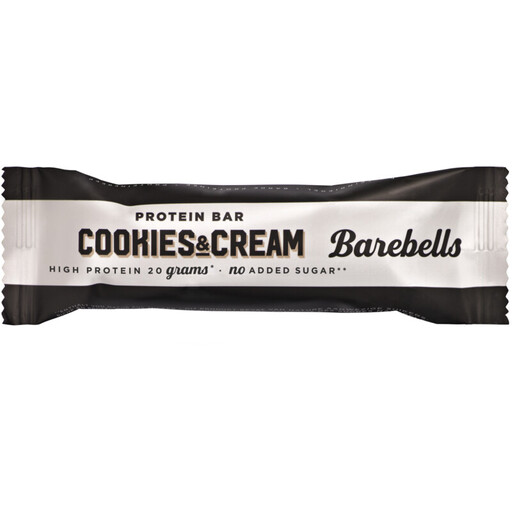
Why this fits the profile: A single 55g bar is easy to take with you after a workout, when travelling or during a busy workday.
The bar clearly states 37g of protein per 100g and contains sweeteners. So you can see both the protein content and the relevant usage warning.
55g per bar, 37g of protein per 100g and a coating of 24% milk chocolate according to the product information.
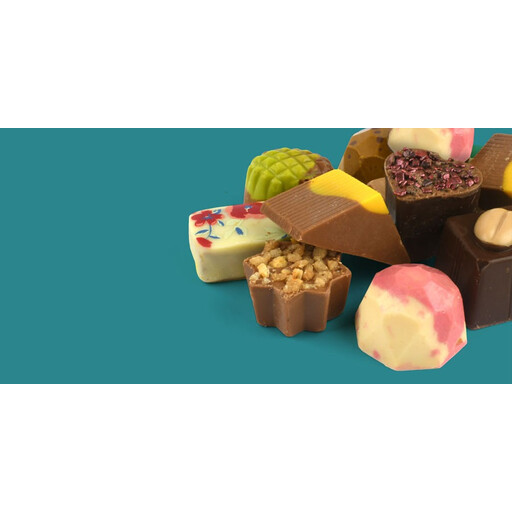
Why this fits the profile: The 300g box is designed for sharing and contains a variety of fillings, including hazelnut, cherry and coffee.
The variety of flavours means you don't need to buy several separate boxes. Do check the allergens, which include milk, hazelnut and soya.
300g, multiple fillings and a box that's ideal for sharing or as a chocolate gift.
We've put together a full, up-to-date list of products that fully meet these strict selection criteria and comply with current European safety regulations.
Choose a bar or box of at least 150g, such as the Lindt Creation Crème Brûlée at 150g or the Elvee Cream Bonbons at 300g. For a family, individual portions like chocolate wafers are often more practical because they're easier to hand out.
Store chocolate in a cool, dry place, away from direct sunlight and heat sources. A fridge is usually not necessary and can affect the texture and flavour. Seal an opened pack properly and always follow the storage advice on the label.
A chocolate bar is mainly a solid chocolate base, sometimes with nuts or biscuit. Filled chocolates also contain a soft cream, caramel or other filling. For both types, check the ingredients list, nutritional values and allergens before you order.
