
Vandaag of morgen in huis

Kwaliteit gegarandeerd

Welkomstaanbiedingen ontgrendelen: GRATIS bezorging | Tot 80% korting | Gratis 30 dagen JoyPlus-proefperiode
Download de app
When you want to buy chocolate snacks online, the sheer number of options can be overwhelming. From classic chocolate bars to surprising Japanese chocolates, the selection is enormous. But how can you be sure you're getting what you expect? Attractive packaging doesn't guarantee a delicious product, and marketing terms can be misleading. As a Product Recommendation Officer at Joybuy, I'm here to help you cut through the noise and make a choice that suits your taste and the occasion.
Before you fill your digital shopping cart, it's wise to consider a few common pitfalls:
To avoid a bad buy, it's helpful to pay attention to a few concrete details. This will help you ignore the marketing hype and focus on what truly matters.
The term "chocolate snack" is broad. Think about the type and texture you're looking for. This will make your search much more focused.
How and when do you plan to eat the snack? The packaging is a key factor here.
A glance at the ingredients list can be very revealing. The cacao percentage indicates the intensity of the chocolate flavour: a higher percentage usually means a richer and less sweet taste. Brands sometimes also mention certifications like Fairtrade or Rainforest Alliance, which says something about the origin of the cacao. For example, according to Tony's Chocolonely, they strive for 100% slave-free chocolate.
To get you started, we've highlighted a few popular choices that suit different preferences and situations.
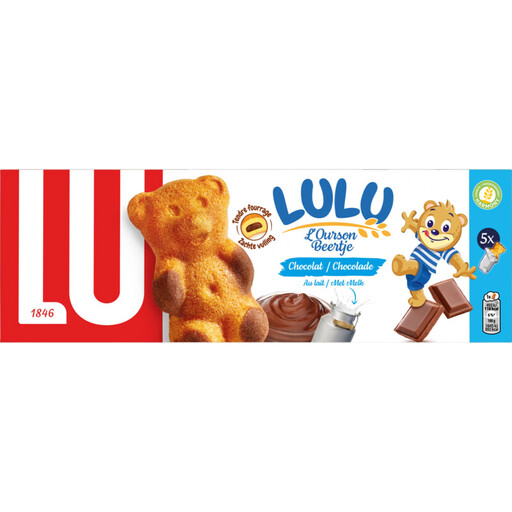
Why This Fits Their Persona: These soft, bear-shaped cakes are a favourite with children. They are individually wrapped, making them ideal for lunchboxes or as a treat. No fuss with breaking or dividing portions.
The individual packaging provides clarity on portion size. You know exactly what you're giving and avoid the "more air than snack" trap.
Soft texture with a chocolate filling. Packed in sets of 5, convenient for a school week.
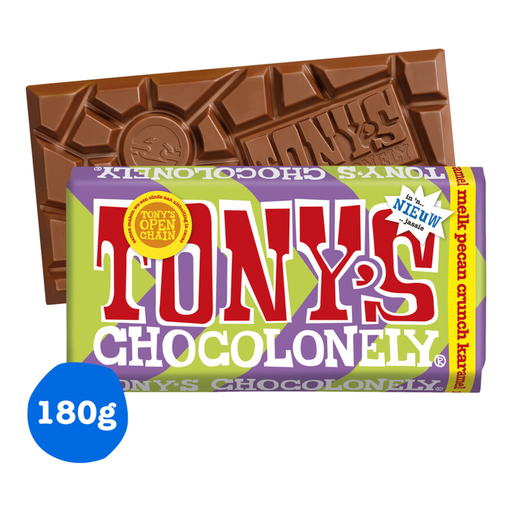
Why This Fits Their Persona: For those who see a chocolate bar as more than just sugar. This bar offers a complex flavour through the combination of milk chocolate, crunchy pecans, and sweet caramel.
The "luxury" here is in concrete details: a clear cacao percentage (32%), real pecans and caramel, and a Fairtrade certification. No vague promises.
Rich, layered flavour and texture. Made with Fairtrade-certified cacao.
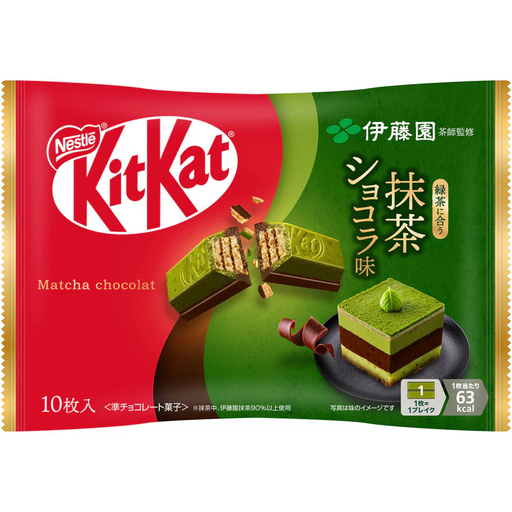
Why This Fits Their Persona: For those who love discovering new flavours, this Japanese chocolate is a perfect find. The combination of the familiar KitKat wafer with the slightly bitter, earthy taste of matcha tea is a unique experience.
This product delivers exactly what it promises: an authentic Japanese flavour. It's not vague marketing, but a concrete and distinctive product.
Unique flavour combination of matcha and white chocolate. Individually wrapped, fun to share and try.
This is just a small selection from our range. We have compiled a complete, up-to-date list of products that meet these selection criteria.
1. What's the best way to store my chocolate snacks? Chocolate is best stored in a cool, dry, and dark place, ideally between 15 and 18 degrees Celsius (59-64°F). Do not store it in the refrigerator, as moisture and condensation can cause a white layer (sugar or fat bloom) to form on the chocolate. This isn't harmful, but it does affect the texture. Ensure the packaging is tightly sealed to prevent the chocolate from absorbing odours from other products.
2. What does the cacao percentage on a chocolate bar mean? The cacao percentage refers to the total amount of ingredients derived from the cacao bean (cacao mass and cocoa butter). A higher percentage generally means a more intense, purer, and often less sweet chocolate flavour. Milk chocolate typically has a lower cacao percentage (e.g., 30-40%) than dark chocolate (often 50% to as high as 90%).
3. Are individually wrapped cookies a better choice? That depends on the use case. For on-the-go, at work, or as a treat, individual packaging is practical. It helps maintain freshness and makes portion control easy. For home use, a larger package without individual wrappers can be more sustainable and economical. It's a trade-off between convenience and packaging material.
