
Vandaag of morgen in huis

Kwaliteit gegarandeerd

Welkomstaanbiedingen ontgrendelen: GRATIS bezorging | Tot 80% korting | Gratis 30 dagen JoyPlus-proefperiode
Download de app
Buying chocolate snacks seems simple, until you have to choose between milk chocolate, dark chocolate, chocolate wafers, biscuits and filled varieties from different countries. Eye-catching packaging does not always tell you much about what is inside, either. Comparing products carefully helps you avoid disappointment over portion size, flavour, allergens or shelf life.
This guide will help you compare chocolate snacks using verifiable product information. You will also find popular choices for fans of Asian chocolate, Japanese snacks, Korean snacks and well-known European brands.
A bag or box may look large, while the individual portions are small. Always check the net weight, the number of pieces and the weight per piece. A multipack is useful for families or parties, but a smaller bar may be more suitable if you want to try different flavours.
A product may consist of wafers, biscuits, filling or confectionery with a chocolate coating. Check the ingredients list and, where stated, the percentage of cocoa or chocolate. For example, quduoduo Chunky Cookies states that the product contains at least 9% chocolate. This gives you more useful information than simply the name “dark chocolate flavour”.
International snacks may contain ingredients you would not immediately expect, such as gelatine, soya, palm oil, nuts or milk derivatives. Always check the allergen information on the product page and on the packaging before buying. The packaging takes precedence if the recipe or labelling differs.
Store chocolate snacks according to the stated instructions: usually somewhere cool and dry, away from direct sunlight. At high temperatures, chocolate can become soft or develop a white bloom after setting again. For KitKat Gold, this is described as a normal result of temperature fluctuations.
Pay attention to these three points:
The Meito Pukupukutai wafer comes in an individual 16.5 g portion. This makes it suitable for taking with you or ordering several flavours to compare. The 468 g Orion Choco Pie, on the other hand, is designed to provide multiple portions.
Milk chocolate generally has a creamy, sweet flavour thanks to its milk content. Dark chocolate usually contains more cocoa solids and often has a stronger flavour, but check the exact percentage. For example, AE Chocodate states that its dark chocolate contains 85% cocoa solids, combined with dates and almonds.
The filling also influences the experience:
Product claims about flavour or popularity come from brands and sellers. According to information provided by Kahve Dunyasi, Gofrik consists of crisp biscuits, milk chocolate, pistachio cream and pieces of pistachio. Use the ingredients list and allergen information to decide whether it suits your preferences.
Check at least the following:
Nutritional values are not a quality ranking. They are mainly useful for comparing products on a like-for-like basis.
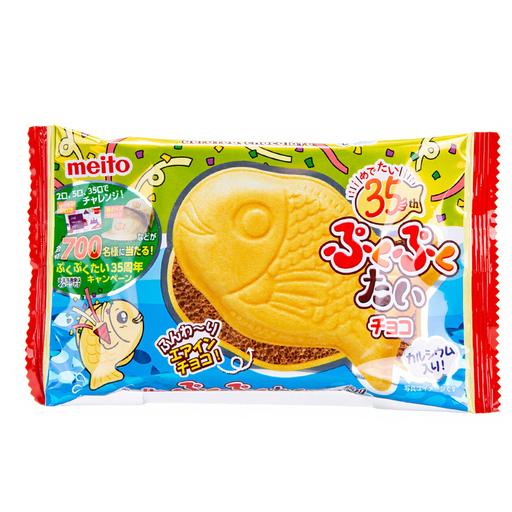
Why it suits this profile: The individual portion is easy to understand and approachable for anyone wanting to try Japanese snacks without immediately choosing a large pack.
The weight per pack is clearly stated. However, check the label for milk and wheat allergens before ordering.
16.5 g portion; crisp wafer; Japanese origin according to the product information.
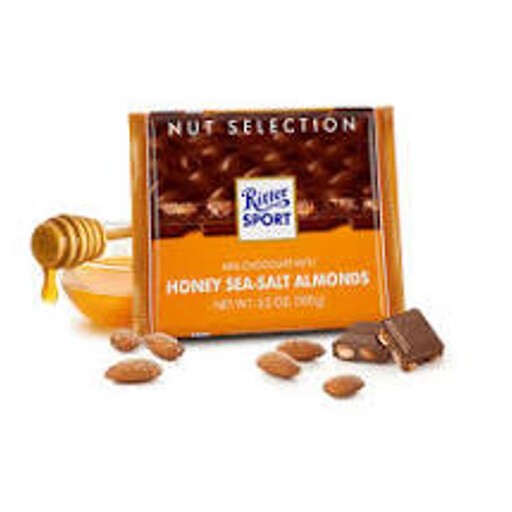
Why it suits this profile: The combination of honey-roasted almonds, sea salt and milk chocolate is ideal for anyone looking for more than a standard chocolate bar.
The flavour combination is described clearly. Check the allergen information, as the product contains almonds, milk and soya.
100 g format; honey-coated almonds; sweet and savoury combination.
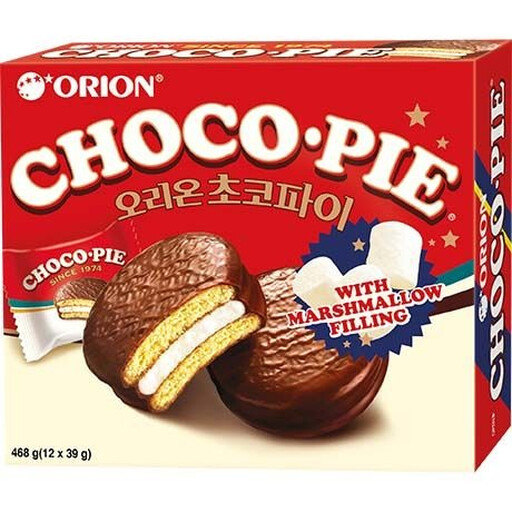
Why it suits this profile: The larger format is ideal for families, sharing occasions and fans of Korean snacks who want several portions at home.
The net weight is 468 g, and the product information lists milk, wheat, egg, soya and gelatine. This allows you to assess the portion size and ingredients in advance.
468 g; soft cake with a creamy filling; chocolate coating; from Orion in South Korea.
We have put together a complete, up-to-date list of products that fully meet these strict selection criteria and the applicable European safety regulations.
Use this order when comparing international snacks:
Individually wrapped Japanese or Korean snacks are practical as gifts. For home use, larger packs are often more convenient, but make sure you compare the price per 100 g.
Multipacks and larger packs are practical. Orion Choco Pie 468 g, Bros Mini Chocolate 208 g and Smarties Milk Chocolate Tubes 6 x 34 g are examples containing multiple portions or pieces. Always check the number of individual units and the allergen information.
They should generally be stored somewhere cool and dry, away from direct sunlight and sources of heat and moisture. Seal opened packs securely. For the exact temperature and shelf life, always check the label on the packaging you receive.
Milk chocolate contains milk derivatives and often has a softer, creamier flavour. Dark chocolate generally contains a higher proportion of cocoa solids and has a more intense taste. The precise difference varies from product to product, so check the stated cocoa percentage and the ingredients list.
