
Vandaag of morgen in huis

Kwaliteit gegarandeerd

Welkomstaanbiedingen ontgrendelen: GRATIS bezorging | Tot 80% korting | Gratis 30 dagen JoyPlus-proefperiode
Download de app
Fancy chocolate snacks, but not sure whether to choose milk chocolate, chocolate bars, chocolate wafers or biscuits with chocolate? There is plenty of choice, and packaging often focuses on flavour, size or a striking brand name. As a result, it is easy to overlook important information.
This guide helps you compare snacks using verifiable product details. That way, you can make a more informed choice for enjoying at home, on the go, in a lunchbox or when sharing.
A 180 or 200 g bar can be useful for sharing, but less practical when you are looking for a small portion. A smaller bar or individually wrapped snack is often easier to take with you and reseal. So look at the net weight, number of pieces and packaging, rather than just the price at first glance.
The proportion of nuts varies between products such as hazelnut chocolate and almond chocolate. For example, Milka Bar Broken Hazelnuts lists 9% hazelnut pieces, while Tony’s Chocolonely Milk Hazelnut lists 10% hazelnut. This percentage gives you a more reliable indication than a picture of large nuts on the front.
Also check the allergens. Milk, soya, hazelnuts, almonds, peanuts, eggs and gluten are commonly found in chocolate snacks, wafers and biscuits.
Terms such as “sustainable”, “free from artificial colourings” or “Belgian chocolate” can provide useful information, but always check the ingredients list and nutrition table. According to Tony’s Chocolonely’s own information, the brand supports a mission centred on slave-free cocoa. This is a brand claim, so check the current packaging and product information for precise certification details.
With international snacks, such as Pocky, Japanese KitKat or Turkish chocolate wafers, the packaging and online information may differ. The physical packaging is the definitive source for allergens, best-before information and preparation or storage advice.
For a snack just for yourself, packs of 35 to 100 g are often practical. Think of Pocky, a Milka bar or a small chocolate wafer. For a family, guests or a kitchen cupboard, a 150 to 200 g bar may make more sense.
Pay attention to these points:
Ingredients are listed in descending order by weight. If sugar appears first, it makes up a significant part of the recipe. Also check the percentage of cocoa, praline, caramel or nuts if you are looking for a particular flavour.
One example is Côte d'Or BonBonBloc Praline and Caramel. According to the product information, this 200 g bar contains 25% praline and 20% soft caramel. The bar contains, among other ingredients, milk, hazelnut, soya and other nuts. This makes it a good choice for fans of filled milk chocolate bars, but less suitable for a nut-free diet.
The nutrition table makes it easier to compare products in different sizes fairly. Many chocolate snacks contain around 485 to 559 kcal per 100 g, but the values vary depending on the recipe. An individual portion can therefore be easier to keep track of than a large bar that you open several times.
Compare in particular:
A Nutri-Score, such as Nutri-Score E on the Côte d'Or bar mentioned above, is additional information and is not an assessment of taste or quality. Use the full nutrition table when comparing products.
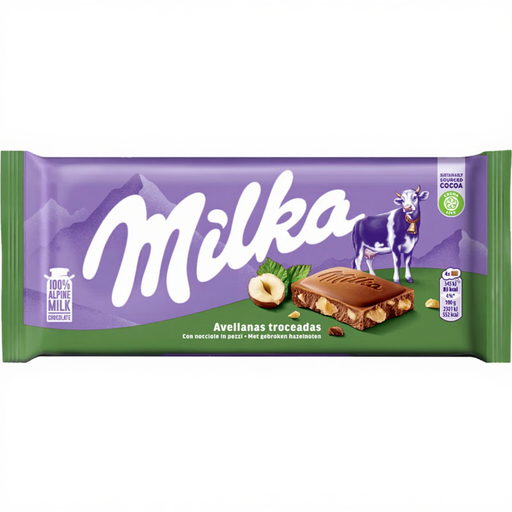
Why it suits this profile: A manageable size for trying milk chocolate and hazelnuts for the first time. The bar is easy to take with you or eat in portions.
With a net weight of 90 g, it is a smaller purchase than a family-size bar. The product information also lists 9% hazelnut pieces.
Milk chocolate with hazelnut pieces; 90 g; allergens clearly listed.
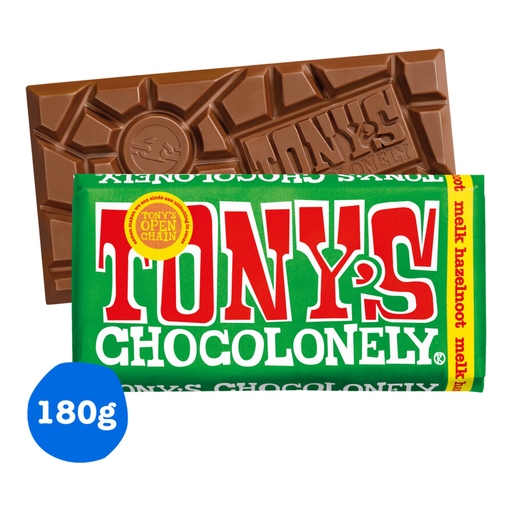
Why it suits this profile: The large bar is ideal if you are looking for a rich milk chocolate flavour with a pronounced crunch and enjoy sharing.
The product description states that it contains at least 32% cocoa solids and 10% hazelnut. This allows you to link your flavour expectations to specific product details.
180 g; 10% hazelnut; milk chocolate with at least 32% cocoa solids.
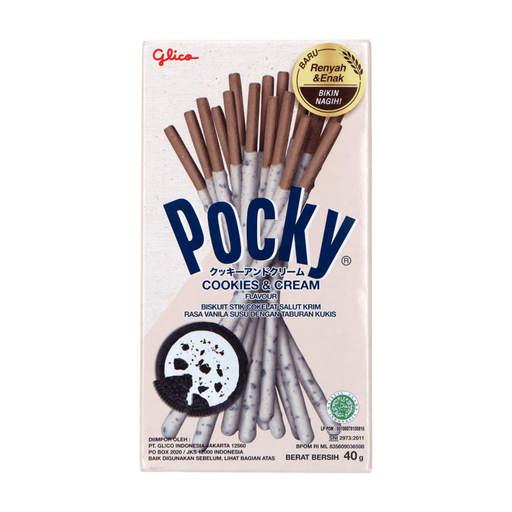
Why it suits this profile: The compact pack fits in a lunchbox, rucksack or desk drawer. The combination of crunchy biscuit sticks and cookies-and-cream is different from an ordinary chocolate bar.
The 40 g format means you do not have to carry a large bar when you are out and about. However, check the current packaging for allergens when buying.
40 g; crunchy biscuit sticks; cookies-and-cream coating; suitable for taking with you or sharing.
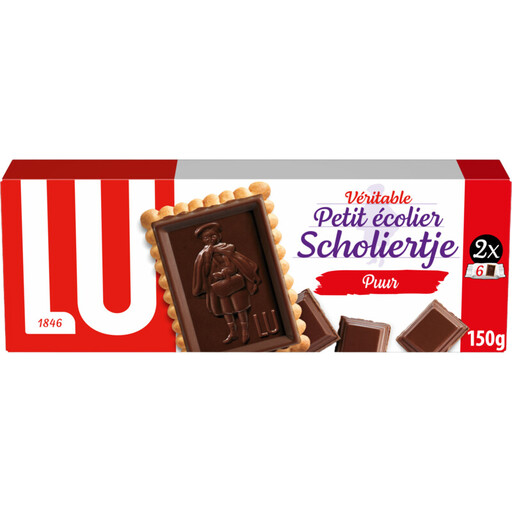
Why it suits this profile: This butter biscuit with a block of dark chocolate is individually packed in pairs, making it practical to enjoy with coffee, tea or as part of a shared snack break.
The individual packaging makes the number of snacking occasions and portions clearer than a single large chocolate bar.
150 g; combination of butter biscuit and dark chocolate; packed in pairs.
We have put together a complete, up-to-date list of products that fully meet these strict selection criteria and the applicable European safety regulations.
Small packs of biscuit sticks, wafers or a bar of around 35 to 100 g are practical for eating on the go. Pocky and individually wrapped chocolate wafers will generally fit more easily in a lunchbox than a large sharing bar. Store chocolate in a cool, dry place and seal opened packs carefully.
The best-before date is printed on the packaging. Store snacks according to the manufacturer’s instructions, usually in a cool, dry place away from direct sunlight and protected from heat and moisture. Once opened, the texture may change more quickly, particularly with wafers and biscuits. Check the packaging for the current date and storage advice.
Always read the full ingredients list and allergen information. Many chocolate snacks contain milk and soya; wafers and biscuits often contain wheat or gluten. Hazelnut chocolate, almond chocolate and products containing peanuts require particular care. With international products, the ingredients may vary between versions, so check the label on the packaging before consuming the snack.
