
Vandaag of morgen in huis

Kwaliteit gegarandeerd

Welkomstaanbiedingen ontgrendelen: GRATIS bezorging | Tot 80% korting | Gratis 30 dagen JoyPlus-proefperiode
Download de app
A chocolate selection may seem simple to choose, but there are big differences between boxes, bags and gift packs. Are you looking for a chocolate gift for a colleague, a mix of chocolates for a party or individually wrapped chocolates for the office? There’s more to consider than just the brand and packaging.
The most common pitfalls are practical:
First, decide what you’re buying the chocolate for. A compact size is often enough for a small chocolate gift box. For a birthday, meeting or get-together, a larger pack with individual portions is more convenient.
Look out for the following details:
For example, a 400 g box containing 32 individually wrapped chocolates may be easier to share than a selection of a similar weight containing a few large bars.
Look beyond the words “mixed chocolates”. Check whether the selection includes:
The percentage of cocoa solids can give you an idea of the ingredients, but it isn’t the only factor that affects how the chocolate tastes. A dark chocolate variety with 45% or 50% cocoa solids may taste quite different from milk chocolate with a sweet filling.
Read the product information before buying, and check the label when your order arrives. Many selections contain milk, soya, hazelnuts, almonds, peanuts, wheat or gluten. “May contain” means that the manufacturer considers cross-contamination possible.
As a general rule, store chocolate:
A best-before date is no substitute for checking the packaging. Don’t buy a product if its packaging is damaged. For coffee concentrates, it’s also worth checking the caffeine information. These products aren’t chocolate, but they may make a good addition to a gift pack for coffee lovers.
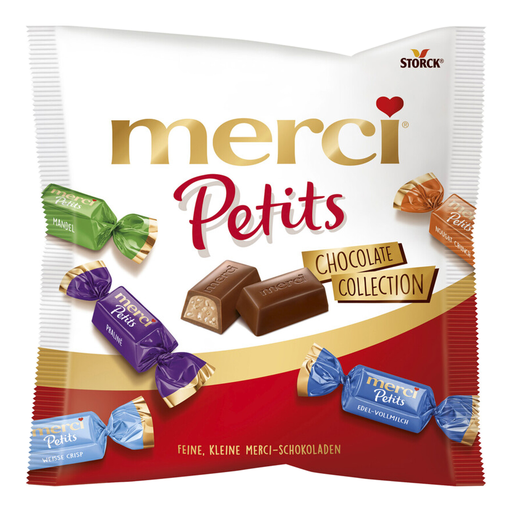
Why it suits this shopper: Its compact size makes a lovely small chocolate gift or a treat to serve with coffee to a few people. The product description lists seven different flavours.
The 125 g weight gives you a clearer idea of the portion size than packaging without a visible quantity indication. Do check the allergens, though: milk, nuts, soya and wheat are among those listed.
125 g; seven flavour varieties; a mix of filled and unfilled chocolate specialities.
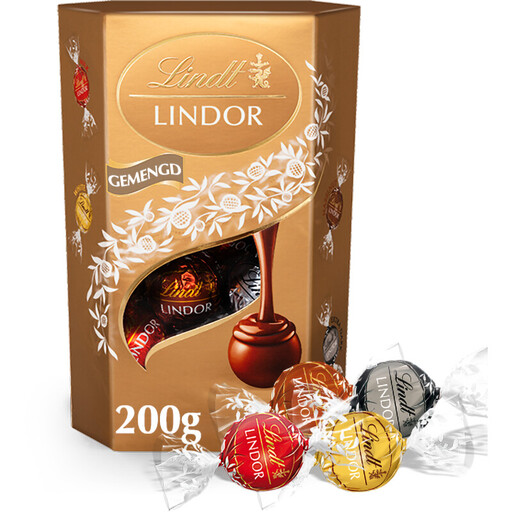
Why it suits this shopper: The box combines milk, hazelnut, white and dark chocolate truffles. That makes it a good gift when you want to cater for different tastes.
The listed flavour groups give you a better idea of what’s inside than the word “assorted” alone. If you have a nut allergy, check the full packaging.
200 g; four listed flavour profiles; soft filling, according to the product description.

Why it suits this shopper: The box contains 32 individually wrapped chocolates, making it practical for visitors, the office or a family gathering.
Knowing there are 32 wrapped pieces helps you plan portions. The selection includes both milk and dark chocolate, but always check the ingredients and allergen information.
400 g; 32 individually wrapped chocolates; eight listed flavour profiles.

Why it suits this shopper: This isn’t a chocolate product, but a coffee concentrate with a dark chocolate profile. It’s a good choice if you want to make an espresso, latte or iced coffee in no time.
The seven 25 g portions make it easy to keep track of how much you use. Do note that, according to the product information, each portion contains around 70 mg of caffeine.
175 g; seven individual portions; mix with water, milk or a plant-based drink.
We’ve put together a complete, up-to-date list of products that meet these strict selection criteria and current European safety regulations.
Don’t just consider the total weight; look at the number of pieces too. For coffee with a few guests, a 125 to 200 g box may be enough. For a larger group, a pack with at least a few dozen individual portions is more practical. You could also combine milk and dark chocolate to cater for different tastes.
A chocolate gift box with several flavours is usually an easy choice, as the recipient can pick their favourite. Look for attractive packaging, and check the weight and shelf life. If you’re unsure about allergies, it’s wiser to choose a product with a clear ingredients list than a selection whose contents aren’t clearly stated.
Store chocolate in a cool, dry, dark place, and avoid sudden changes in temperature. Keep opened packs tightly sealed. Individually wrapped chocolates are also easier to portion and take with you. Always check the storage advice on the packaging, especially for products containing fillings, biscuits or cake.
