
Vandaag of morgen in huis

Kwaliteit gegarandeerd

Welkomstaanbiedingen ontgrendelen: GRATIS bezorging | Tot 80% korting | Gratis 30 dagen JoyPlus-proefperiode
Download de app
A chocolate protein shake might seem simple to choose. However, products can vary considerably in their protein source, serving size, calorie content and intended use. For example, a chocolate whey protein shake for after exercise serves a different purpose from a chocolate weight gainer for people who need extra calories.
As a Joybuy Product Recommendation Officer, I focus on product details that can be checked. This helps you avoid paying for a large tub with few servings, a flavour you don’t enjoy or a product that doesn’t suit your diet.
A high protein percentage doesn’t tell you everything. Check the amount of protein per serving, the size of the scoop and the number of servings per pack. A product with 24 grams of protein per serving may be more practical than a larger pack with an unclear serving size.
Also check the overall nutritional information. A standard whey protein shake often contains relatively few calories, while a weight gainer adds plenty of carbohydrates and energy.
If you want to consume extra calories, you could consider a chocolate weight gainer. If you simply want to top up your daily protein intake, a regular whey or plant-based protein shake is usually a better fit.
A weight gainer can provide hundreds more calories per serving than a standard chocolate protein shake. That may suit you if you have high energy requirements, but it may be unnecessary if you’re trying to limit your calorie intake.
Many whey products contain milk and sometimes soya. Plant-based protein powder isn’t automatically free from all allergens; according to the label, some products may contain traces of milk, gluten, egg, nuts or peanuts.
Always check the current packaging. Product formulas, nutritional values and preparation instructions can change. If you have an allergy or intolerance, the product packaging is the key source of information.
Whey protein comes from milk. This category includes whey concentrate, whey isolate and hydrolysed whey protein. A blend combines several forms. Don’t just look for terms such as “isolate” or “hydrolysed”; pay particular attention to the total protein content and ingredients list.
Plant-based protein powder may contain pea and rice protein, for example. This can suit a vegan diet. Check that the product is actually labelled as vegan and whether the label mentions possible cross-contamination.
Always compare like with like. Useful details include:
For example, Optimum Nutrition Gold Standard 100% Whey lists around 24 grams of protein per serving of approximately 30 to 32 grams, depending on the variant. The product information also lists around 116 to 119 kcal per serving. This type of product is suitable if you want to add protein without taking on a large number of extra calories.
Chocolate flavour varies from one formula to another. Cocoa powder, flavourings, sweeteners and any thickeners all affect the taste and texture. A smaller sample pack can be useful if you’re not sure whether you’ll like a flavour. Optimum Nutrition’s 30-gram sachet, for example, is designed as a single serving.
Follow the preparation instructions on the label. Many products are mixed with 180 to 400 ml of water, milk or plant-based drink. Using more liquid usually makes a thinner shake, while using less gives it a more intense flavour.
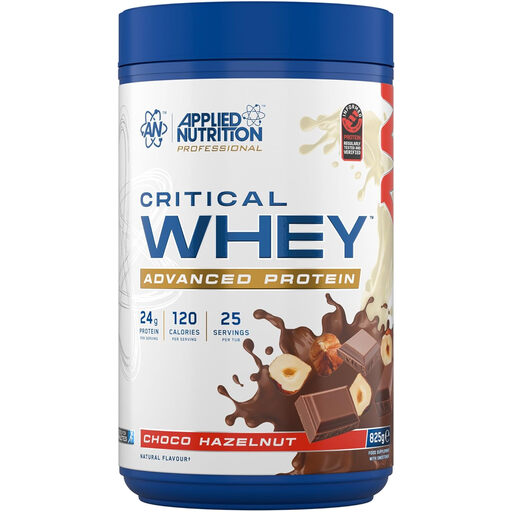
Why it suits this profile: A practical choice for adults who want to try a regular protein shake without buying a very large pack straight away. The product information lists around 23.6 grams of protein per 33-gram serving.
The nutritional information gives both the serving size and protein content. This makes it easier to compare the cost and nutritional value of each shake.
Whey blend of concentrate, isolate and hydrolysate; around 23.6 grams of protein per serving. Contains milk and soya.
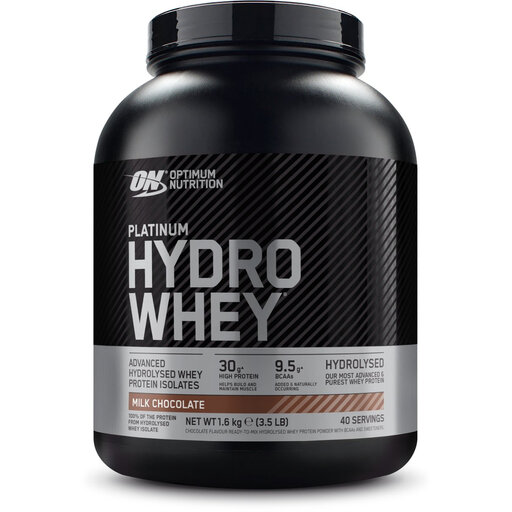
Why it suits this profile: Designed for athletes who value clearly defined servings and a concentrated whey formula. The label lists 30 grams of protein and around 141 kcal per 40-gram serving.
The ratio of powder weight to serving size and protein content is clearly stated. That way, you don’t have to rely on marketing terms such as “hydro whey” alone.
30 grams of protein per serving; around 40 servings in 1.6 kg. Contains hydrolysed whey isolate, milk and soya.
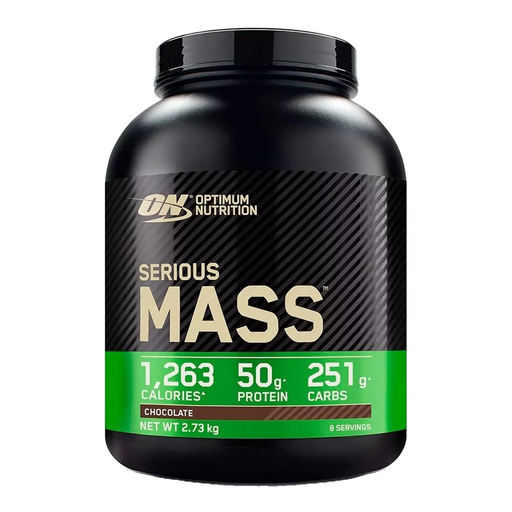
Why it suits this profile: Intended for adults who want to add plenty of extra calories and carbohydrates as well as protein, for example between meals or after a demanding workout.
The product information makes it clear that this isn’t a regular whey shake: one serving contains around 1,250–1,260 kcal, 50 grams of protein and more than 250 grams of carbohydrates.
High energy and carbohydrate content per serving; according to the product information, it contains creatine monohydrate, vitamins and minerals. Contains milk and soya.
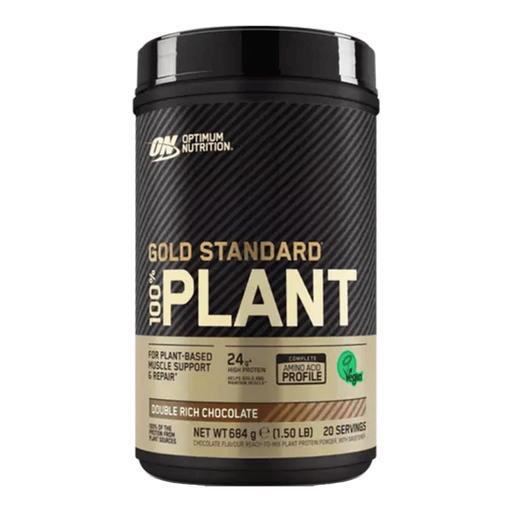
Why it suits this profile: A plant-based option for vegans, vegetarians and active people who prefer pea and rice protein to whey.
The ingredients list includes pea and rice protein. If you have allergies, check the warning about possible traces of milk, gluten, soya, egg, nuts and peanuts.
24 grams of plant-based protein per serving of around 36 grams; approximately 20 servings. Mix with water or a plant-based drink.
We’ve put together a complete, up-to-date list of products that meet these strict selection criteria and current European safety regulations.
A protein shake after exercise can be a convenient way to add extra protein to your daily diet. The exact timing matters less than your overall diet and how much protein you usually get from meals. Always follow the recommended serving size on the label.
The product information for the supplements mentioned states that protein contributes to the growth and maintenance of muscle mass. This doesn’t mean the powder builds muscle on its own. Regular resistance training, enough food and recovery are all part of the picture.
A large pack may work out cheaper per serving, but calculate this based on the price per gram of protein, not just the price per kilogram of powder. A sachet often costs more per serving, but reduces the risk of buying a large pack of a flavour you won’t use. Also check the actual number of servings and the recommended serving size.
