
Vandaag of morgen in huis

Kwaliteit gegarandeerd

Welkomstaanbiedingen ontgrendelen: GRATIS bezorging | Tot 80% korting | Gratis 30 dagen JoyPlus-proefperiode
Download de app
Chocolate-flavoured protein bars are everywhere. They promise a convenient and tasty way to boost your protein intake, ideal for post-workout recovery or as a filling snack. But the shelves are packed with options that look better than they actually are. Many bars are just glorified candy bars with a little extra protein.
As a Joybuy Product Recommendation Officer, I'll help you cut through the marketing hype. We'll look at what really matters, so you can make a choice that fits your goals without wasting money on a sugar bomb in a sporty wrapper.
Before you add a box of bars to your cart, it's wise to be aware of a few common deceptions.
You don't need to be a nutritionist to make the right choice. Pay attention to the following three points on the packaging.
This is the most important factor. A functional protein bar should contain significantly more protein than sugar.
A shorter ingredient list is often a good sign. Specifically, look for:
While this is subjective, reviews and product descriptions often provide an indication. Bars with multiple layers (like a caramel layer, crispies, and a chocolate coating) often offer a more pleasant eating experience than a solid, dense bar.
Based on objective specifications, we have highlighted a few popular choices that suit different profiles.
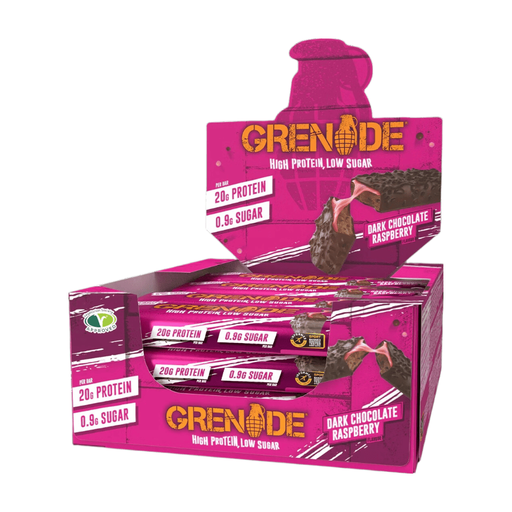
Why This Fits Their Persona: This person seeks maximum functionality: high protein for muscle recovery and minimal sugar. The Grenade bar is designed with performance in mind.
Tackles the "hidden sugar" trap with less than 2 grams of sugar per bar, making it one of the lowest-sugar options available.
Contains over 20 grams of protein per bar. The layered texture makes it a tasty high-protein snack.
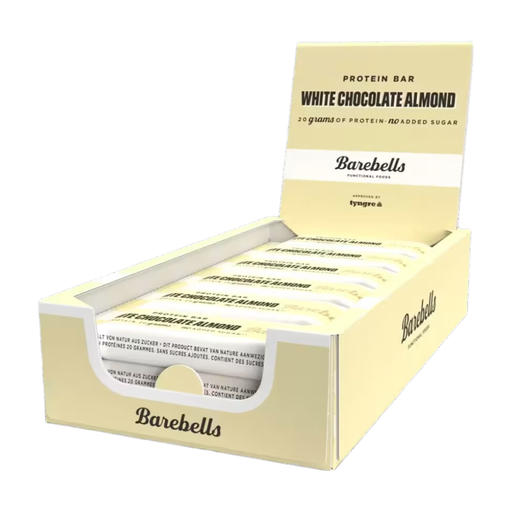
Why This Fits Their Persona: For those who want a protein bar that truly feels like a treat. Barebells is known for its soft texture and rich flavours, without the typical aftertaste of a protein bar.
Solves the "dry and chewy" pitfall. The texture is soft and the flavour is rich, making it a pleasure to eat, not a chore.
Delivers 20 grams of protein with a low sugar content. The combination of taste and nutritional value is the big winner here.
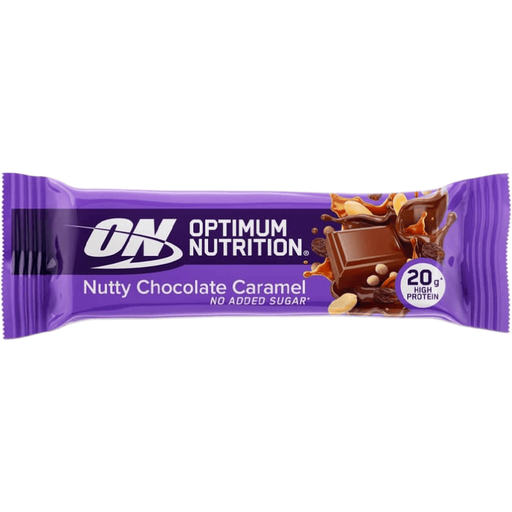
Why This Fits Their Persona: Ideal for anyone seeking a reliable, nutritious snack for on-the-go or between meals. This bar offers a great balance of protein, flavour, and a satisfying texture with peanuts and raisins.
This bar is not a one-dimensional protein source. The addition of nuts and fruit provides a more complex flavour and bite, making it more satisfying than a simple, sweet bar.
Contains 20 grams of protein and no added sugars. Suitable for vegetarians and comes from a renowned brand in sports nutrition.
We have compiled a complete, up-to-date list of products that fully meet these strict selection criteria and local regulations.
A protein bar is versatile. You can eat it:
Polyols like maltitol and erythritol are sugar alcohols used as sugar substitutes. They contain fewer calories and have less impact on blood sugar levels. They aren't necessarily unhealthy, but it's good to know that high intake can lead to bloating or flatulence in some people. This is highly individual.
Protein bars are not a magic bullet for weight loss. However, they can be a useful tool within a balanced diet. Protein provides a long-lasting feeling of satiety, which can help limit overall calorie intake. However, a bar replaces another snack or part of a meal; it's not a "free" extra. Ultimately, weight loss is about the total energy balance: burning more calories than you consume.
