
Anyone who already has a protein source
If you have quark, yoghurt or another protein source ready for after your workout, you could add flakes for a chocolatey flavour. De Ruijter suggests using its chocolate flakes with quark and yoghurt.


Choose chocolate flakes as a topping for something like quark or yoghurt, not as a replacement for a protein source or a ready-to-eat bar. If you want something you can take with you without any preparation, look for a bar and check the packaging, nutritional information and allergens. The Netherlands Nutrition Centre says that getting enough protein after intense exercise is important.
If you have quark, yoghurt or another protein source ready for after your workout, you could add flakes for a chocolatey flavour. De Ruijter suggests using its chocolate flakes with quark and yoghurt.
If you want to grab something from your bag straight after training, pay attention to the product format. The flakes on the Jumbo, PLUS, Lidl and ALDI product pages come in 200 g, 240 g or 300 g packs as bread toppings, not ready-to-eat bars.
If you want to add a small amount of chocolate, compare the sugar and nutritional values per 100 g, and decide how much you’ll actually use. Also check the allergens for the variant you choose.
First decide whether you want to put together a snack that includes a protein source, or whether you’d prefer a bar that needs no preparation. Then assess flakes based on portion size and nutritional information.
| What to consider | What to check before buying | Who it matters to |
|---|---|---|
| Protein source | Check the nutritional values per portion and consider what else will make up your snack. | After an intense workout, I want my snack to include a protein source rather than relying on flakes alone. For around 42% of consumers, protein would be their main consideration. |
| Portion size and sugars | Compare the sugars per 100 g and decide how many flakes to use as a topping. | I want to add a chocolate flavour but decide for myself how many flakes to have. Portion size would be the priority for around 33% of consumers. |
| Convenience on the go | Check the product format and whether you’ll need to take a container or other food with you. | If I want to eat something straight after the gym, I don’t want to portion out a topping first. Convenience on the go would be the main reason for choosing a product for around 25% of consumers. |
The flakes on the Jumbo, PLUS, Lidl and ALDI product pages are intended as bread toppings and come in packs ranging from 200 g to 300 g. That doesn’t give you a ready-to-eat snack for your bag.
If you want to take a single bar with you without any preparation, look in that product category and check the packaging and nutritional information for the bar you choose.
According to the PLUS product page, its dark chocolate flakes contain 63.8 g of sugars and 5.2 g of protein per 100 g; they may contain milk and lactose. So the word ‘dark’ doesn’t give you all the information you need to make your choice.
Compare the nutritional information and read the allergen details on the current label for the variant you’re buying.
A 200 g, 240 g or 300 g box of flakes isn’t a pre-measured portion. The amount you add will also affect the nutritional value of your snack.
Decide how much topping you’ll use in advance, then use the information per 100 g or per portion on the packaging to assess that amount.
Chocolate flakes sold for use as a bread topping and as a topping for quark, yoghurt or porridge.
The own-brand range includes dark chocolate flakes in a 300 g pack.
ALDI sells Kiekeboe chocolate flakes as a bread topping in milk or dark chocolate varieties, in 300 g packs.
If you’d rather have a bar than flakes as a post-workout snack, this bundle of five bars offers a different product format. Check whether you can take the bars with you individually.
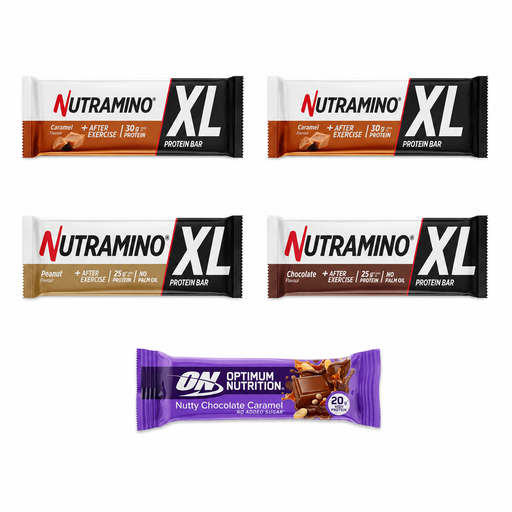 Image unavailable
A bundle for anyone who’d prefer a bar rather than chocolate flakes after a workout. If you want to take one with you, check whether each bar is individually wrapped, and read the nutritional information and allergen details for each variety.
Don’t rely on a small portion of chocolate flakes if you’re mainly looking for a protein source. The Netherlands Nutrition Centre says that getting enough protein after intense exercise is important. If you like, use flakes as a topping for something like quark or yoghurt, or have a regular meal that includes a protein source.
No. According to the Netherlands Nutrition Centre, most recreational exercisers don’t need a specialist protein bar if they eat a varied diet. Consider your diet as a whole rather than automatically choosing a bar as an extra.
The flakes on the Jumbo, PLUS, Lidl and ALDI product pages reviewed aren’t ready-to-eat bars. They’re bread toppings in 200 g, 240 g or 300 g packs. If you want to take them with you, you’ll need to portion them into a suitable container yourself. If you want a bar without that preparation, choose a different product format.
Read the current label for the variety you want to buy. The Netherlands Food and Consumer Product Safety Authority says that allergen information must appear on the label of prepacked foods. Don’t rely only on the word ‘dark’ or on an older pack.