
If you want to portion out chocolate for each guest
Using separate chocolate squares on plain toast lets you decide how much to serve on each piece. You will need to assemble the bites yourself, though.


Choose ready-made chocolate-coated toast only if the packaging clearly states what the product contains and how much is in a serving. If you want to control the amount of chocolate yourself, you can pair plain toast with separate chocolate squares. When combining the two, check the ingredients, allergens and storage instructions for both products.
Using separate chocolate squares on plain toast lets you decide how much to serve on each piece. You will need to assemble the bites yourself, though.
If you have questions about allergens or possible traces, the current packaging for both the toast and the chocolate is more important than just the product name or image.
Your choice of toast base is separate from the nutritional value of the chocolate topping. If nutrition matters to your decision, compare the nutritional information for both components.
First decide whether you want a product that is already coated or would rather add your own topping. Then compare the serving size, labels and format you want to serve the bites in.
| What to consider | What to check before buying | Who it matters to |
|---|---|---|
| Ready-made or add your own | Check whether the packaging actually states that the product has a chocolate coating. For separate chocolate squares, see how many servings the pack contains. | If I have little time to prepare, I want to know whether the bite is already assembled or whether I need to add the chocolate myself. Around 42% of consumers give this product format top priority. |
| Ingredients and allergens | Read the ingredients and allergen information for both the toast and the chocolate; also check for any warnings about traces. | If a guest needs to avoid certain ingredients, I want to be able to check both packs before serving anything. For around 33% of consumers, this check comes first. |
| Toast base and serving | Compare plain, wholemeal and multigrain options as a base. Also consider the shape of the toast and the storage instructions for the chocolate. | For a coffee table, I want to choose toast that goes well with the topping and is easy to serve. Around 25% of consumers consider the base and serving format most important. |
A search result for chocolate-coated toast may also show plain toast or a separate chocolate product. That does not tell you what is in the pack.
Check the product page and packaging to see whether a coating is explicitly mentioned. If it is not, choose a toast base and add separate chocolate yourself.
A cocoa percentage does not tell you whether the chocolate is suitable for someone who needs to avoid allergens. Albert Heijn's product information for Jacques Dark chocolate 60% Matinettes lists soya and possible traces of milk, barley gluten, hazelnuts or other nuts.
Before serving, read the latest allergen information for the chocolate and check the toast separately.
Wholemeal or multigrain describes the base you have chosen; on its own, it says nothing about the sugars or fats in toast with chocolate.
If the nutritional content affects your choice, compare the nutritional information per 100 g and, where provided, per serving for both components.
Voedingscentrum identifies bread baked with iodised baker's salt as an important source of iodine in the Netherlands. That does not mean every toast product contains iodised baker's salt.
Check the ingredients for the specific toast, and do not assume it contains iodine unless this is confirmed.
Worth considering if you are looking for Melba toast as a base. Jumbo lists several varieties, including plain and wholemeal.
Offers its own toast options, including Jumbo Knapperige Toast, alongside other products in the toast category.
Lists Melba toast and separate Jacques chocolate squares, which the product information says are intended for bread or toast.
Offers rusks and crackers, among other products, if you are considering a different crunchy base from toast.
These products are plain Melba toast to use as a base for a bite you put together yourself to enjoy with coffee. Add chocolate separately if you want to make this combination; the toast products themselves are not chocolate-coated.
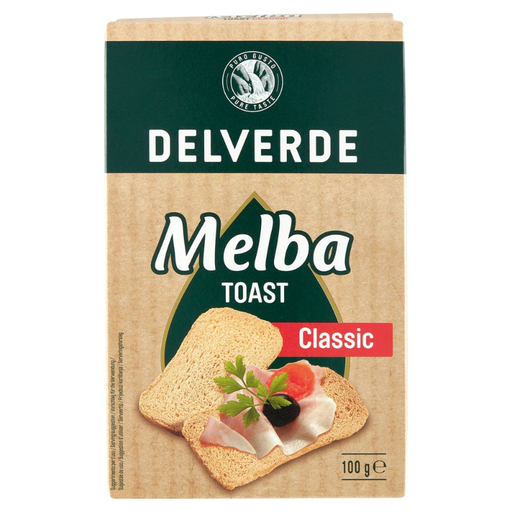 No image available
A plain toast base if you want to add the chocolate yourself for coffee time.
100 g pack. When you buy, check the latest ingredients and allergen information for this toast and your chosen chocolate separately.
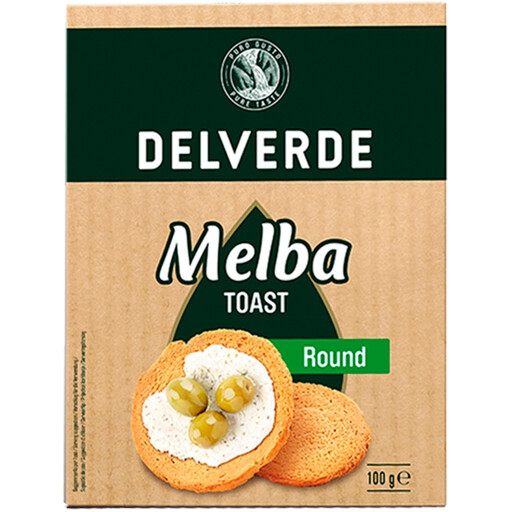 No image available
A round Melba toast base if you want to choose your own topping to enjoy with coffee.
100 g pack. For this combination too, check the ingredients and allergen information for the toast and chocolate separately.
Check whether the packaging explicitly describes the product as toast with a chocolate coating. A mention of toast in a search result is not enough: also read the ingredients, allergen information and serving details for the exact product.
Yes, if you want to assemble the bites yourself. Albert Heijn describes Jacques Dark chocolate 60% Matinettes as thin squares for bread or toast and lists a serving size of 8 g. Before serving, check the labels for both the chocolate and the toast.
Read the ingredients list, the allergens listed and any warnings about possible traces on both packs. The Netherlands Food and Consumer Product Safety Authority describes mandatory labelling for 14 allergens; a cocoa percentage is no substitute for these checks.
No, do not assume that it does. Voedingscentrum describes bread baked with iodised baker's salt as an important source of iodine in the Netherlands, but you should check the ingredients of the toast you actually choose.
Follow the storage instructions on the pack you choose. For Jacques Dark chocolate 60% Matinettes, Albert Heijn advises storing it in a cool place at 14–18 °C and keeping it dry; do not apply this guidance to other chocolate products without checking.