
Vandaag of morgen in huis

Kwaliteit gegarandeerd

Welkomstaanbiedingen ontgrendelen: GRATIS bezorging | Tot 80% korting | Gratis 30 dagen JoyPlus-proefperiode
Download de app
Ordering a bag of chocolate or a nut bar online might seem straightforward. Yet chocolate and nut snacks vary widely in their composition, portion size and when you might eat them. A large pack can look like good value, but it’s less practical if you’re after a single portion for on the go. What’s more, terms like “protein”, “no added sugar” or “with nuts” only really mean something once you’ve checked the nutrition table and ingredients list.
In this buying guide, we explain what to look for in chocolate bars with nuts, nut bars, protein-rich bars and granola. After that, you’ll find a selection of popular choices for home, on the go and during a film night.
A 200 g or 367 g bag is handy for sharing, but it can encourage you to eat bigger portions. So look at the weight per portion rather than just the total contents. Individually wrapped bars are generally easier to take with you and store than an opened bag.
A product might have a coating, chocolate pieces, cocoa powder or a filling. Check where chocolate appears in the ingredients list and what percentage of it is in the product. With milk chocolate and hazelnuts or chocolate with peanuts, the proportion of nuts also matters for flavour and texture.
A protein bar with chocolate can be high in protein, but it may also contain sweeteners, polyols or fibres that not everyone tolerates well. According to the product information from some brands, excessive consumption could have a laxative effect. What’s more, a product with “fewer carbohydrates” isn’t automatically suitable for every diet. Always compare the values per 100 g and per portion.
First, check whether the product suits your preferences and allergies. Many snacks contain milk, soya, peanuts, almonds or hazelnuts. Also look out for warnings such as “may contain traces of”. This note means cross-contamination during production is possible.
Examples:
Always use the packaging as your final check, because recipes and allergen information can change.
The values per 100 g make products comparable with each other. The portion size tells you what you’ll actually be eating. For example, Barebells Protein White Chocolate Almond contains 36 g of protein per 100 g, while one bar weighs 55 g. So the bar doesn’t provide 36 g of protein, but around 20 g based on the stated table.
Keep an eye on:
A “healthy nut snack” isn’t a fixed product category. Judge the product on its full composition and the portion you plan to eat.
Store chocolate in a cool, dry place, away from direct sunlight and out of the way of heat and moisture. Seal an opened bag well to keep its quality. When you receive your order, check the best-before information on the packaging and don’t use a product if the packaging is damaged.
For the sofa, sharing packs and larger tablets are practical. For work, school or travel, individually wrapped snack bars to buy online are often more convenient. Granola, on the other hand, is better suited to breakfast or as a topping than as a direct snack from the hand.
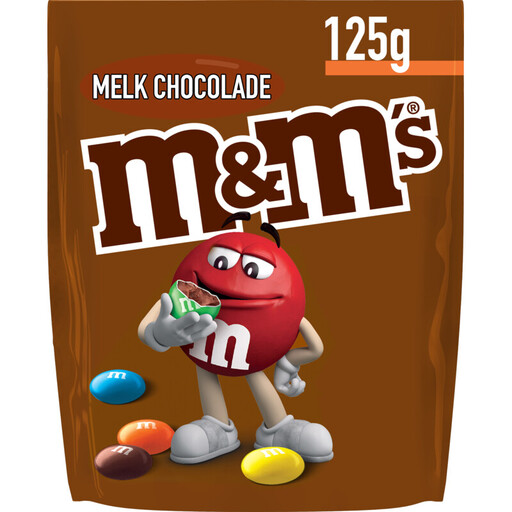
Why this suits the profile: The 125 g portion is a manageable size for a film night, visitors or a treat to share. The small chocolate drops can be eaten straight from the bag.
The total contents are clearly stated. Do bear in mind it contains 71 g of carbohydrates and 67 g of sugars per 100 g.
Bite-size format, milk chocolate and suitable for sharing.
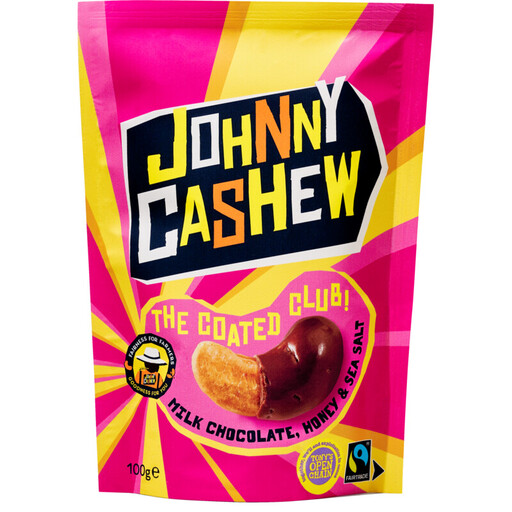
Why this suits the profile: For anyone looking for a combination of cashews, milk chocolate, honey and sea salt rather than a standard chocolate bar.
The proportion of cashews at 34.2% is stated in the product information. If you have an allergy, also check the note for soya, milk and possible peanuts.
100 g, 34.2% cashews and a clear sweet-salty flavour profile.
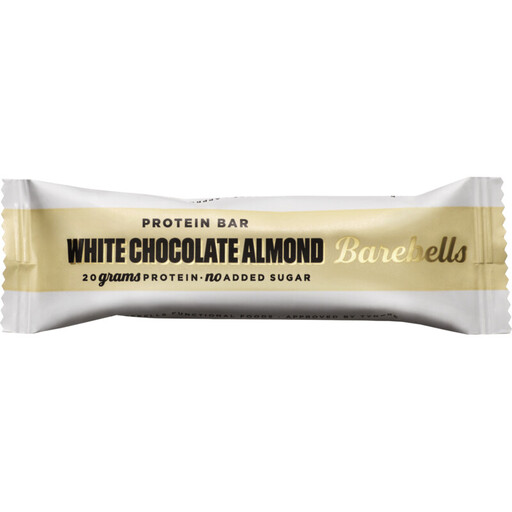
Why this suits the profile: A compact bar for after exercise, at work or on the go. The product information states 20 g of protein per 55 g bar.
The portion is clearly defined at 55 g. Do read the warning about sweeteners and possible laxative effects if consumed in excess.
36 g of protein per 100 g, white chocolate coating and almonds.

Why this suits the profile: Ideal for anyone who wants to combine chocolate, nuts and seeds with yoghurt or quark, or who chooses a small portion as a crunchy snack.
The packaging states 30 g per portion. The nutritional values per 100 g are 26 g of carbohydrates, 28 g of fibre and 21 g of protein.
350 g pack, 12 portions and a combination of soya, oats, hazelnuts, almonds and cocoa.
We’ve put together a full, up-to-date list of products that fully meet these strict selection criteria and comply with current European safety regulations.
Choose an individually wrapped bar of around 40 to 70 g. It takes up little space and the portion is clear in advance. On warm days, check whether the packaging offers protection against melting, and don’t store chocolate in a hot car for long periods.
No. Nut bars can contain not only nuts but also syrups, chocolate, sugar and fat. Look at the percentage of nuts, the amount of fibre, sugars and the portion size. A product that’s high in protein or fibre might suit your preference better, but that doesn’t automatically make it suitable for every consumer.
Store both products in a cool, dry place, away from direct sunlight and away from heat sources. Seal an opened bag of granola or chocolate well. Check the best-before date and the storage advice on the packaging. This helps to keep the flavour, texture and freshness for as long as possible.
