
Vandaag of morgen in huis

Kwaliteit gegarandeerd

Welkomstaanbiedingen ontgrendelen: GRATIS bezorging | Tot 80% korting | Gratis 30 dagen JoyPlus-proefperiode
Download de app
As a Joybuy Product Recommendation Officer, I see the vast array of cocoa and chocolate options available every day. From sprinkles for your toast to premium dark chocolate to pair with coffee. But this abundance can make choosing difficult. Packaging may promise a rich flavour, but the ingredients list often tells a different story. To help you make the right choice without falling into common traps, I've put together this guide.
Before you add anything to your cart, it's wise to be aware of a few common misconceptions. This will help you avoid disappointment and ensure you get value for your money.
You don't need to be a label expert to make a good choice. Pay attention to the following three points, and you'll know exactly what you're buying.
This number is the most important indicator of flavour intensity. It tells you how much of the product actually comes from the cocoa bean (cocoa mass and cocoa butter).
The order of ingredients is telling. Whatever is listed first is the most abundant. In a high-quality chocolate bar, you expect cocoa mass or cocoa butter to be one of the first ingredients. With many types of chocolate sandwich toppings, you'll often see sugar and vegetable oils listed first. Cocoa butter provides that signature melt-in-your-mouth sensation, whereas other fats can create a different texture.
Not every chocolate product is suitable for every purpose.
To get you started, we've highlighted a few products that suit different needs and users.
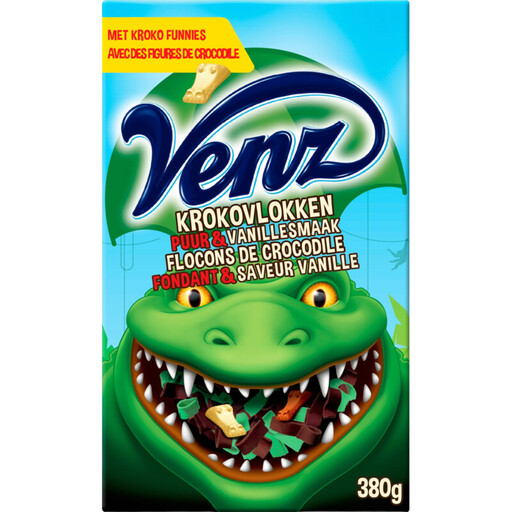
Why This Fits Their Persona: Ideal for a quick and fun breakfast. The combination of chocolate flakes and colourful 'funnies' makes it a favourite with kids. Easy to sprinkle on toast or mix into yoghurt.
The packaging is clear about its contents: a mix of flakes and fun shapes. The product states that the chocolate flakes contain at least 32% cocoa solids and are made with Rainforest Alliance certified cocoa.
Versatile in use, and the playful addition of 'kroko funnies' makes breakfast a treat.

Why This Fits Their Persona: For those seeking an intense and complex flavour. This bar isn't for quick consumption but for savouring, perhaps with a cup of coffee or a glass of red wine.
No deception here. The 85% cocoa content is displayed prominently on the packaging. The ingredients list is short and starts with cocoa mass, not sugar. This is dark chocolate as it should be.
A powerful, rich cocoa flavour with a low sugar content. The thin profile of the bar enhances the sophisticated tasting experience.
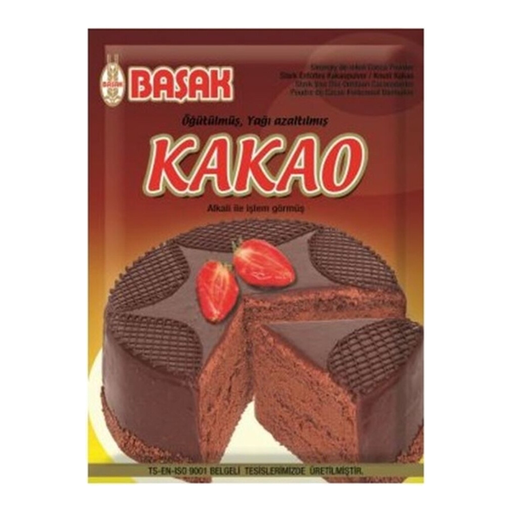
Why This Fits Their Persona: An essential ingredient for anyone who loves to bake. This pure cocoa powder is the foundation for brownies, chocolate cake, or homemade hot chocolate. You have complete control over the flavour and sweetness.
This product bypasses the pitfall of ready-made mixes loaded with sugar. It's pure cocoa powder, with no additives. This way, you know exactly what you're adding to your recipes.
According to the manufacturer, this powder is made from premium cocoa beans and stone-ground for an authentic, deep chocolate flavour in all your baked goods.
We have compiled a complete, up-to-date list of products that meet these selection criteria and comply with current regulations.
True chocolate sprinkles must contain a certain percentage of cocoa butter. Compound chocolate sprinkles use other vegetable fats, like hydrogenated palm fat. This affects the flavour and how the sprinkles melt. Real chocolate sprinkles often have a richer taste and a smoother texture.
Chocolate is best stored in a cool, dry, and dark place, ideally between 15 and 18 degrees Celsius (59-64°F). Do not store it in the refrigerator; the humidity can cause a white film (sugar or fat bloom) to form on the chocolate, and it can absorb odours from other products.
This depends on your recipe. For an intense, deep chocolate flavour in brownies or a lava cake, a dark chocolate with 70% cocoa or higher is a good choice. For chocolate cookies or a milder cake, a percentage between 50% and 60% is often sufficient. Pure cocoa powder gives you the most flexibility.
