
A study group with bread or yoghurt
You’re laying out a topping for bread, crackers, yoghurt or porridge while you study, rather than something to pass around and eat straight from the pack.


Chocolate flakes are a good fit for a group revision session if you plan to serve them on bread, crackers, yoghurt or porridge. A larger box gives you more to share, but it isn’t a sharing bag of snacks. If everyone wants something they can eat on its own, choose a ready-to-eat snack.
You’re laying out a topping for bread, crackers, yoghurt or porridge while you study, rather than something to pass around and eat straight from the pack.
You want enough for the group, so you compare the net weight of each pack.
If ingredients or allergens matter to anyone in the group, read the packaging for the product you’ve bought before serving it.
First, decide whether the group wants a topping or a ready-to-eat snack. If you choose flakes, consider the quantity and flavour, then check the label before sharing.
| What to consider | What to check before buying | Who it matters to |
|---|---|---|
| How you’ll eat them | Check whether you’ll have bread, crackers, yoghurt or porridge ready. Choose a different type of snack if everyone wants to eat straight from a pack. | I want to hand something round while we study without having to prepare bread or bowls first. Around 40% of consumers put this use case first. |
| Quantity | Compare the net weight of each pack and work out how many boxes the group will need. | For several people, I want to put out enough topping without overestimating how much is in a box. For around 30% of consumers, quantity is their main concern. |
| Flavour | Ask whether the group prefers milk, dark, white or a mix, then check which variety you’re actually buying. | If the group wants different chocolate flavours, I don’t want to choose just one without asking. This is the main consideration for around 20% of consumers. |
| Label | Read the ingredients and allergen information on the packaging for the product you’ve bought before sharing. | If ingredients or allergens are a deciding factor for someone in the group, I want to be able to check the label myself. For around 10% of consumers, this is their main concern when buying. |
Jumbo and Joybuy list chocolate flakes as bread toppings or sprinkles. A bigger box doesn’t automatically make them suitable for handing round and eating on their own.
Decide in advance what you’ll serve the flakes on. If the group wants to snack without anything to eat them with, choose a ready-to-eat product.
To use them as a topping, you’ll also need to provide bread, crackers, yoghurt or another base.
200 g, 240 g and 300 g packs contain different amounts; the outside of the box won’t tell you how much topping you’ll have.
Check the net weight and work out how many packs will suit the group. Check the flavour and label separately.
Albert Heijn warns that online information about ingredients and allergens can change. This is especially important if anyone in the group has a food allergy.
Before sharing, read the ingredients and allergen information on the current physical packaging. Don’t rely only on the flavour name or an older product page.
Milk, dark, white and mixed varieties are different options. One pack may not suit everyone’s preferences.
Ask which variety people would like in advance, then decide whether one flavour, a mix or several packs would be best.
Chocolate flakes in varieties including milk, dark and white, as well as Royaal extra dark.
Own-brand chocolate flakes in 300 g boxes, including milk, dark and a mixed variety.
Fairtrade own-brand chocolate flakes in milk and dark varieties, both listed as 300 g boxes.
Kiekeboe chocolate flakes in milk or dark, listed in 300 g packs.
Milk chocolate flakes in a 300 g pack.
A range of De Ruijter varieties in store, including milk, dark, white and Royaal extra dark.
These Joybuy products are suited to a study session where you’ll serve chocolate flakes or other chocolate sprinkles with bread, yoghurt or another base. When choosing, consider the product type, flavour and net weight: chocolate chunks and sprinkles aren’t the same as flakes.
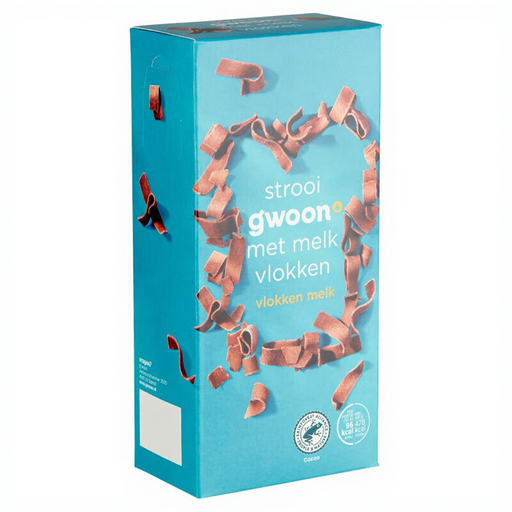 No image available
For a group that wants to serve milk chocolate flakes on bread. The pack contains 300 g; provide the base separately and check the current label before sharing.
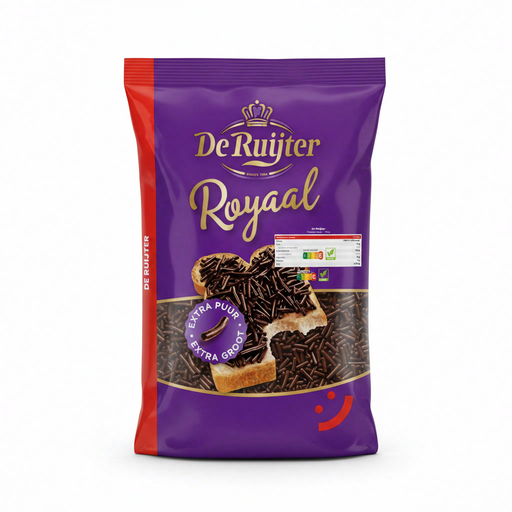 No image available
Chocolate chunks for anyone who wants a topping for bread or yoghurt, in a 390 g pack. These aren’t chocolate flakes, so check that this product type is what the group wants to serve.
 No image available
For a group that wants to use dark chocolate sprinkles as a topping. The pack contains 390 g; check the product type if you’re specifically looking for flakes, and read the label before sharing.
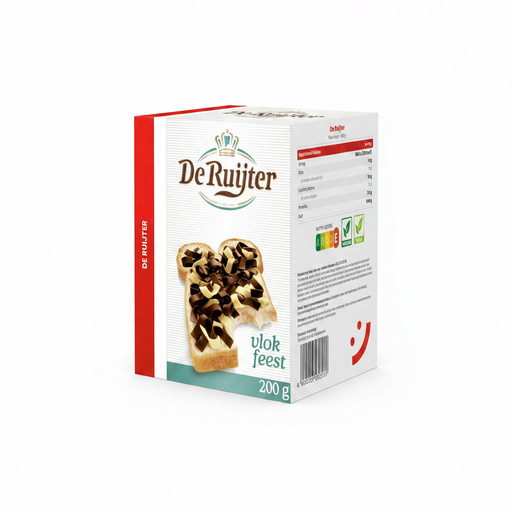 No image available
A mix of chocolate and vanilla flakes to use as a topping. The pack contains 200 g; decide whether that’s enough for the group and check the label before serving.
 No image available
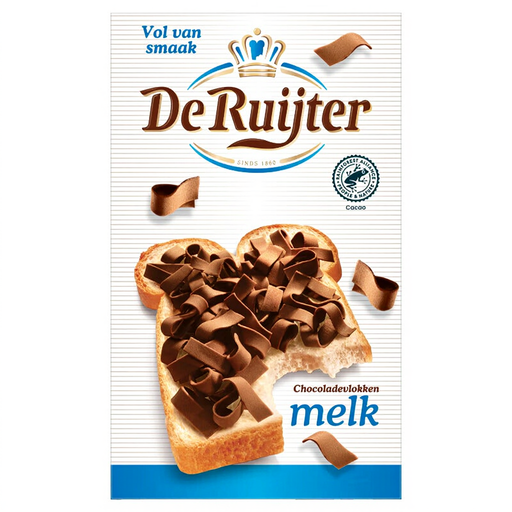
For anyone who wants to serve milk chocolate flakes on bread or yoghurt. The pack contains 200 g; choose the number of packs to suit the group, and check the current label if anyone has an allergy.
Chocolate flakes are mainly intended as a bread topping or sprinkle, not necessarily as a ready-to-eat snack to share. Put out bread, yoghurt or another base, or choose a different product if everyone wants something they can eat without any preparation.
Not always: the amount you need depends on what you’re serving and how many people there are. Jumbo, PLUS, ALDI and Lidl list 300 g boxes; compare the net weight and preferred flavour before choosing.
Read the allergen information on the current packaging before serving the product. The Netherlands Food and Consumer Product Safety Authority explains that allergens must be clearly listed on food labels; if someone has a food allergy, don’t rely on the product name alone.
Check the current packaging if ingredients or allergens are important to your choice. Albert Heijn warns that online product information about these can change.