
If you serve chocolate flakes at the table
You want to put out a small amount for breakfast or as a topping. Look for a jar and lid intended for contact with food, and choose a size that suits the amount you want to serve.


If you’re serving chocolate flakes as a topping at the table, a small glass food storage jar is a good option, as long as it holds the amount you need. If you want to carry it in a gym bag, check the seal too, and consider whether you can protect the glass in transit. A screw-top lid or a food storage label alone doesn’t prove that a jar is leakproof or impact-resistant.
You want to put out a small amount for breakfast or as a topping. Look for a jar and lid intended for contact with food, and choose a size that suits the amount you want to serve.
You want to keep a portion of flakes separate without the glass jar knocking against your other belongings. Check the seal and whether you can protect it in your bag before choosing glass as a container to take with you.
You might be choosing between dark, milk and white flakes, and want to know which pack suits your stores. Jumbo, PLUS and Albert Heijn list packs of 200 g, 240 g and 300 g for specific products. Check the label of the variety you choose for ingredients and allergens.
First decide whether you’ll mainly serve the flakes at the table or take them with you in a bag. Then choose a suitable jar size and compare the flakes’ labels.
| What to consider | What to check when buying | Who this matters most to |
|---|---|---|
| Carrying it in a gym bag | Is the jar intended for food storage? How does the lid close, and can you keep the glass separate from hard items? | If I take flakes with me, I want to stop the jar knocking against my other belongings. Around 40% of consumers prioritise protected, practical transport. |
| Dry storage and jar size | Compare the jar’s capacity with the amount of flakes you want; follow the storage instructions on the packaging. | I want to store an amount that I’ll actually use. Around 30% of consumers pay most attention to dry storage and a suitable size. |
| Portion, flavour and label | Read the ingredients, allergen and nutrition information for the exact variety, both per 100 g and per portion if listed. | I want to measure out a topping and know what’s in the flakes I’ve chosen. Portion, flavour and labelling are the top priorities for around 30% of consumers. |
A jar may look suitable without making it clear whether the parts that touch the flakes are intended for contact with food.
Choose a jar that the supplier expressly describes as suitable for food storage, and check the information about the lid or insert too.
A screw-top lid or a food storage label doesn’t tell you how well the glass will withstand knocks from other gym gear.
Check the specifications of the exact jar. Only take glass with you if you can keep it separate and protected.
According to Jumbo, the De Ruijter Royaal variety listed contains soya and may contain milk. For the white flakes mentioned, PLUS lists milk, lactose and soya.
Check the current label for the exact variety every time you buy, even if you already know the brand.
A capacity in millilitres doesn’t tell you how many grams of your flakes will fit. The storage instructions for the flakes also still matter if you decant some of them.
Decide how much you want to serve or take with you, then choose the jar size and store the remaining flakes according to the packaging.
Jumbo, PLUS and Albert Heijn list a range of De Ruijter flakes, including dark, milk and white varieties in different pack sizes.
Jumbo’s chocolate flakes category lists own-brand varieties and De Ruijter products, with pack weights shown for individual items.
ALDI Netherlands lists Kiekeboe milk or dark chocolate flakes in a 300 g pack.
Albert Heijn’s chocolate flakes listing includes several De Ruijter varieties, with pack sizes of 200 g, 240 g and 300 g.
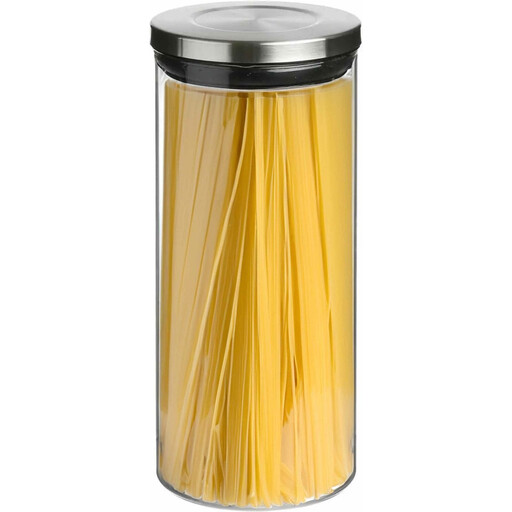
These glass jars and storage containers come in different sizes for storing or serving dry flakes and a measured topping. If you’re using one in a gym bag, don’t choose based on capacity or lid type alone: protecting the glass in transit matters too.
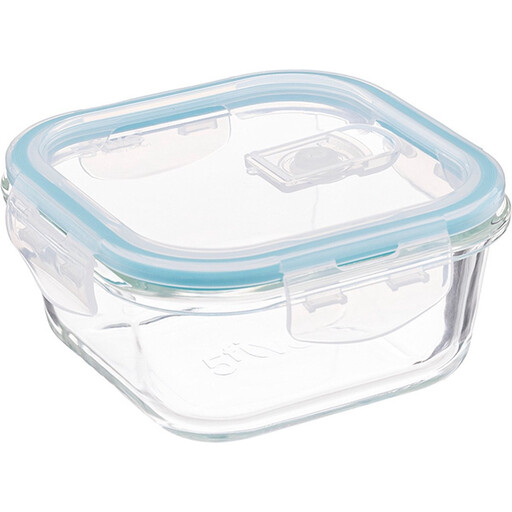 No image available
An option if you want to set aside a measured amount of dry flakes for a topping. Before taking it with you, check how the container closes and whether you can carry it safely protected.
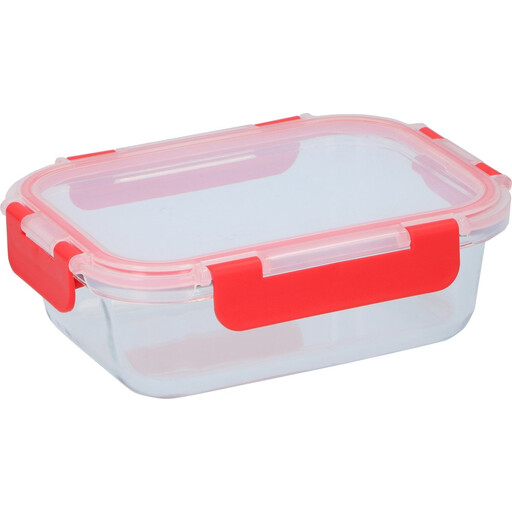 No image available
A storage container for measuring out or serving flakes at home. For this version, check the material and whether the parts of the lid that touch the contents are suitable for contact with food; assess how to carry the glass separately.
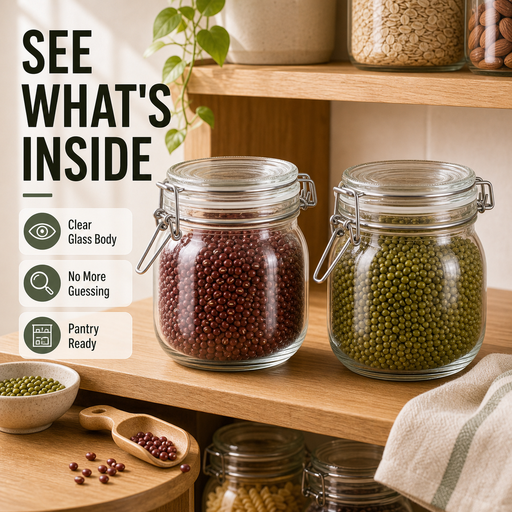 No image available
For storing dry flakes in separate jars or setting them out on the table. The product name specifies a silicone seal and clamp lid, and says the jars are not dishwasher-safe. Check that the size suits your portion, and protect the glass when carrying it.
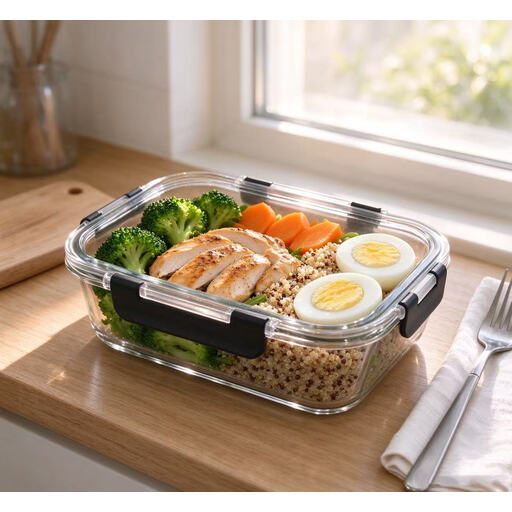 No image available
The two sizes let you choose a smaller container for a measured topping and use the larger ones to store a different amount. The product name specifies five containers of each size and snap-on lids; check separately how you can protect a glass container when carrying it.
 No image available
Its stated capacity makes this more suitable for storing or serving flakes than for carrying a small portion in a gym bag. Compare the size with the amount you want to store, and check the seal for your intended use.
Choose a jar intended for food storage if the glass or lid will touch the flakes. The Netherlands Food and Consumer Product Safety Authority treats items that come into contact with food as food contact materials, so check what the jar is intended for and which parts touch the contents.
Only consider it if you can protect the glass in transit and the seal suits how you’ll use it. GymBeam describes its 380 ml jar as a glass jar with a screw-top lid for snacks; those features alone don’t show how well it will hold up among hard items in a full gym bag.
Follow the instructions on the packaging for your variety, and store the flakes in a dry place if the label says to. The Netherlands Nutrition Centre recommends keeping opened dark chocolate flakes in a kitchen cupboard for up to a year and says the freezer is less suitable for storage. This advice doesn’t replace the date and instructions on your packaging.
Don’t assume they do: check the current label for the exact variety. Jumbo lists soya and possible traces of milk for the De Ruijter Royaal variety mentioned; PLUS lists milk, lactose and soya for the white flakes mentioned.
A product name or a glass jar doesn’t make them a sports nutrition product. PLUS describes milk chocolate flakes as a topping for yoghurt, quark and porridge, among other things; consider the portion and nutrition information alongside the rest of what you eat.