
School fair organisers planning lots of portions
If you’re buying ingredients for several batches, you’ll want to know how many flakes your recipe needs and how many packs to buy.


For a school fair, start by working out how many batches you’ll make and how many flakes you’ll need per batch. 300 g packs are a useful unit for calculating how many you need when buying several. Then choose between milk and dark chocolate, and check before buying whether you can get enough of the same variety and what allergens are listed on the label. Chocolate sprinkles and chocolate chunks are different types of topping, so only choose them if they suit your recipe.
If you’re buying ingredients for several batches, you’ll want to know how many flakes your recipe needs and how many packs to buy.
If you use flakes on unpackaged cupcakes or rolls, you need to be able to match the information on the pack you used to the right bake. The Netherlands Food and Consumer Product Safety Authority highlights the need to provide information about 14 allergens for unpackaged foods.
If you want a visibly dark chocolate topping, the variety you choose may matter more than giving all your bakes a uniform finish. Check whether you can get enough flakes in the quantity you need.
First, work out how much you need for the school fair. Then decide which variety to use for each recipe, so your planning and allergen information stay aligned.
| What to consider | What to check before buying | Who this matters to |
|---|---|---|
| Amount per portion | Make a test portion and use it to calculate the total weight you’ll need. | If I’m making lots of cupcakes or rolls, I don’t want to switch toppings halfway through. Around 36% of consumers put the quantity needed for all portions first. |
| Pack size and availability | Check the net weight and whether you can get enough packs of the same variety. | For a uniform finish, I need enough packs of exactly the same type. For around 29% of consumers, this consistency matters most. |
| Allergen information | Read the current label on every variety you use and keep the information together for each recipe. | When I sell unpackaged bakes, I want to be able to tell visitors which ingredients I’ve used. For around 21% of consumers, this information is the top priority. |
| Taste and appearance | Choose milk or dark chocolate for the recipe in question and check a test portion. | I want the topping to suit the flavour and look of my bake. Around 14% of consumers put this choice ahead of the other considerations. |
A listing doesn’t always tell you whether you can get enough packs in time. For example, Lidl describes its chocolate flakes on the product page as an in-store item; the De Ruijter Royaal listings checked at Jumbo and Albert Heijn were marked as no longer available in the range.
Check whether you can buy the product before building all your recipes around one variety. Also make sure any alternative will work for the ingredient information for your bakes.
A last-minute substitute could mean an extra trip to the shops and a new allergen information sheet.
Visitors need allergen information when you sell unpackaged food. The Netherlands Food and Consumer Product Safety Authority says this should include information about 14 allergens; you can’t automatically use the label for one variety to provide information about another.
Make a note of the pack you actually used for each recipe, and keep its ingredient and allergen information to hand.
De Ruijter Royaal extra dark is a specific variety to consider if you’re looking for dark chocolate flakes to finish your bakes.
Jumbo lists its own chocolate flakes in dark and milk varieties, in 300 g packs.
PLUS lists dark chocolate flakes in a 300 g pack.
ALDI lists Kiekeboe chocolate flakes in milk and dark varieties, in 300 g packs.
Lidl lists 300 g packs of dark chocolate flakes as an in-store item.
For the school fair, the chocolate flakes below are shown alongside chocolate sprinkles and chocolate chunks. When choosing, consider the difference between these toppings, the net weight on the pack and the allergen information for the variety you use.
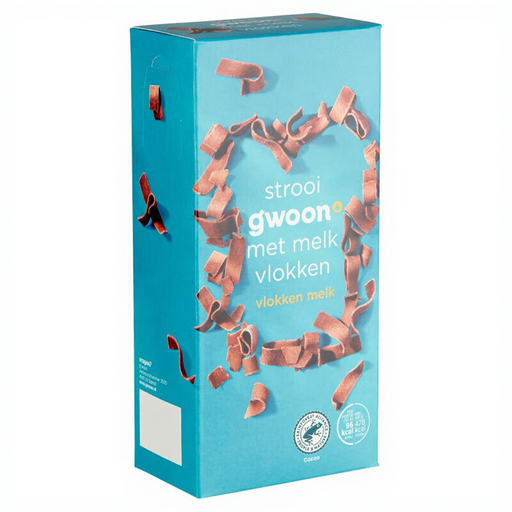 No image available
A milk chocolate variety for anyone looking to top school fair bakes with chocolate flakes.
The product name lists 300 g. Check the net weight and allergen information on the pack you receive before deciding how many to buy.
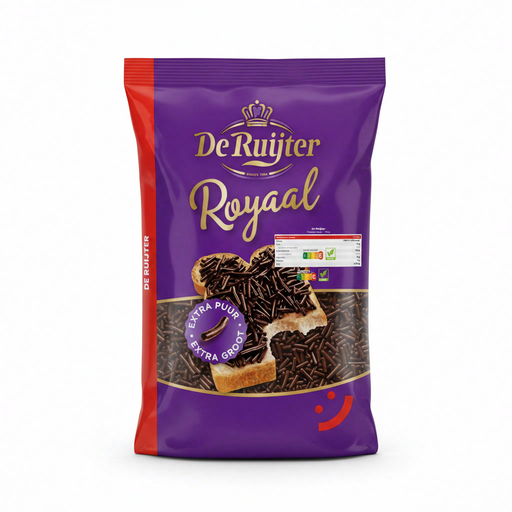 No image available
Chocolate chunks are a different topping from chocolate flakes, so choose them if that shape suits your bake.
The pack is listed as 390 g. Check the label for the ingredients and allergens in this variety.
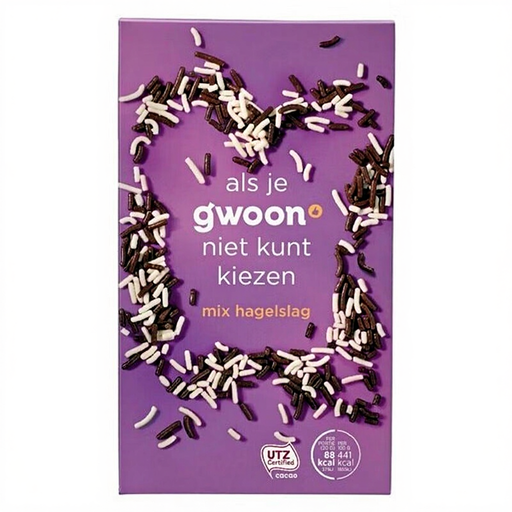 No image available
For anyone who’d like to use shaped sprinkles instead of chocolate flakes.
The product name lists 600 g. Check the pack to make sure the ingredients and allergens suit your recipe plans.
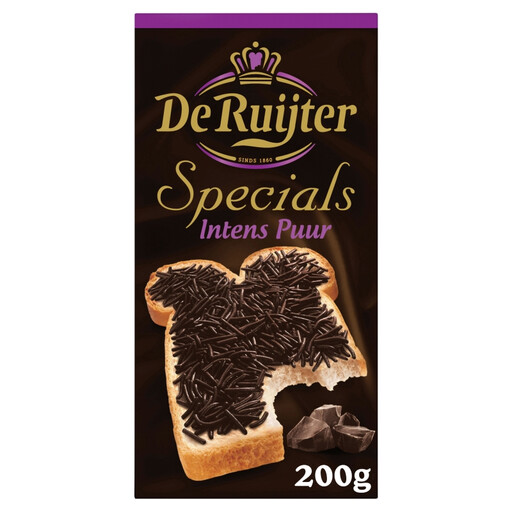 No image available
A dark chocolate sprinkles option to consider if your recipe doesn’t specifically call for chocolate flakes.
The product name lists 200 g. Work out how many packs you’ll need for your planned portions, and read the current label.
 No image available
For a dark chocolate sprinkles finish when that shape suits your bakes.
The product name lists 390 g. Check the ingredients and allergens on the pack you’ll use for the school fair.
Make sure visitors can get allergen information for the cupcakes you’re actually selling. For unpackaged foods, the Netherlands Food and Consumer Product Safety Authority highlights the need to provide information about 14 allergens. So, note the ingredients for each recipe and check the label on every pack you use.
No. A vegan label on its own doesn’t guarantee that a product won’t say it may contain milk. For example, the listing for PLUS dark chocolate flakes says they may contain milk and lactose. For your allergen information, use the current label on the exact pack you bought.
First, make a test portion using the amount of topping you want, then calculate the total for all the portions you’re planning. Divide that total by the net weight of your chosen pack, and check whether you can get enough packs of the same variety.