
Families who make lots of sandwiches
If flakes are a daily sandwich topping, compare the pack size, flavour and label of products sold for this purpose. Several 300 g packs may be a better fit than one bag sold for decorating desserts.


If the flakes are mainly for sandwiches, choose flakes intended as a topping for bread and buy several packs if needed; a larger pack isn’t automatically the same type of product. A 1 kg pack may suit you if you’re decorating lots of cakes or desserts, provided you check the intended use, ingredients and allergens for each product.
If flakes are a daily sandwich topping, compare the pack size, flavour and label of products sold for this purpose. Several 300 g packs may be a better fit than one bag sold for decorating desserts.
A larger format can be handy if you’re decorating lots of cakes, ice cream or mousses. Baktotaal describes the 1 kg Callebaut Pailletés pack as suitable for these uses; check that it works with your recipes.
Check each flavour separately, especially if you’re serving others. For example, PLUS says its dark chocolate flakes may contain milk and lactose; the word ‘dark’ doesn’t mean you can skip checking the label.
Choose these: if the flakes are mainly for sandwiches; the supermarket products reviewed include 300 g packs.
Bear in mind: if you use a lot, you may need several packs.
Choose these: if you’re decorating lots of cakes or desserts; Baktotaal describes 1 kg Callebaut Pailletés as suitable for decoration.
Bear in mind: this intended use doesn’t automatically make the product interchangeable with flakes for bread.
| What to consider | What should you check? | Who is it important for? |
|---|---|---|
| Use as a bread topping | Check the product type and flavour. | If the flakes are going on sandwiches every day, I want a product sold as a bread topping. This is the main consideration for around 33% of consumers. |
| Pack size | Compare the net weight with how much you expect to use and the storage space you have available. | When doing a big family shop, I want to know how many packs I need without opening more stock than I can store. Around 27% of consumers prioritise this kind of planning. |
| Dessert decoration | Check whether the flakes are intended for your dish and how much you’ll need. | For a dessert buffet, I’m mainly looking for enough decorative toppings for the dishes I’ve planned. This is the top priority for around 20% of consumers. |
| Ingredients and allergens | Read the current ingredients list and allergen information for the flavour you’ve chosen. | When I’m serving others, I need to check first which ingredients and allergens are relevant to them. Around 20% of consumers prioritise these checks. |
Baktotaal describes the 1 kg Callebaut Pailletés as being for decorating cakes and desserts. The larger pack size alone doesn’t tell you whether they’re suitable for sandwiches.
Choose according to how you intend to use them: for bread, start by looking at products sold as bread toppings.
A 200 g, 240 g or 300 g pack won’t tell you whether its flavour and intended use suit your needs.
Compare the net weight only after you’ve established that the products are suitable for the same purpose.
PLUS says its dark chocolate flakes may contain milk and lactose. A flavour description is no substitute for checking the allergen information.
Check the label of the exact product you’re going to use each time you buy, especially if you’re serving guests.
If you buy several packs, bear in mind the storage instructions and how quickly you’ll use them.
Estimate how much you’ll use and follow the instructions on the packaging. For the flakes reviewed, PLUS recommends storing them in a cool, dry, dark place.
Chocolate flakes in different pack sizes and varieties, for shoppers looking for a particular flavour or cocoa content.
Own-brand flakes for bread, including 300 g packs of dark chocolate flakes.
Own-brand flakes in dark and milk chocolate varieties, in 300 g packs.
ALDI lists Kiekeboe chocolate flakes in milk or dark varieties, in 300 g packs.
1 kg Pailletés Puur, described by Baktotaal as suitable for decorating cakes and desserts.
This selection of Joybuy products includes flakes and other toppings in a range of pack sizes. Check the product type before choosing chocolate sprinkles or a topping instead of flakes for bread.
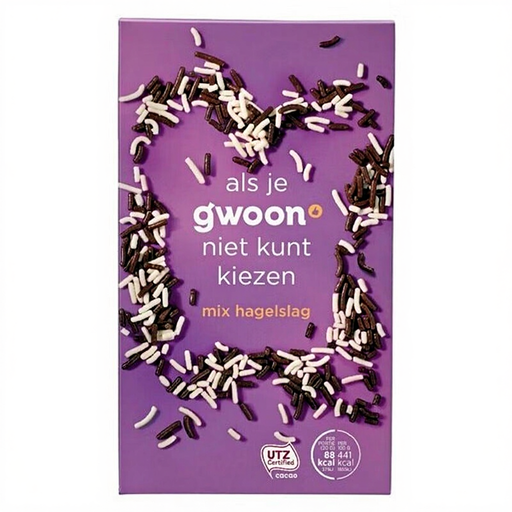 Image unavailable
A good option if you’re looking for a topping for bread and would like to consider a 600 g pack. These are chocolate sprinkles, not flakes; check the ingredients and allergens on the packaging.
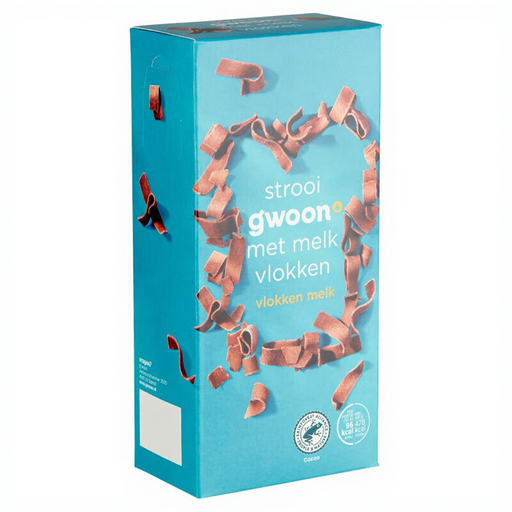 Image unavailable
A good option if you’re looking for flakes to put on bread. The pack contains 300 g; if you use a lot, you can work out how many packs you need and check the allergens on the label.
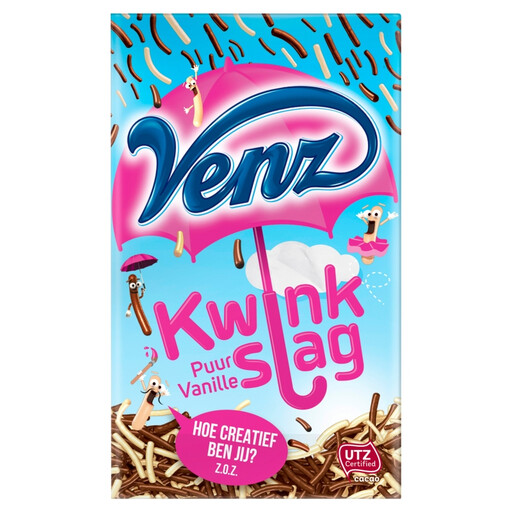 Image unavailable
A good option if you’re looking for a topping for bread or something sweet to sprinkle over desserts. The pack contains 400 g; check the exact ingredients and allergens in this combination on the packaging.
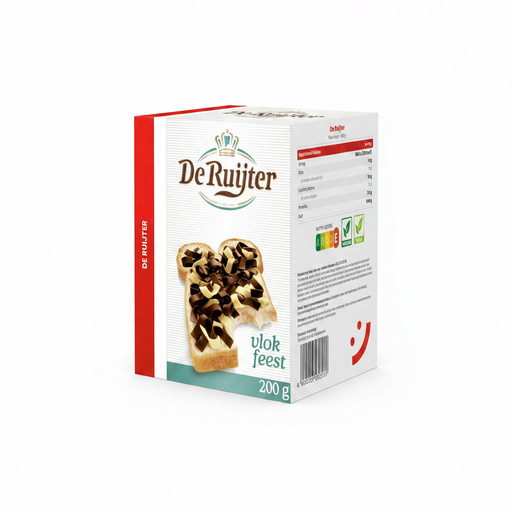 Image unavailable
A good option if you’d like a mix of chocolate and vanilla flakes for bread or breakfast dishes. The pack contains 200 g, so you may need several if you use a lot; remember to check the allergen label too.
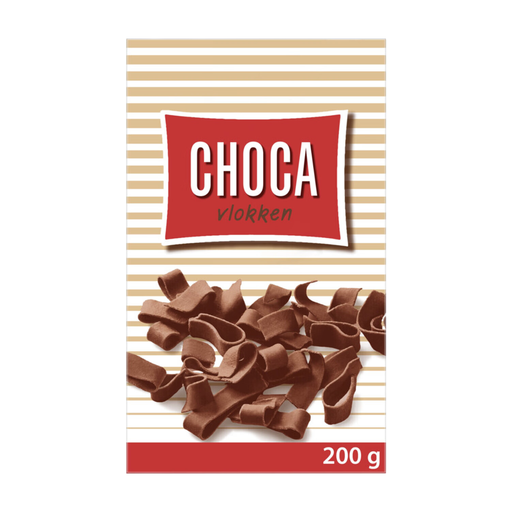 Image unavailable
A good option if you’re looking for flakes to put on bread or stir into yoghurt. The pack contains 200 g; if you use a lot, plan how many packs you’ll need and read the allergen information on the label.
Don’t assume so: Baktotaal describes 1 kg Callebaut Pailletés as suitable for decorating cakes and desserts. If you want to use them on bread, first check the intended use, ingredients and product characteristics.
Follow the instructions on each pack and buy an amount that matches how much you use. For the dark and milk chocolate flakes reviewed, PLUS recommends storing them in a cool, dry, dark place; for De Ruijter Royaal, Jumbo says to press the packaging closed carefully after use.
Not necessarily: PLUS says its dark chocolate flakes may contain milk and lactose. Check the current allergen information for the specific variety, especially if you’re buying for someone with an allergy.
Check the allergen information for every product you use, as well as for the finished dish. The Netherlands Food and Consumer Product Safety Authority stresses the importance of clear allergen information on labels; according to the Netherlands Nutrition Centre, guests should be able to ask which allergens are present in unpackaged products.