
Shoppers who prioritise organic products
You want to check the organic status of the specific topping and are open to chocolate sprinkles if that means giving up the flake shape.


When choosing chocolate flakes for a night in front of the TV, don’t assume they’re organic based on their shape, flavour or another certification mark. Check the organic label on the exact product. If organic is your priority and you’re happy with a sprinkle shape, organic chocolate sprinkles could be an alternative. If you specifically want flakes, check the ingredients, allergens and nutritional information for your chosen variety separately.
You want to check the organic status of the specific topping and are open to chocolate sprinkles if that means giving up the flake shape.
You’re mainly after chocolate flakes to enjoy as a snack or as a topping for yoghurt, quark or a dessert. The shape and flavour variety matter more to you than an organic label.
You’re looking for a sweet topping, but want to check the ingredients, sugars, nutritional information and allergens for each variety first.
When to choose: Go for this option if a verifiable organic label matters more to you than the flake shape, and chocolate sprinkles suit your snack.
Trade-off: Chocolate sprinkles have a different shape and texture. Also check the latest product information before choosing a specific variety.
When to choose: Choose flakes if that’s the shape you specifically want, for example as a topping for yoghurt or dessert.
Trade-off: Don’t assume standard flakes are organic unless the specific product is labelled as such.
| What to consider | What to check | Who it matters to |
|---|---|---|
| Organic status | Check the organic label on the exact product and, where applicable, the EU organic logo and the name of the inspection body. | If I only want an organic topping, I’d rather choose chocolate sprinkles than flakes whose organic status I can’t verify. Organic status is the top priority for around 39% of shoppers making this choice. |
| Shape and flavour | Compare flakes with chocolate sprinkles and choose the flavour you want to use. | For my TV snack or dessert, I specifically want flakes rather than sprinkles. Around 23% of shoppers give shape and flavour top priority. |
| Ingredients and allergens | Read the ingredients and allergen information on the current packaging. Compare sugars and other nutritional values per 100 g. | I want to know what’s in my topping before serving myself, especially if an allergen is relevant to me. This is the main concern for around 23% of shoppers. |
| Availability and pack size | Check the current product status and the quantity in each pack, especially if you’re switching from flakes to chocolate sprinkles. | I want a pack that’s actually available and suits the way I use the topping. This matters most to around 15% of shoppers. |
Fairtrade Cocoa and Rainforest Alliance certification do not, on their own, confirm that chocolate flakes are organic.
Check the organic label on the specific product. According to the European Commission, the EU organic logo may only be used on products certified as organic by an authorised inspection body.
An organic label doesn’t tell you how much sugar a serving of chocolate sprinkles contains.
Compare the nutritional information per 100 g and check separately how much you sprinkle over your yoghurt or dessert.
Organic chocolate sprinkles won’t give you the flake shape you might be looking for.
Before you choose, decide whether organic status or the shape of chocolate flakes matters more for your snack.
A label such as ‘dark’ doesn’t tell you which allergens are listed on a specific pack. For example, the product information for PLUS dark chocolate flakes says they may contain milk and lactose.
Read the ingredients and allergen information on the current packaging for every variety, especially if you have an allergy or intolerance.
Albert Heijn lists 200 g of organic dark chocolate sprinkles. These are sprinkles, not chocolate flakes.
225 g of organic dark chocolate sprinkles—an alternative if you want to sprinkle your yoghurt, quark or dessert with chocolate strands.
Chocolate flakes in several flavours for anyone looking for that flake shape.
Own-brand chocolate flakes, including 300 g dark and milk varieties.
300 g of own-brand dark chocolate flakes, with Fairtrade Cocoa and a vegan product description according to PLUS.
These Joybuy products suit anyone choosing flakes for a night in front of the TV. If organic certification is essential for you, check the label on the packaging of the exact variety.
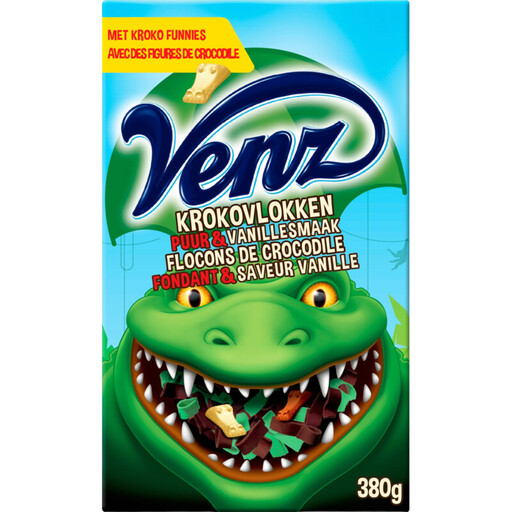 Image unavailable
Worth considering if you’d like flakes rather than chocolate sprinkles for your night in front of the TV.
200 g pack. Check the ingredients and allergens on the current packaging, and look for an organic label if you require one.
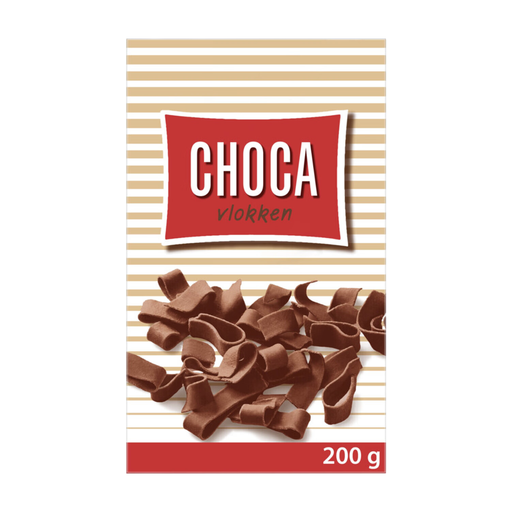 Image unavailable
A variety of flakes to compare if you’re looking for a chocolate topping for your snack.
200 g pack. Check the latest allergen information and look for an organic label on this specific product, if applicable.
Check the organic label on the exact product. According to Skal Biocontrole, the EU organic logo is compulsory for prepacked food produced in the EU and sold as organic; its use may be optional for imported products.
No, these labels do not, on their own, confirm organic status. Check the organic label on the specific variety of flakes, separately from any other certification marks.
Check the allergen information for your chosen variety on the current packaging. The De Ruijter milk chocolate flakes listed by PLUS contain milk, lactose and soya; the PLUS dark chocolate flakes may contain milk and lactose.
Follow the storage instructions on the packaging. The product information consulted for chocolate flakes recommends keeping them in a cool, dry, dark place. Reseal the pack as directed after use.
No, an organic label doesn’t replace the nutritional information. Compare the sugars per 100 g on the label, then consider how much you’ll use for your snack.