
Home trainers who use flakes as a topping
You want to sprinkle chocolate flakes over bread, yoghurt or porridge on a training day. A standard packet suits this use; a squeeze bottle won’t turn dry flakes into a liquid product.


Buy chocolate flakes in a standard packet if you want to sprinkle them over bread, yoghurt or porridge at home, rather than eat them from a squeeze bottle while running. For a long, intensive run, portable sports nutrition may be more practical; the Netherlands Nutrition Centre lists sports drinks, bars and gels as options. For chocolate flakes, check the serving size, ingredients, allergens and storage instructions for the variety you choose.
You want to sprinkle chocolate flakes over bread, yoghurt or porridge on a training day. A standard packet suits this use; a squeeze bottle won’t turn dry flakes into a liquid product.
You’re looking for something you can carry and use while running. The Netherlands Nutrition Centre lists sports drinks, bars and gels as possible options for prolonged, intensive exercise; loose flakes are a different type of product.
You want to know which ingredients and allergens are in the exact variety you’re buying. Check the current label, even if a name such as ‘dark’ or a claim on the front seems to tell you something about the product.
First decide whether you want flakes to have with a meal or are looking for nutrition to take with you. Then compare the packaging and nutritional information for the flakes you’ve chosen.
| What to consider | What should you check? | Who is this most important for? |
|---|---|---|
| Sprinkling and storage | Does a standard packet suit your needs as a topping? Read the storage instructions on the label. | If I sprinkle flakes over breakfast at home, I want them to be easy to portion and store. Around 36% of consumers prioritise using them as a dry topping. |
| Nutrition on the go | Consider the duration and intensity of your run, and whether the product format you choose is practical to use on the go. | On a long, intensive run, I want something I can carry and use without handling loose flakes. Portability is the top concern for around 46% of consumers. |
| Ingredients | Compare the ingredients, allergens and nutritional values per 100 g and, where shown, per serving. | When I choose a specific variety, I need to check whether its ingredients and allergens are suitable for me. This is the top priority for around 18% of consumers. |
Chocolate flakes are dry sprinkles. Pouring them into a squeeze bottle won’t make them liquid or provide a practical format to use while running.
Choose flakes as a topping for a meal. If you’re looking for nutrition for a long, intensive run, consider a portable product format separately and try it out during training.
According to Albert Heijn’s product information, its dark chocolate flakes contain milk and lactose. PLUS says that milk and lactose may be present in its variety labelled vegan.
Check the ingredients list and any warnings about possible traces on the label of the variety you buy.
Albert Heijn lists fifteen 20 g servings in its 300 g packet of dark chocolate flakes. So the packet weight doesn’t tell you how much you’ll use at one sitting.
Check the nutritional values per 100 g and the stated serving size before comparing varieties or quantities.
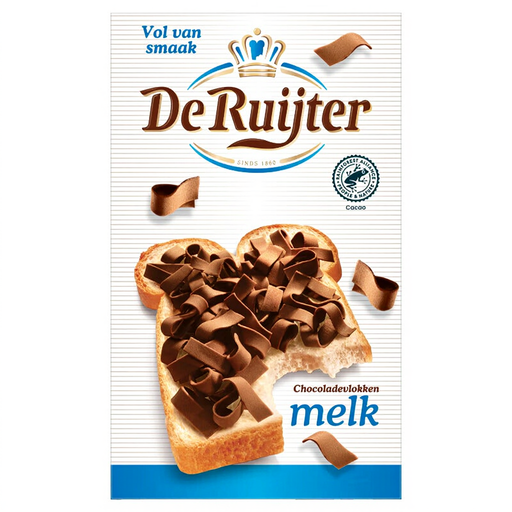
De Ruijter offers milk chocolate flakes and mixed flakes, among other products, as toppings for bread, yoghurt or porridge.
The supermarket’s own brand offers dark chocolate flakes in a 300 g packet.
Jumbo offers 300 g packets of dark and milk chocolate flakes, among other products, as a dry bread topping.
PLUS offers 300 g packets of dark chocolate flakes with a Fairtrade cocoa label.
ALDI lists Kiekeboe chocolate flakes in milk and dark varieties, both in 300 g packets.
These Joybuy products are flakes or sprinkles to scatter over food at home. Sprinkles are a different type of product from flakes; none of these dry products is presented here as nutrition from a squeeze bottle for use while running.
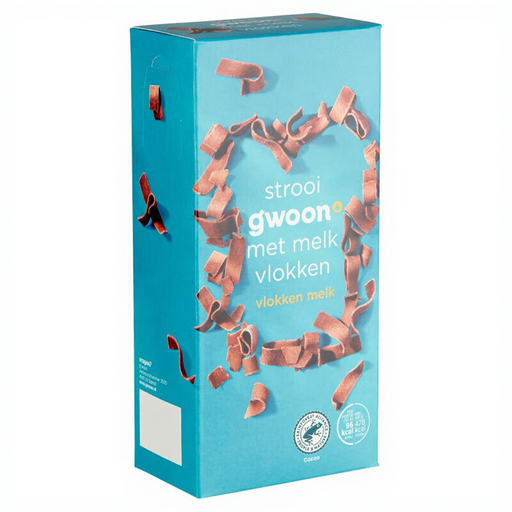 No image available
For use as a topping on bread or yoghurt at home. Before buying, check the allergens and storage instructions on the packet you choose.
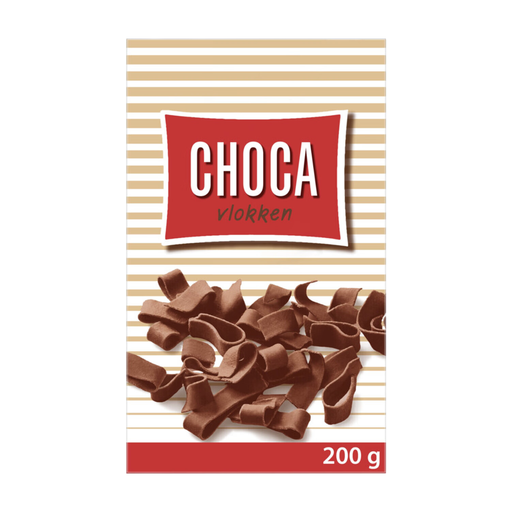 No image available
A dry topping for bread or yoghurt at home. When comparing nutritional values, check which quantity they refer to on the packet, and check the allergens.
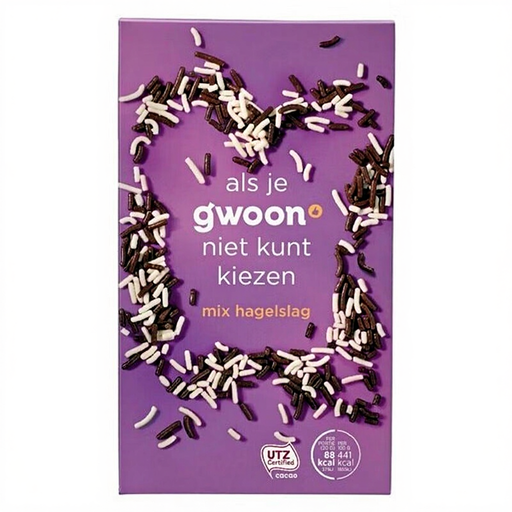 No image available
These are sprinkles for bread or decorating food at home, not chocolate flakes. Choose this variety only if sprinkles are the product format you’re looking for, and check the label for allergens.
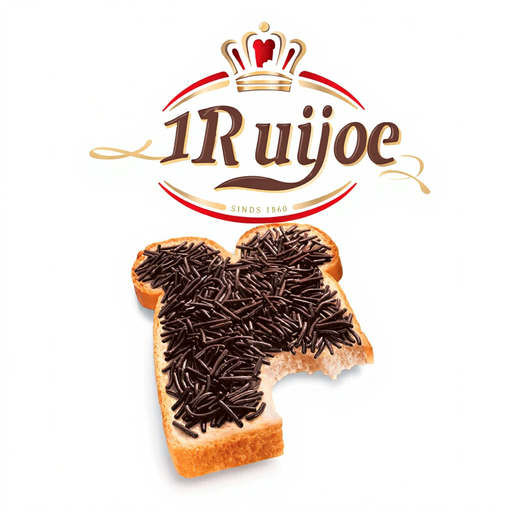 No image available
For anyone who wants to enjoy dark chocolate bread topping at home and is looking for sprinkles rather than flakes. Check the ingredients and allergens against the label for this variety.
 No image available
A dry topping for bread, yoghurt or porridge at home. Check the label for ingredients, allergens and the amount you want to use at a time.
A squeeze bottle isn’t a suitable way to use loose, dry chocolate flakes as liquid nutrition. If you want to take something with you on a long, intensive training session, look for a portable format designed for that purpose; the Netherlands Nutrition Centre lists sports drinks, bars and gels as possible options.
Use them as a topping with a meal before or after your run, rather than as a snack to eat on the go. For a meal before exercise, the Netherlands Nutrition Centre recommends eating around two to three hours beforehand; when planning your own routine, consider the amount and what you find comfortable while running.
No. According to the Netherlands Nutrition Centre, sports bars, gels and drinks aren’t needed for exercise lasting less than an hour. They can be practical for prolonged, intensive exercise; try out your chosen approach during training.
Follow the storage instructions on the packet for your variety. Jumbo says to store its dark chocolate flakes in a cool, dry place; also check the packet for the use-by date and any instructions for after opening.
Read the ingredients list and any warnings about possible traces on the label of the variety you choose. The Netherlands Food and Consumer Product Safety Authority says that legally required allergens must be clearly identifiable in the ingredients list; a name such as ‘dark’ doesn’t replace this check.