
Families who buy flakes regularly
If several family members eat flakes, the key question is whether a larger pack suits how much your household uses. Compare the net weight and avoid buying more than you expect to use.


For a large household, a 300 g pack of chocolate flakes may be a good fit if several family members enjoy the same flavour and you use it all. If tastes vary, a smaller pack may be more practical. Check the ingredients and allergen information for each variety, and alternate flakes with other sandwich fillings.
If several family members eat flakes, the key question is whether a larger pack suits how much your household uses. Compare the net weight and avoid buying more than you expect to use.
Not everyone chooses the same flakes. Check whether plain chocolate, milk chocolate or a mix will actually be eaten before opting for a larger pack of one variety.
If someone has an allergy, or you want to vary your sandwich fillings, check the ingredients and allergen information for each product. A label such as ‘plain’ is no substitute for checking.
First, work out how much your household uses and which flavour everyone eats. Then check the label of the exact variety you want to buy.
| What to consider | What to check when buying | Who it matters to |
|---|---|---|
| Pack size and how much you use | Compare the net weight with how often your household eats flakes. | If several family members eat flakes regularly, I want a pack that suits how much we use without leaving us with unused stock. This is the top priority for around 50% of consumers. |
| Flavour and stock | Choose between plain chocolate, milk chocolate and a mix; if you’re unsure, start with one pack. | When tastes differ at home, I’d rather choose a variety that will actually be eaten. Around 30% of consumers give flavour preference the highest priority. |
| Ingredients and choice of fillings | Read the current ingredients and allergen information, and consider how you’ll serve flakes alongside other fillings. | If I’m buying for someone with an allergy or want to vary our sweet sandwich fillings, I need to know what this variety contains. This is the most important consideration for around 20% of consumers. |
A larger pack is only practical if your household will use all of the variety you choose.
Match the net weight to how much you use at home and, if you’re unsure, try one pack first.
According to PLUS, its plain chocolate flakes included in this comparison may contain milk and lactose. The soy ingredient is listed for the De Ruijter plain variety included here, and it may contain milk.
Check the allergen information on the current pack every time you buy, even if you’ve bought the product before.
Flakes are a sweet sandwich filling. The Voedingscentrum lists them as one type of filling you can choose once a day.
Alternate them with other fillings when putting together lunch for your household.
Lidl says that the chocolate flakes included in this comparison are available in store only. ALDI notes that special-buy products can sell out quickly.
Check the range at the shop where you plan to do your food shopping before counting on a specific variety being available.
These brands offer examples of chocolate flakes to compare by pack size, flavour and label. The features listed apply to the varieties described, not necessarily to the entire range.
Albert Heijn’s own-brand range includes plain chocolate, milk chocolate and mixed flakes.
Jumbo’s range includes milk chocolate, plain chocolate and duo varieties of chocolate flakes.
PLUS’s own-brand range includes 300 g packs of plain and milk chocolate flakes.
ALDI offers Kiekeboe chocolate flakes in milk chocolate or plain chocolate varieties.
Lidl offers milk chocolate flakes in a 300 g pack.
De Ruijter is an option for households looking for a specific variety of its flakes.
These products come in a range of pack sizes and varieties, so you can compare them with your household’s flavour preferences. For De Ruijter Hail Chocolate Pure, also check the product type: the title doesn’t explicitly say that it is chocolate flakes.
 No image available
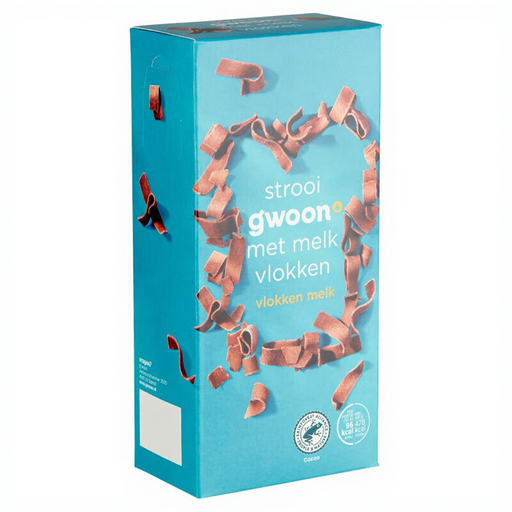
For a household that chooses milk chocolate flakes and will use a 300 g pack.
If you have allergies, check the current label; the listed allergens are milk and wheat.
 No image available
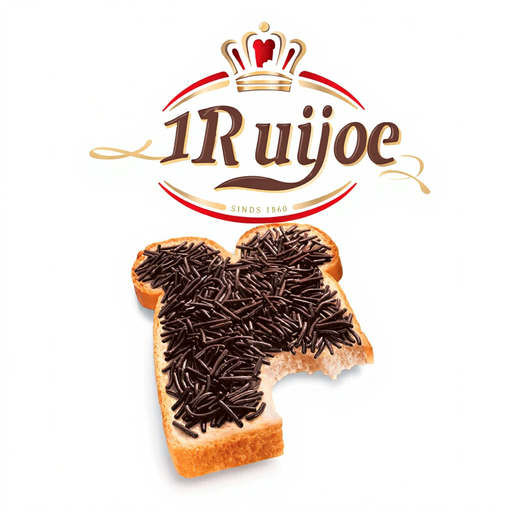
For anyone looking for De Ruijter’s plain variety in a 390 g pack; if you specifically want flakes, check that this is the product type you’re after.
The product information provided lists milk and soy. If you have allergies, check the current packaging.
 No image available
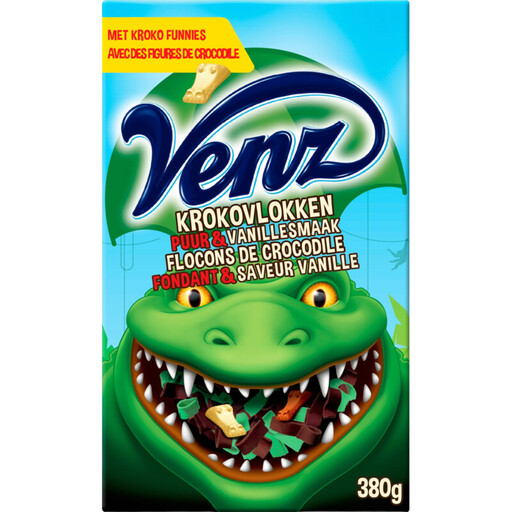
The 200 g pack may be a good choice if you want to try a mixed variety of flakes before buying more.
The allergen information provided lists soy and wheat; the product may contain milk. Check the current label.
 No image available
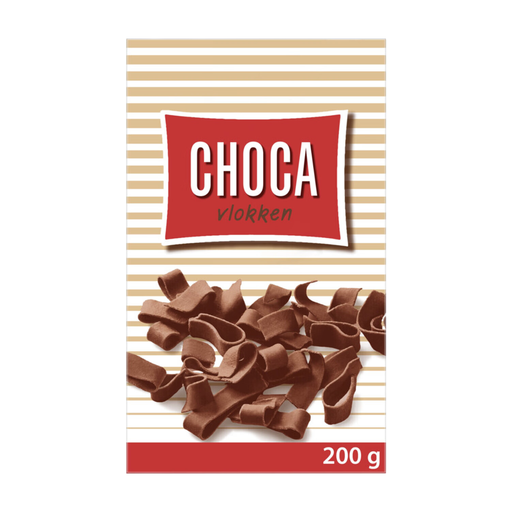
A 200 g pack for anyone who wants to try cocoa flakes without buying a larger amount straight away.
The allergen information provided lists cereals containing gluten, soy and wheat; the product may contain milk. If you have allergies, check the current label.
No. The right choice depends on how much your household eats, which flavour you choose and what the label says. A 300 g pack isn’t automatically practical if that variety is left uneaten at home.
Not without checking the allergen information on the pack you choose. PLUS says its plain flakes included in this comparison may contain milk and lactose; the De Ruijter plain flakes included here may contain milk.
Follow the storage instructions on the pack and seal it well after use. The product information for the varieties included in this comparison recommends storing them in a cool, dry place.
Serve flakes as a sweet sandwich filling alongside other options. The Voedingscentrum lists flakes as one type of filling you can choose once a day.