For hotel rooms where guests help themselves to chocolate flakes, individual portions are a practical choice. A larger shared box is more suitable for a coffee or breakfast station where staff manage how it is used. If you choose portions, check that they contain only chocolate flakes: the De Ruijter Kleintjes box also contains chocolate sprinkles and fruit sprinkles. For a shared box, closing and storing it properly, and providing allergen information, should all be part of your procedure.
Which packaging is right for you?
Hotel teams with self-service coffee stations
Guests need to be able to serve themselves a measured amount. Individual portions are a good fit, provided the products in the portion box match what you want to offer and allergen information is easy to access.
Breakfast buffets with managed use
A larger box may be worth considering if staff can build storage, closing the box after use and providing information for guests into their daily routine.
Hotels looking to offer a choice of flavours
You might want to offer milk and dark chocolate flakes, for example. Check the ingredients and allergens for each exact variant, even if the packaging looks similar.
What should you look for when choosing?
First decide whether guests will receive their own portion or help themselves from a shared pack. Then compare the contents and ingredients of the exact variant.
| What to consider |
What to check before buying |
Who it matters to |
| Portions and self-service |
Check the number of portions, the weight of each portion and which products are included in the box. |
For hotel rooms, I want to give guests a sealed portion rather than leave out an open shared box. Around 42% of consumers would consider portion control the most important factor in their choice. |
| Contents and stock management |
Compare the amount in each pack with expected usage, and check how to store and close the pack after opening. |
For a managed breakfast station, I want to choose packaging that suits demand and that staff can close properly. Around 33% of consumers would put stock management first. |
| Variant and allergens |
Check the ingredients, allergens and any ‘may contain’ information for each variant. When comparing stated cocoa content, make sure you take the wording used into account. |
If I offer guests different types of chocolate flakes, I want to know what each variant contains and what information I need to provide. For around 25% of consumers, the product’s ingredients would be the deciding factor. |
Common mistakes
-
Assuming a box of portions contains only chocolate flakes
According to Albert Heijn, De Ruijter Kleintjes contains eight portions of chocolate flakes, chocolate sprinkles and fruit sprinkles. It is not suitable if you want to offer chocolate flakes only.
Before buying, check which products are in the box and the weight of each individual portion.
-
Overlooking allergens in dark chocolate flakes
Jumbo’s product information lists soya and possible traces of milk for the De Ruijter dark chocolate variants reviewed. So the word ‘dark’ is no substitute for checking allergens.
Read the current label and make sure guests can access the relevant allergen information.
-
Leaving a larger box out for self-service without managing it
Jumbo advises storing De Ruijter Dark Chocolate Flakes in a cool, dry place and pressing the box closed after use. If a hotel prepares, handles or sells food, the Netherlands Food and Consumer Product Safety Authority also requires food safety procedures based on an HACCP plan or hygiene code.
Set out who is responsible for managing the opened pack and how guests can access allergen information about the product.
Brands to consider
De Ruijter
The range reviewed includes both boxes of chocolate flakes and a box of small mixed portions for sprinkling.
- According to Jumbo, De Ruijter Dark Chocolate Flakes contain at least 32% cocoa solids, while De Ruijter Royal Chocolate Flakes contain at least 40%.
- According to Albert Heijn, the Kleintjes box also contains chocolate sprinkles and fruit sprinkles; the dark chocolate flakes reviewed contain soya and may contain milk.
Jumbo
Its own range includes dark and milk chocolate flakes in 300 g boxes.
- The two variants offer a choice of dark or milk chocolate in the same pack size.
- Check the ingredients and allergens of your chosen variant before serving it to guests.
g'woon
The milk chocolate flakes reviewed come in 300 g packs.
- Joybuy’s product information states that they contain at least 20% cocoa solids.
- Check the allergens on the current packaging; the product description lists milk and wheat.
Choca
The range reviewed includes cocoa-based chocolate-flavoured flakes in a 200 g pack.
- For this variant, Joybuy lists 7.5% low-fat cocoa in the ingredients.
- This is not the same product type as milk or dark chocolate flakes. Check that the variant and its allergens are suitable for what you want to offer.
Lidl
Its own product page lists dark chocolate flakes in a 300 g pack.
- The stated pack size makes this variant worth comparing with other larger boxes.
- Check the label for ingredients and allergens; Lidl lists this variant as an in-store product.
Chocolate flakes for a managed coffee station
These packs of chocolate flakes are suitable for a coffee or breakfast station where staff can manage an opened pack. If you need individually sealed portions for guests, check the exact packaging.
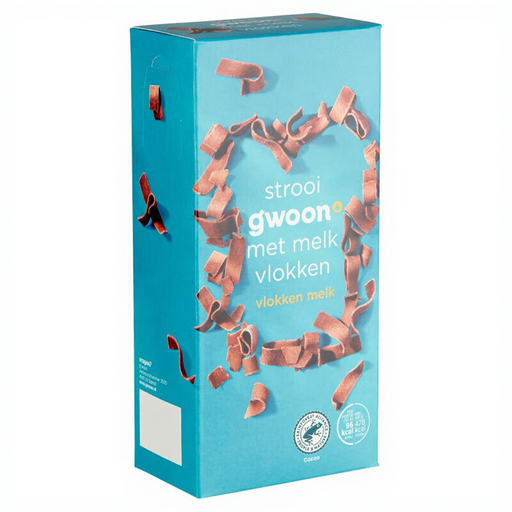 Image unavailable
g'woon Milk Chocolate Flakes 300 g
For a managed coffee station serving milk chocolate flakes from a larger pack.
The product description states that they contain at least 20% cocoa solids and at least 12% milk solids; milk and wheat are listed as allergens.
Store in a cool, dry place and close the pack after opening. Check the current label before serving the product to guests.
View on Joybuy
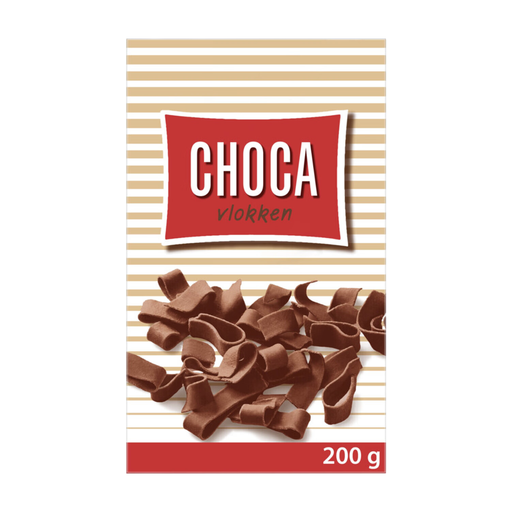 Image unavailable
Sprinkles Choca Flakes 200 g
For a managed coffee station looking to offer cocoa-based chocolate-flavoured flakes instead of milk or dark chocolate flakes.
The product description lists 7.5% low-fat cocoa, wheat and soya as allergens, and possible traces of milk.
Store in a cool, dry place and close the pack after opening. Check that the current packaging and allergen information are suitable for what you want to offer.
View on Joybuy
Frequently asked questions
Does a hotel need to provide allergen information for chocolate flakes served to guests?
Yes. According to the Netherlands Food and Consumer Product Safety Authority, businesses offering food to consumers must tell them about any allergens present. For prepacked products, this information is on the label; if the product is served unpackaged, the hotel must make the relevant information available to guests.
Can a large box of chocolate flakes be left open at a coffee station?
Assess an opened box as part of the hotel’s food safety procedures, rather than basing your decision on the pack size alone. The Netherlands Food and Consumer Product Safety Authority requires an HACCP plan or hygiene code when food is prepared, handled or sold. You should also have procedures for closing and keeping the pack clean, and for providing allergen information to guests.
Do De Ruijter Kleintjes portions contain only chocolate flakes?
No. According to Albert Heijn, the box contains eight portions of milk and dark chocolate flakes, as well as fruit sprinkles and milk and dark chocolate sprinkles. Choose this box only if the mix suits what you want to offer your guests.
How should I store an opened box of De Ruijter chocolate flakes?
Store the De Ruijter chocolate flakes reviewed in a cool, dry place and gently press the pack closed after use, as advised by Jumbo for these products. Also check the best-before date and the instructions on the exact pack you are using.


