
First-time shopper buying for several breakfasts
You’re doing your food shop for yourself for the first time and want one pack you can use more than once. In that case, the pack size matters more than being able to buy a single portion.


For your first food shop, choose a pack of chocolate flakes to suit how often you expect to use them. A 200 g pack takes up less storage space than a 300 g pack, while a larger pack is better suited to regular use. Then choose between milk, dark or a mix to suit your taste, and check the ingredients for the exact variety if you have an allergy. If you’re looking for a single snack bar, chocolate flakes aren’t the right product category.
You’re doing your food shop for yourself for the first time and want one pack you can use more than once. In that case, the pack size matters more than being able to buy a single portion.
You want chocolate flakes but can’t decide between milk, dark, white or a mix. The variety name can help you choose a flavour, but on its own it doesn’t tell you how its nutritional value compares with other varieties.
If you have a relevant allergy or intolerance, the ingredients, highlighted allergens and any warnings on the pack are what matter. Don’t assume another variety has the same ingredients.
First decide whether you want flakes for several occasions; then choose a flavour and read the label on the specific pack.
| What to consider | What to check when buying | Who it matters to |
|---|---|---|
| Pack size | Compare the net weight and think about how often you want to use the flakes. The ranges mentioned include packs of 200 g and 300 g. | If I’m only making breakfast for myself, I don’t want to choose a pack I’ll hardly use. Around 27% of consumers prioritise pack size and having enough for several breakfasts. |
| Flavour and cocoa | Decide whether you want milk, dark, white or a mix. Only take a stated cocoa content into account for the variety it refers to. | I mainly want to choose a flavour I’ll enjoy on bread, without drawing conclusions about its nutritional value from the name. For around 33% of consumers, the flavour variety comes first. |
| Ingredients and allergens | Read the ingredients, highlighted allergens and any warnings on the pack you’re buying. | If I have a relevant allergy, I need to know what’s in this particular variety before using it. Ingredients and allergens are the deciding factor for around 20% of consumers. |
| How to use and store | Decide whether you want to use the flakes as a bread topping or as a sprinkle, and follow the storage instructions on the pack you choose. | If I also want to sprinkle flakes over yoghurt or porridge, I look for a pack that suits those occasions. Around 20% of consumers prioritise how to use and store the product. |
The chocolate flakes discussed here come in a pack and are intended as a bread topping or sprinkle, not as an individually wrapped chocolate bar.
Before choosing, decide whether you want something to sprinkle over food on several occasions or a single snack. If it’s the latter, look in the chocolate bar category.
Ingredients can vary between milk, dark and mixed varieties. Joybuy lists wheat, soya and milk among the allergens in De Ruijter Vlokkenfeest; this doesn’t apply to all other flakes.
If you have a relevant allergy, read the label on the pack you’re actually buying, including any warnings about possible traces.
Jumbo states that De Ruijter Royaal Chocolate Flakes contain at least 40% cocoa solids. This percentage describes this variety, not the nutritional value of all dark flakes.
Use the variety name to help choose a flavour, and compare the nutritional information on each label per 100 g or per portion.
Worth considering if you want to choose between different types of chocolate flakes, including milk, dark, white and mixed varieties.
A supermarket own brand offering dark, milk and duo chocolate flakes.
ALDI lists Kiekeboe chocolate flakes in milk and dark varieties, in 300 g packs.
A 200 g pack of flakes to consider if you’re looking for a smaller pack.
A brand to explore if you’re looking for flakes in different shapes or flavours.
These products include 200 g and 300 g packs of milk and mixed flakes. The 390 g dark De Ruijter variety is chocolate sprinkles: an alternative topping, but not chocolate flakes.
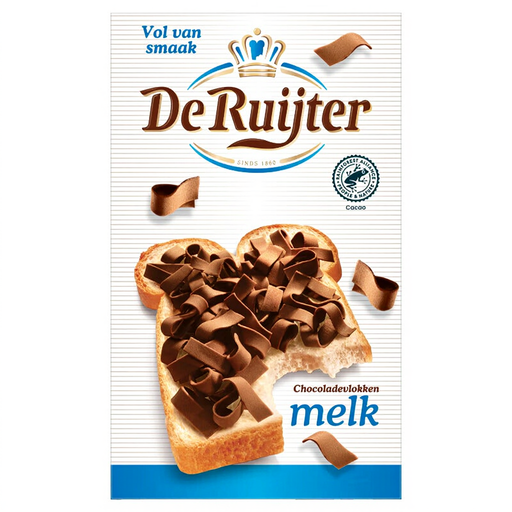 Image unavailable
For anyone looking for milk chocolate flakes to put on bread or use as a topping. This is a 200 g pack, not an individual bar. If you have an allergy, check the ingredients on the pack.
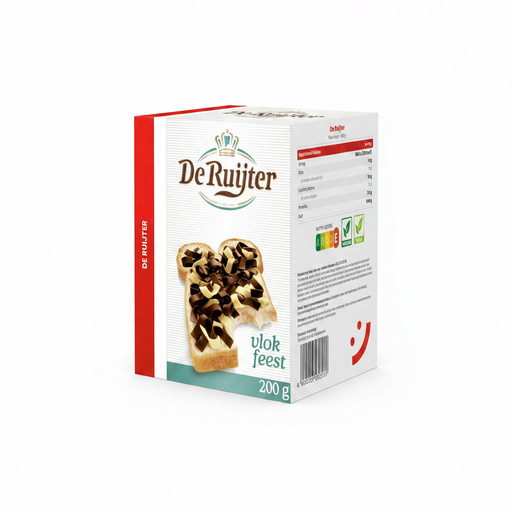 Image unavailable
A mixed variety for anyone looking for a bit of variety in a 200 g pack. Joybuy lists wheat, soya and milk as allergens in Vlokkenfeest; if you have an allergy, check the latest label.
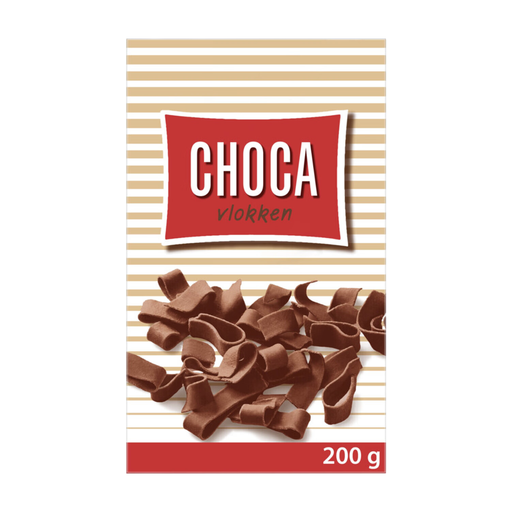 Image unavailable
A 200 g pack of flakes for anyone wanting to try a smaller size. Check the ingredients and allergens for this specific product before choosing it.
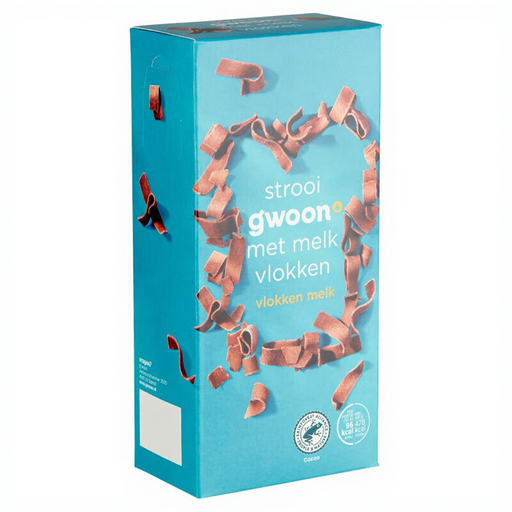 Image unavailable
For anyone planning to use milk chocolate flakes for several breakfasts. The pack contains 300 g; before buying, check that the size and ingredients suit you.
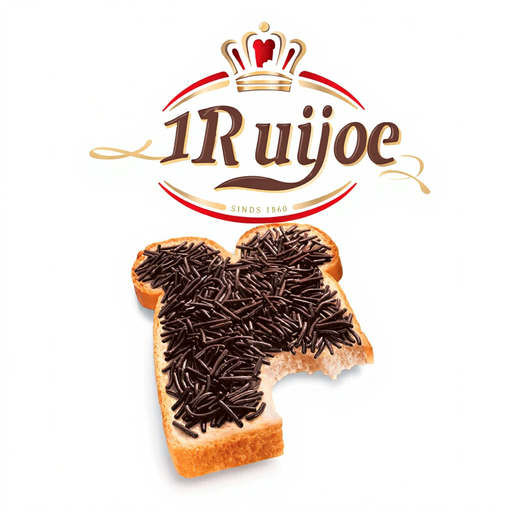 Image unavailable
Only an option if you’re also considering dark chocolate sprinkles as well as flakes: this is a different type of topping. The pack contains 390 g. Check the ingredients on the pack, especially if you have an allergy.
No. The flakes discussed here come in packs and are intended as a bread topping or sprinkle. If you want a single individually wrapped snack, look in the chocolate bar category.
Yes, if you have a relevant allergy or intolerance. Ingredients and warnings can vary between varieties, so read the label on the exact pack you’re buying and using.
You can’t tell from the variety name alone. If the ingredients matter to your choice, compare the nutritional information for the specific products per 100 g or per portion.
Follow the instructions on your own pack. For De Ruijter Royaal Chocolate Flakes, Jumbo says to store the pack in a cool, dry place and press it closed carefully after use.