
Shoppers catering for large groups
You’re organising an Easter brunch, buffet or several breakfasts, and want to work out how many packs of flakes you’ll need without opening too many at once.


For an Easter brunch with lots of guests, 300 g packs are a useful starting point for your basic supply; adjust the number of packs to suit how many breakfasts you’re serving. Choose a smaller pack of flakes or a mix as an extra option when flavour and presentation matter more than having one large supply. Check the ingredients, allergens and storage instructions on the packaging of every variety you choose.
You’re organising an Easter brunch, buffet or several breakfasts, and want to work out how many packs of flakes you’ll need without opening too many at once.
Alongside a basic supply, you’d like to offer plain, milk, white or mixed chocolate flakes to suit your brunch.
You’re serving guests with different needs and want to be able to check the ingredients and allergens for each variety you choose. If you’re a business serving products loose, it’s also important to make this information available to guests.
First, work out how many flakes you’ll need as a basic supply. Then choose any extra flavours and check the packaging of every variety before serving.
| What to consider | What to check when buying | Who it matters to |
|---|---|---|
| Quantity | Compare the net contents and decide how many packs you want to open for the breakfasts you’ve planned. | When I’m shopping for a large group, I want to have enough of the basics ready without opening every pack straight away. Around 38% of consumers prioritise having enough in stock. |
| Flavour and presentation | Choose between plain, milk, white and mixed varieties; check the cocoa content stated for the exact variety. | For a brunch with different flavour preferences, I want to offer another type of flakes alongside the basics. For around 31% of consumers, variety comes first. |
| Ingredients and allergens | Read the ingredients list, allergen information and any precautionary allergen statement on the pack you buy. | When guests ask what a topping contains, I want to be able to give them the information from the exact pack I’m serving. Around 31% of consumers prioritise these checks. |
A plain variety isn’t automatically free from milk. PLUS states that its 300 g plain chocolate flakes may contain milk and lactose.
When your order arrives and before serving, check the ingredients and allergens on the packaging of the variety you’re actually using.
Once opened, flakes should be kept dry and sealed tightly. If you open several packs at once, you’ll also have more opened stock left over after brunch.
Start with a limited number of packs, top up if needed and reseal opened packs straight away.
According to the Netherlands Food and Consumer Product Safety Authority, businesses serving unpackaged food must make allergen information available to consumers. This also applies when flakes are served as a loose topping at a catered event.
Keep the packaging to hand and make sure guests can get the allergen information for every topping on offer.
Worth considering if you want to add a particular flavour or variety alongside your basic supply of flakes.
A range to explore if you want to compare plain, milk and mixed chocolate flakes.
An option if you’re looking for plain chocolate flakes in a 300 g pack.
ALDI’s own brand lists 300 g packs of milk and plain chocolate flakes.
Lidl lists 300 g packs of milk chocolate flakes as a store product.
Below are flakes for a basic supply or a smaller top-up, alongside three chocolate sprinkle products. Sprinkles are a different bread topping from flakes, so choose carefully which type you want to serve and check the packaging for allergen information.
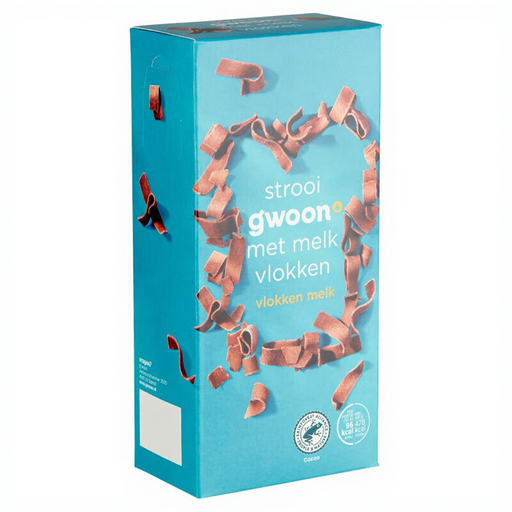 Image unavailable
The 300 g pack is an option if you want to have milk chocolate flakes ready as a basic supply for several brunch servings. Check the allergen information on the packaging before serving.
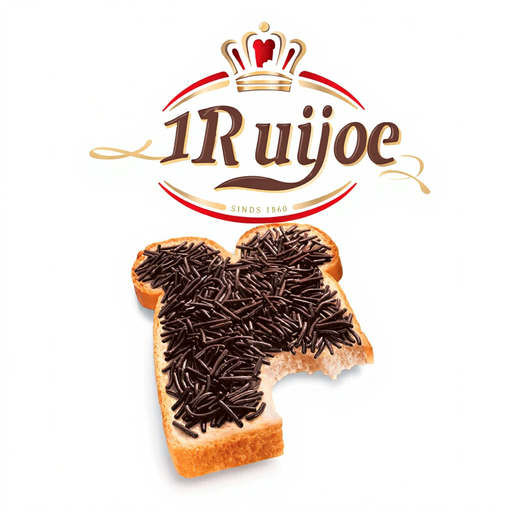 Image unavailable
This 390 g pack is for anyone who wants to serve plain chocolate sprinkles. Don’t choose it if you’re specifically looking for chocolate flakes, and check the allergen information on the packaging.
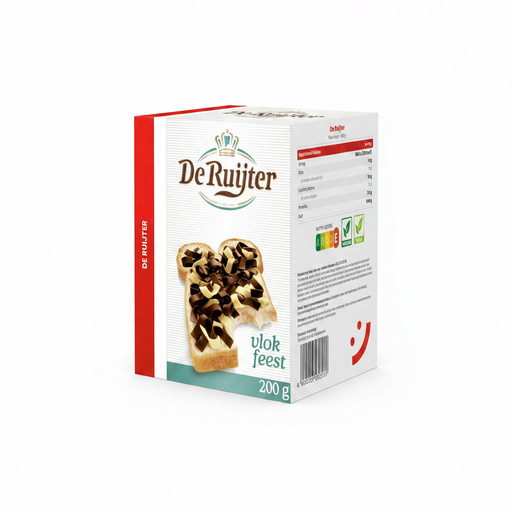 Image unavailable
This 200 g pack of flakes can make a smaller addition to your basic supply for an Easter brunch. Check the packaging for the ingredients and allergens in this variety.
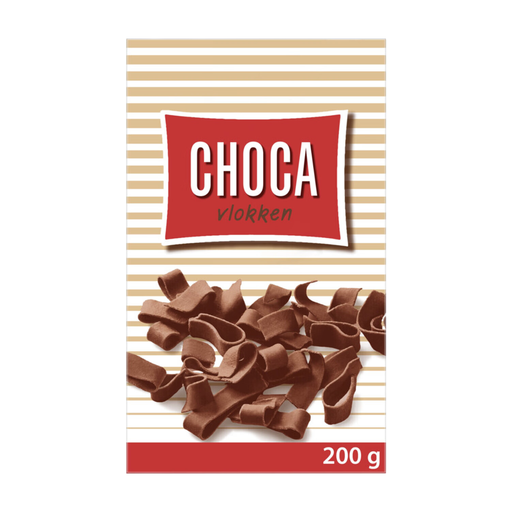 Image unavailable
A 200 g pack is a smaller flakes option if you want to offer another variety alongside your basic supply. Check the ingredients and allergens on the pack.
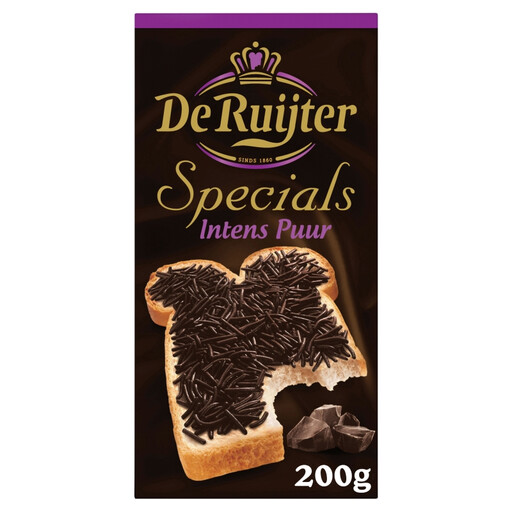 Image unavailable
These plain chocolate sprinkles are a different option from chocolate flakes. Check that this type of bread topping suits your brunch, and read the allergen information on the packaging before serving.
Decide how many guests and breakfast servings you want to provide flakes for, then compare the net contents of the packs. A 300 g variety can serve as a basic supply; only open extra packs when you need them.
Yes, as long as you seal the pack tightly and store it in a dry place. The Netherlands Nutrition Centre says opened plain chocolate flakes can be kept in a kitchen cupboard for up to one year; also follow the instructions on your product’s packaging.
If you’re a business serving unpackaged food to consumers, allergen information must be available, according to the Netherlands Food and Consumer Product Safety Authority. For loose toppings, make sure guests can access the information from the packaging of every product you use.
No. The word ‘plain’ doesn’t, by itself, tell you which allergens a variety does or may contain. PLUS states that its 300 g plain chocolate flakes may contain milk and lactose; always check the exact packaging.