
Coffee drinker comparing packs
You want flakes for a small, familiar coffee break and check the pack size and flavour you’re looking for before choosing a variety.


Start with the taste and the label of the exact product: an own-brand option may suit you if you’re looking for regular chocolate flakes, while a branded variety could appeal if you want a particular type or flavour. Enjoy flakes with your afternoon coffee as a topping on something like bread or yoghurt, rather than as a replacement for a substantial snack. Portion size and allergens should still guide your choice.
You want flakes for a small, familiar coffee break and check the pack size and flavour you’re looking for before choosing a variety.
You’d like something sweet with your coffee, while still leaving room for snacks that provide other nutrients. The Netherlands Nutrition Centre highlights the importance of getting enough nutrients as part of an overall diet for older people.
You need the label for the exact variety to check its ingredients and potential allergens. Milk, mixed and plain chocolate flakes don’t necessarily have the same ingredients.
If you have an allergy, first check the pack of the variety you’re considering. Then compare the pack size and nutritional information with the portion you plan to have with your coffee.
| What to look for | What to check when buying | Who it matters to |
|---|---|---|
| Amount per pack | Check the net weight: the chocolate flake packs listed include sizes of 200 g and 300 g. | If I have flakes with my afternoon coffee regularly, I want to choose a pack size that suits how much I use. Around 34% of consumers prioritise this consideration. |
| Portion and nutritional value | Read the nutritional information per 100 g and, if provided, per portion. Check the sugar, fat, fibre and protein content. | For me, flakes add flavour, but the snack as a whole should also fit into my diet. Around 33% of consumers prioritise this consideration. |
| Ingredients and allergens | Check the ingredients and allergen information on the pack of the exact flavour you’re choosing, including plain varieties. | If milk, wheat or another allergen matters to me, I need to be able to check the exact pack. This is the main concern for around 33% of consumers. |
Chocolate flakes are a sweet spread or topping. For older people, the Netherlands Nutrition Centre highlights the importance of getting enough nutrients as part of an overall diet.
If you like, use flakes as a small addition to something like bread or yoghurt. Choose your snack as a whole based on what you need.
According to Jumbo’s product information, the milk variety contains milk, while the duo mix may contain gluten, milk and wheat. PLUS says its plain chocolate flakes may contain milk and lactose.
Before using them, read the allergen information on the pack of the variety you’ve chosen, even if you know another flavour from the same brand.
A product’s ingredients and information can change. So a page you looked at previously isn’t enough to assess the pack in your hands.
When you buy, check the ingredients, allergens and nutritional information on the pack again.
These brands offer different types of chocolate flakes. Always check the variety you’re choosing, rather than relying on the brand name alone.
Own-brand range including plain and mixed chocolate flakes in 300 g packs.
Own-brand range with milk, plain and duo-mix flakes in 300 g packs.
Own-brand range with 300 g packs of plain chocolate flakes, listed on the product page as made with Fairtrade cocoa.
Brand range including milk, plain, white and Royaal varieties in the supermarket ranges listed.
ALDI own-brand range with milk and plain chocolate flakes in 300 g packs.
These products are intended as a sweet spread or topping to enjoy with a coffee break. The selection includes both chocolate flakes and chocolate sprinkles. Sprinkles are a different type of topping, even when the flavour is similar.
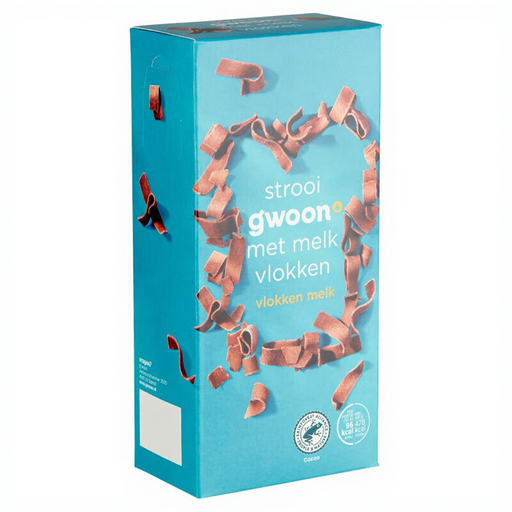 Image unavailable
For anyone who wants to use milk chocolate flakes as a spread or topping.
300 g pack. If you have an allergy, check the label for ingredients including milk and wheat.
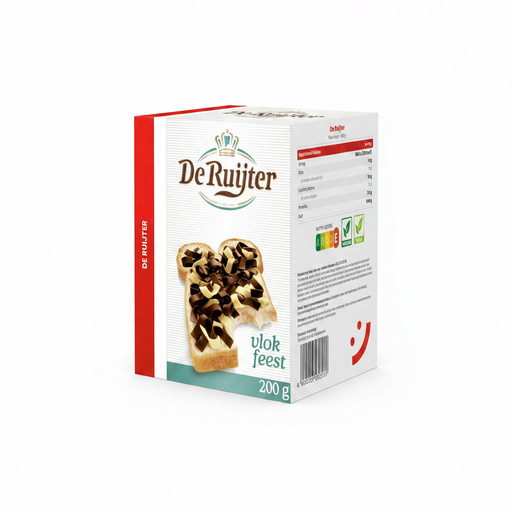 Image unavailable
A flake variety for anyone looking for a mix of flavours on bread or yoghurt.
200 g pack. If you have an allergy, check the pack for information about wheat, soya and possible traces of milk.
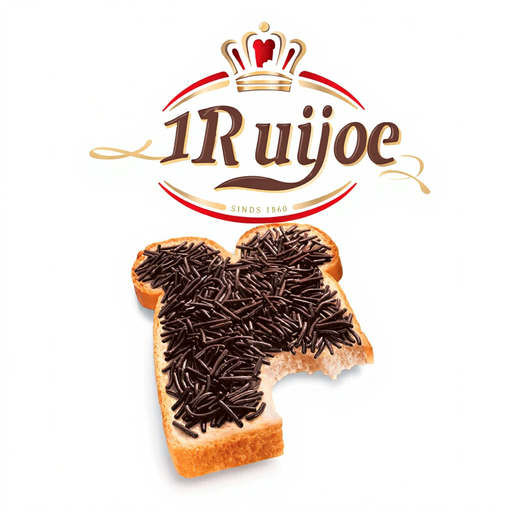 Image unavailable
For anyone looking for plain chocolate sprinkles and who prefers sprinkles to flakes.
390 g pack. The word ‘plain’ doesn’t mean the product is free from milk ingredients, so check the label if you have an allergy.
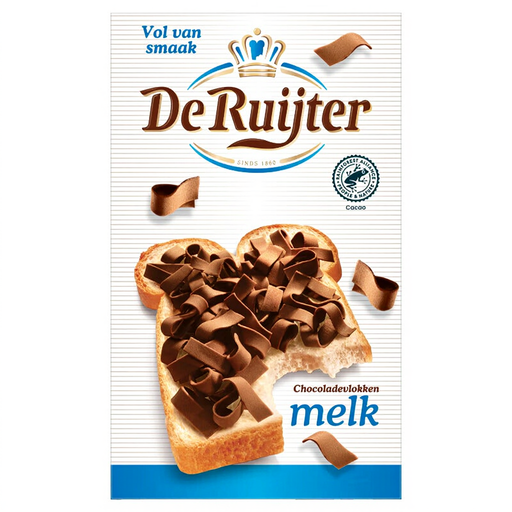 Image unavailable
Milk chocolate flakes for anyone who wants this flavour as a spread or topping.
200 g pack. If you have an allergy, check the pack for information about milk and soya.
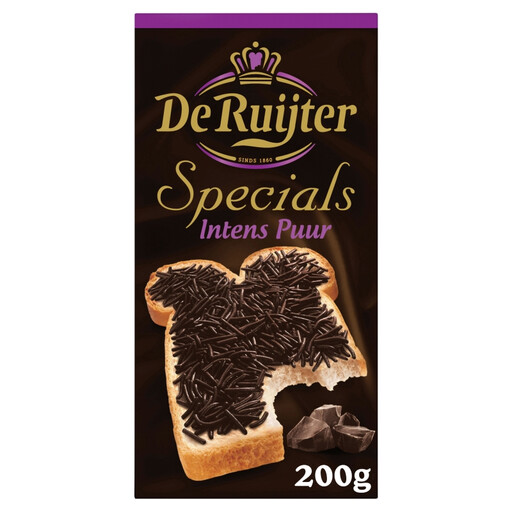 Image unavailable
Plain chocolate sprinkles for anyone who wants to use sprinkles as a topping instead of flakes.
200 g pack. If you have an allergy or intolerance, check the pack for information about milk and lactose before choosing this product.
No. Use chocolate flakes as a spread or small topping, not as a replacement for a complete snack. The Netherlands Nutrition Centre highlights the importance of getting enough nutrients as part of an overall diet for older people, so consider what you eat with the flakes too.
No, the word ‘plain’ doesn’t guarantee that. For example, PLUS says its plain chocolate flakes may contain milk and lactose. If you have an allergy or intolerance, read the label on the exact pack.
Check the ingredients, allergens, net quantity and nutritional value of the variety you’ve chosen. The Netherlands Food and Consumer Product Safety Authority lists these details as part of the labelling requirements for pre-packed foods. Information may vary between flavours.
Follow the storage instructions and best-before information on the pack. Seal the pack carefully after use, and check the label of your chosen variety for any advice about storage after opening.