For Christmas breakfast and a few different bakes, 300 g packs of chocolate flakes give you the flexibility to choose the quantity and varieties for each recipe. If you’re making lots of desserts with the same finish, a 1 kg or 5 kg professional decoration pack may better suit your planned usage. Before buying, check the product type, allergen information and whether you have a dry place to store it; chocolate sprinkles, flakes and decoration flakes are not the same product.
Which size is right for you?
Bakers catering for a large Christmas gathering
If you’re making lots of cakes, cupcakes or desserts, first work out how much decoration you’ll need. Callebaut lists 1 kg and 5 kg packs for specific professional vermicelli and decoration flakes. Check that the product type you choose suits your recipes.
Larger families who want to portion by recipe
For Christmas breakfast and a few bakes, smaller packs let you choose different varieties without having to open a kilo of one type straight away. Jumbo and PLUS show examples of chocolate flakes in 300 g packs.
Hosts checking allergen information
If you’re baking for guests with a food allergy or specific dietary requirements, check the ingredients and warnings for the exact variety you’ve chosen. The product information for De Ruijter Vlokken Puur lists soya and possible traces of milk; PLUS warns that its dark variety may contain milk and lactose.
What should you consider when choosing?
For Christmas bakes and desserts, first work out how much decoration you’ll actually use: a few 300 g packs suit a different plan from a professional 1 kg or 5 kg pack. Then choose the product type and variety that work for your recipes and guests.
| What to consider |
What to check before buying |
Who it matters to |
| Quantity |
Add up the amount needed for each recipe and compare the net weight of 300 g packs with professional 1 kg or 5 kg sizes. |
When I’m making lots of desserts with the same finish, I want to have enough of the same decoration ready; having enough to go round is the top priority for around 31% of consumers. |
| Portions and leftovers |
Match the number of packs to your planned recipes and think about how much you’ll use after your Christmas baking. |
If I’m buying flakes for brunch and a few bakes, I don’t want to be left with a large unopened supply; getting the portions right is the top priority for around 31% of consumers. |
| Flavour and presentation |
Choose your preferred variety and check whether you need chocolate flakes, a mix of flakes or another type of decoration. |
For a Christmas cake, I want the flavour and appearance of the finish to suit the recipe; this choice matters most to around 23% of consumers. |
| Allergens and storage |
Read the label for the exact variety, including any warnings, and make sure you have a dry storage place without major temperature fluctuations. |
When I’m baking for guests and stocking up in advance, I want to know what I’m serving and how to store the pack; this is the main concern for around 15% of consumers. |
Common mistakes
-
Assuming every larger supermarket pack is a bulk size
A 300 g pack and a professional 1 kg or 5 kg pack call for different usage plans. The largest pack isn’t automatically the right choice for just a few recipes.
Add up the grams you’ll need for all your bakes, then choose the number of packs or a bulk pack.
-
Assuming a dark variety is automatically suitable for every guest
Allergen information varies by product. De Ruijter Vlokken Puur lists soya and possible traces of milk; PLUS Chocoladevlokken puur carries a warning that it may contain milk and lactose.
Check the current label for the variety you’re using and keep the information handy when serving your bakes.
-
Buying in bulk without a suitable place to store it
Callebaut’s storage advice explains that moisture and temperature fluctuations can cause condensation or visible bloom on chocolate. This is especially relevant if you’re going to keep an opened pack for a while.
Follow the storage advice on the pack and seal any remaining flakes carefully, storing them in a dry place at a stable temperature.
-
Applying a claim for one variety to an entire product range
Claims about ingredients, dietary characteristics or cocoa apply to the specific variety they appear on, not automatically to every type of flakes from the same brand.
Compare the information for the variety you’ve chosen with the label on the pack you receive.
Brands and product ranges to consider
De Ruijter
The Vlokken Puur product reviewed is a 300 g consumer pack, also listed for decorating bakes.
- For this dark variety, the product information lists at least 32% cocoa solids.
- The ingredients information lists soya and possible traces of milk. Check the label and availability of this specific variety.
Jumbo
Jumbo’s own brand offers examples of chocolate flakes in 300 g consumer packs.
- The category shown includes dark, milk and a duo mix, so you can choose different varieties for different recipes.
- Check the ingredients and allergens for each pack you choose.
PLUS
PLUS lists dark and milk chocolate flakes in 300 g packs.
- PLUS labels the dark variety reviewed as containing Fairtrade cocoa.
- For that same variety, PLUS warns that it may contain milk and lactose; check the exact pack when assessing dietary requirements.
Kiekeboe
Kiekeboe is the range shown by ALDI, with 300 g packs of milk and dark chocolate flakes.
- ALDI lists Rainforest Alliance certification for the product shown.
- Check which variety you’re buying and read the accompanying label for ingredients and allergens.
Callebaut
Callebaut offers professional chocolate vermicelli and decoration flakes for patisserie and desserts, among other uses.
- The manufacturer lists 1 kg and 5 kg packs for Dark Chocolate Vermicelli and Mona Lisa Dark Flakes Small.
- Vermicelli and flakes are different product types. Check the intended use, ingredients and allergen information for each product you choose.
Products for smaller batches of baking
These Joybuy products are a 600 g pack of chocolate sprinkles and a 200 g pack of flakes. They’re worth considering if you’re looking for a smaller amount of decoration; neither is a professional 1 kg or 5 kg bulk pack.
 No image available
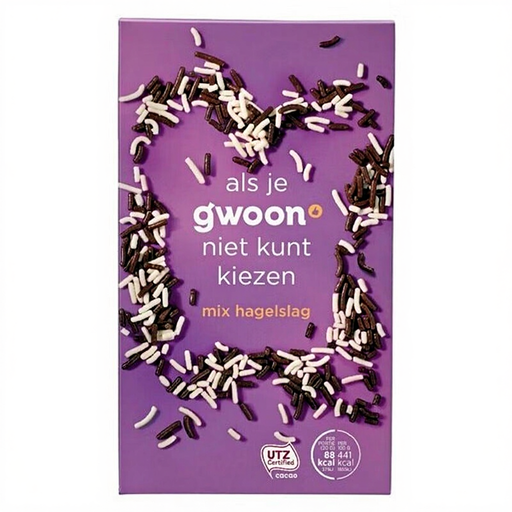
g'woon milk chocolate sprinkles with smileys, 600 g
An option if you want to use milk chocolate sprinkles for several family bakes. These are sprinkles, not chocolate flakes, and the 600 g pack is smaller than the professional kilo sizes mentioned above. Check the label for allergens before baking for guests.
View at Joybuy
 No image available
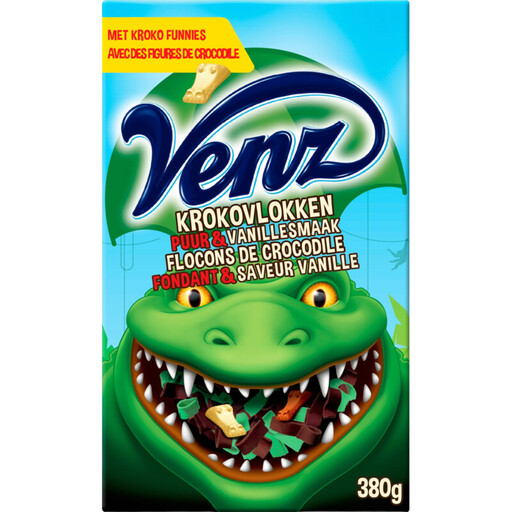
Venz Jungle Flakes, 200 g
A flakes option if you only have a small amount of baking to decorate. If you’re making several recipes, work out how many 200 g packs you’ll need; this isn’t a bulk size for a large batch of desserts. Check the allergen information on the label before serving.
View at Joybuy
Frequently asked questions
Are 300 g of flakes enough for Christmas baking?
A 300 g pack may be enough for Christmas breakfast or a few recipes, but it won’t necessarily stretch to lots of desserts with the same finish. Work out your total usage before comparing several consumer packs with a professional 1 kg or 5 kg pack.
Can I use flakes sold as a bread topping to decorate desserts?
Yes, some flakes sold as a bread topping are also listed for bakes or desserts: the product information reviewed for De Ruijter and Albert Heijn gives examples. If you’re decorating lots of desserts in the same way, decide whether these flakes or a professional decoration product are right for you; check the intended use of the exact product.
How should I store an opened bulk pack?
Follow the storage advice on the pack you’ve chosen and seal the remainder well, keeping it in a dry place without major temperature fluctuations. Callebaut warns that moisture or a room that is too cold can cause condensation and sugar bloom on chocolate products.
What allergen information do I need when serving bakes?
Check the label for every variety you use and give guests the relevant information about ingredients and allergens. The Netherlands Food and Consumer Product Safety Authority states that allergen information for prepacked products must appear on the label, while information for non-prepacked products must be provided to consumers in another way. Don’t rely on the word ‘dark’ alone: the varieties reviewed from De Ruijter and PLUS carry different warnings about soya, milk or lactose.


