
Families who bake together regularly
If you have several decorating sessions planned, pack size matters more than it does for one small baking project. Choose an amount you’re likely to use.


Choose a 300 g pack if you want to use chocolate flakes for several baking sessions; a 200 g pack may be a better fit for one small project. Then decide which flavour suits your bake, and read the label on your chosen variety before using it with children, especially if allergies are a concern. Chocolate flakes are a sweet topping, not a meal staple.
If you have several decorating sessions planned, pack size matters more than it does for one small baking project. Choose an amount you’re likely to use.
If you use flakes as a decoration or sweet treat, you can decide in advance how much to add to your bake. The Netherlands Nutrition Centre describes chocolate sprinkles and flakes as an occasional choice for primary school children, alongside the Dutch Wheel of Five healthy eating guide.
If a child needs to avoid certain allergens, the label on the exact variety is what matters. A description such as dark chocolate doesn’t, by itself, tell you which allergens the product contains.
First, work out how many flakes you’ll need for your planned baking sessions. Then choose a suitable flavour and check the label before children eat them.
| What to consider | What should you check? | Who should pay particular attention? |
|---|---|---|
| Pack size | Compare 200 g and 300 g packs with the amount you expect to use for your baking plans. | If I’m decorating with children regularly, I want to have enough in the cupboard without buying a pack for just one project. For around 33% of consumers, having enough for repeated use would be the main consideration. |
| Decorating | Check that flakes suit your bake and decide how much you want to use as a topping. | When decorating cupcakes or a cake together, I want a simple sweet topping that children can help to add. Ease of decorating would be the main consideration for around 27% of consumers. |
| Flavour | Choose your preferred milk, dark or mixed variety before comparing pack sizes. | If the recipe or the people eating it call for a particular flavour, I don’t want to choose based on pack size alone. Around 20% of consumers would make flavour their first consideration. |
| Label and quantity | Read the ingredients, allergen and nutritional information on the pack you’ve chosen; also decide how much to use for each bake. | If a child with an allergy is eating with us, or I want to keep an eye on sweet treats, I need to know what’s in the flakes and how much we’re using. An estimated 20% of consumers would see these checks as their main concern. |
The word ‘dark’ doesn’t replace the ingredients list. The Netherlands Food and Consumer Product Safety Authority points out that allergens must be listed on the label; ingredients vary from product to product.
Before use, read the label on the exact pack you have, including the allergen information and any warnings about cross-contamination.
Chocolate flakes are a sweet topping. The Netherlands Nutrition Centre describes chocolate sprinkles and flakes as an occasional choice for primary school children, alongside the Dutch Wheel of Five healthy eating guide.
Decide in advance how much you’ll use for decorating, and keep an eye on the other ingredients in your baking or meal.
Lidl lists its 300 g pack of milk chocolate flakes as an in-store product. That doesn’t tell you which variety is available at your local shop.
Check what’s available locally if you need a particular flavour or pack size for a specific baking session.
PLUS has a 300 g own-brand pack of milk chocolate flakes.
ALDI lists Kiekeboe chocolate flakes in milk and dark varieties, both in 300 g packs.
Jumbo lists 300 g own-brand flakes in milk, dark and duo mix varieties.
Albert Heijn lists its own-brand 300 g chocolate flakes in milk, dark and mixed varieties.
De Ruijter is an option if you’re looking for a particular variety or a 200 g pack.
Lidl lists 300 g milk chocolate flakes as an in-store product.
This Joybuy selection includes both chocolate flakes and chocolate sprinkles. They are different products, so choose the type and pack size that suit your baking plans, and check the label on each variety.
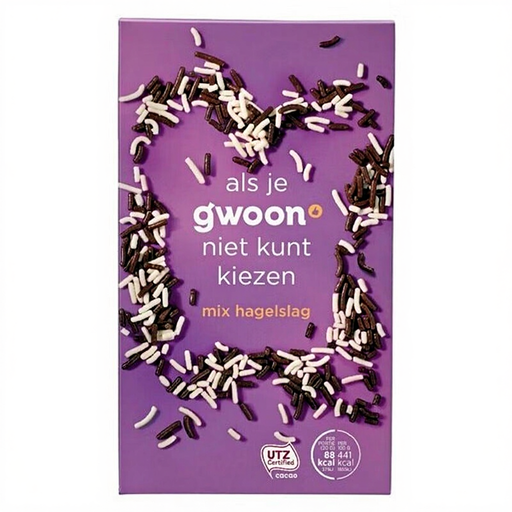 Image unavailable
These sprinkles are an option if you’re looking for a 600 g pack for several decorating sessions. They’re not chocolate flakes, so before using them with children, check the label for ingredients including milk and wheat.
 Image unavailable
Consider this 390 g pack if you’re looking for dark chocolate sprinkles. Sprinkles aren’t the same as flakes. If you have an allergy, don’t rely on the word ‘dark’: check the label for milk, soya and any warnings.
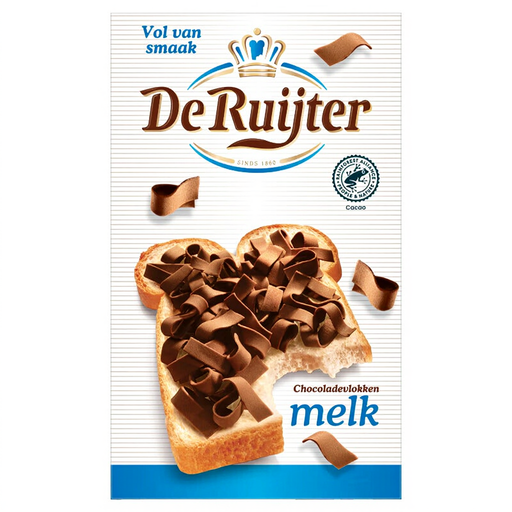 Image unavailable
These 200 g milk chocolate flakes are a good fit for baking plans where you’d prefer a smaller pack. Before sharing them with children, check the pack for milk, soya and any other relevant allergens.
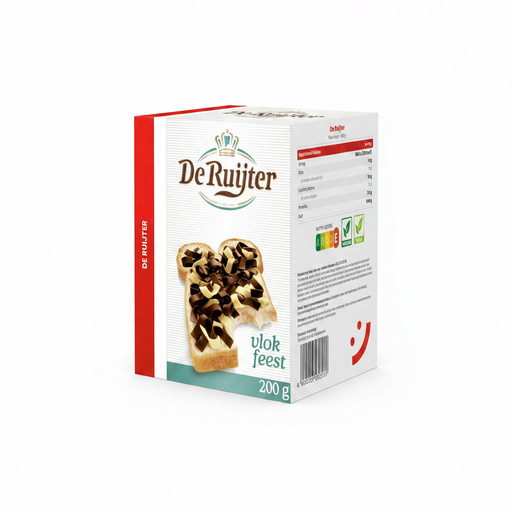 Image unavailable
Choose this 200 g pack if you’d like a mix of chocolate and vanilla flakes for decorating. Check the label for wheat and soya, and for a statement that the product may contain milk.
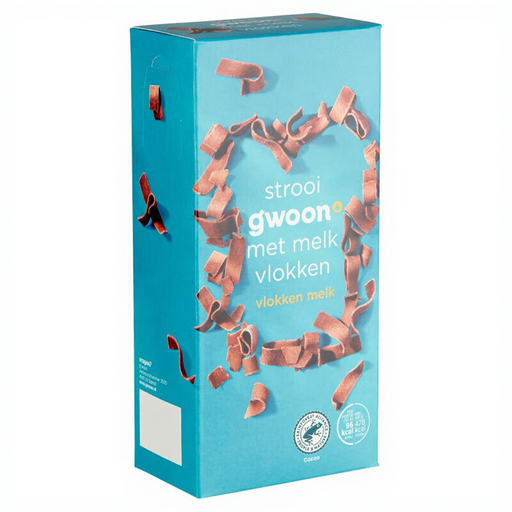 Image unavailable
This 300 g pack is worth considering if you’re looking for milk chocolate flakes for more than one occasion. Before use, check the label for milk, wheat and any information about cross-contamination.
Yes, chocolate flakes can make a sweet topping when they suit the bake. According to De Ruijter’s product information, milk flakes can be used on cupcakes and cakes, among other things. The Netherlands Nutrition Centre describes chocolate flakes as an occasional choice for primary school children, alongside the Dutch Wheel of Five healthy eating guide.
Yes, even with a dark variety, read the label on the exact pack you’re using. The word ‘dark’ doesn’t tell you everything about the ingredients or possible cross-contamination, so check the allergen information before children eat them.
Follow the storage instructions on the pack you’ve bought. PLUS and De Ruijter product information advises storing the flakes mentioned in a cool, dry, dark place and closing the pack securely after use.