If you want to share something sweet with others after exercise, a 300 g pack of chocolate flakes could work as a topping. Check the pack format and how much you need, though: 300 g doesn’t automatically mean it’s a sharing bag. Don’t treat flakes as a complete post-workout meal; the Netherlands Nutrition Centre recommends having a proper meal containing, among other things, carbohydrates and protein.
Who are these flakes for?
People planning a post-workout meal
If you fancy something sweet after exercise, decide first what you’ll have as your meal. The Netherlands Nutrition Centre recommends a proper meal containing, among other things, carbohydrates and protein; chocolate flakes should be no more than a topping.
Groups looking to share a sweet topping
For a shared meal, the net weight matters more than the label ‘sharing bag’. Albert Heijn, Jumbo, PLUS, ALDI and Lidl offer 300 g options, but the weight alone tells you nothing about the pack format or number of servings.
Shoppers who read labels carefully
If ingredients or allergens matter to anyone in your group, check the exact product variant. PLUS lists milk and lactose as allergens for its 300 g milk chocolate flakes; don’t assume the same applies to other brands or flavours.
What should you look for when choosing?
First decide what you want to eat after exercise, then choose your topping. For a shared treat, consider the quantity, how you’ll buy it and the label on the variant you’ve chosen.
| What to consider |
What to check when buying |
Who it matters to |
| Post-workout meal |
Decide on your meal first; check the flakes’ nutritional information if you want to add them to it. |
I want my post-workout food to be more than just something sweet. Around 36% of consumers prioritise their post-workout meal and use flakes as a topping at most. |
| Amount to share |
Compare the net weight with the number of people eating, and check that the pack format is suitable for sharing. |
For our shared meal, I want enough topping to put out without relying on the name ‘sharing bag’. Around 29% of consumers prioritise the amount available to share. |
| How to buy |
Check whether you can order your chosen variant, collect it or whether you’ll need to buy it in store. |
I want to be able to bring the flakes along or pick them up before our group get-together. For around 21% of consumers, finding a suitable way to buy them is their main concern. |
| Label |
Read the ingredients, allergen and nutritional information for the exact variant you’re buying. |
I want to know whether the product is suitable for the people I’m buying it for before sharing it. Around 14% of consumers give checking the label top priority. |
Common mistakes
-
Treating flakes as a complete post-workout meal
A sweet topping doesn’t automatically replace the meal you want after a workout. The Netherlands Nutrition Centre recommends a proper meal containing, among other things, carbohydrates and protein.
Choose your meal first, then decide whether you’d like to add chocolate flakes.
-
Assuming 300 g always means a sharing bag
Net weight tells you how much product there is, not what format the pack comes in. Nor does a 300 g pack have a fixed number of sharing portions.
Work out how many grams you want for your group and check the pack format of the variant you’ve chosen.
-
Assuming you know the allergens from the flavour name alone
The words milk or dark don’t give you a complete list of ingredients. For example, the PLUS milk flakes checked list milk and lactose as allergens.
For everyone eating with you, read the allergen information on the exact pack.
Brands to compare
These brands and own-label ranges offer different flavours and pack sizes. Choose a specific variant based on its product label and the amount you need.
De Ruijter
For anyone looking for a familiar milk, dark, white or Royaal variant.
- The ranges reviewed include several flavours and variants.
- The packs found are mainly 200 g; the Royaal variant is 240 g.
Albert Heijn
Own-label flakes for anyone looking for milk, dark or a mix in a 300 g pack.
- The Albert Heijn category includes all three variants in this size.
- Check the product details and how you can buy your chosen variant.
Jumbo
300 g own-label flakes in milk, dark and duo mix varieties.
- Jumbo lists these variants alongside smaller packs from other brands.
- The 300 g weight doesn’t confirm a specific sharing bag or portion size.
Lidl
An in-store option for 300 g packs of milk or dark chocolate flakes.
- Lidl lists both flavours in 300 g packs.
- Lidl states that the milk variant checked is only available in store.
ALDI / Kiekeboe
Kiekeboe chocolate flakes in a 300 g milk or dark variant.
- ALDI lists both flavours on its product page.
- The page directs shoppers to an ALDI store to buy them; check the label for your chosen flavour.
PLUS
300 g own-label flakes, including a milk variant with detailed product information.
- The PLUS product page lists ingredients, allergens and nutritional information for the milk variant.
- That milk variant lists milk and lactose as allergens; this information doesn’t automatically apply to the dark variant.
Products for a topping moment
These Joybuy products include packs you could consider as a sweet topping to share after exercise. The product names list 200 g, 300 g and 390 g; check which type of chocolate topping the De Ruijter variant is, and don’t rely on the weight alone to tell you the pack format for any of these products.
 No image available
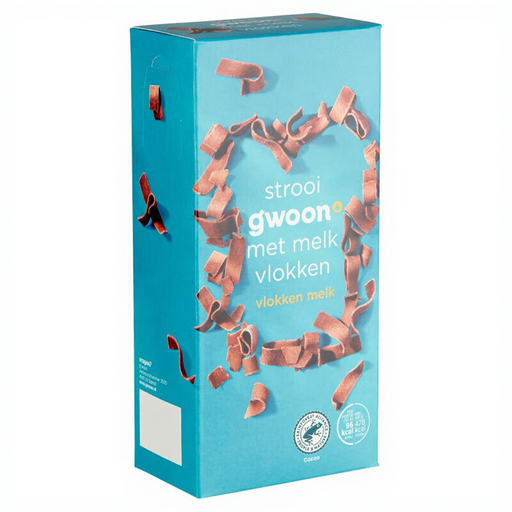
g'woon Milk Chocolate Flakes 300 g
Milk chocolate flakes for anyone looking to use 300 g for a shared topping moment. Before buying, check the pack format and read the label if ingredients or allergens matter to your group.
View at Joybuy
 No image available
De Ruijter Hail Chocolate Pure 390 g
A larger pack for anyone looking for dark chocolate topping. Before buying, check that this is the type of flakes you want: the product name says Hail Chocolate Pure, not chocolate flakes.
View at Joybuy
 No image available
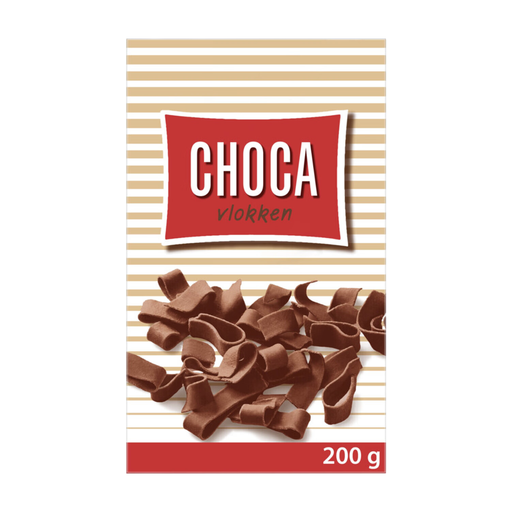
Sprinkles Choca Flakes 200 g
Chocolate flakes for a topping moment where 200 g is enough. Compare that weight with what your group needs and check the pack format.
View at Joybuy
Frequently asked questions
Are chocolate flakes a meal in themselves after exercise?
No, don’t treat chocolate flakes as a substitute for a proper post-workout meal. The Netherlands Nutrition Centre recommends a meal containing, among other things, carbohydrates and protein; add flakes as a topping if you like.
How much milk chocolate flakes counts as one serving?
The Netherlands Nutrition Centre gives 15 g of milk chocolate flakes on one slice of bread as an example serving. It lists this as 68 kcal, 10,5 g of sugars and 1,4 g of saturated fat; this isn’t a recommended amount for everyone or every variant.
Can I share milk chocolate flakes with someone who needs to avoid milk or lactose?
Check the exact pack first, and don’t serve the flakes without doing so. PLUS lists milk and lactose as allergens for its 300 g milk chocolate flakes; for any other variant, read its own label.
How should I store flakes after sharing them?
Follow the storage advice on the pack and seal it properly after use. PLUS recommends keeping its milk chocolate flakes in a cool, dry, dark place; check the storage advice on any other product.


