What should you look for?
First decide whether you’re looking for an everyday snack for a leisurely ride or something to eat during a long, strenuous effort. Then check the actual portion size and the ingredients of the product you plan to take with you.
| What to consider |
What should you check? |
Who should pay particular attention? |
| Refuelling on a long ride |
Work out the carbohydrates in the portion you’ll actually eat and consider whether you can have it with a drink while on the move. For endurance efforts lasting 1 to 2.5 hours, the Netherlands Nutrition Centre recommends 30 to 60 g of fast-absorbing carbohydrates per hour as an amount that can help improve performance. |
On a long, strenuous ride, I want to know how many carbohydrates the portion I take with me provides. Around 50% of consumers say suitable refuelling is their main concern when buying. |
| Portion size and when to eat |
Check the amount per biscuit and the fat and fibre content on the label. The Netherlands Nutrition Centre advises against large portions and foods high in fat, protein or fibre just before exercise. |
Before a leisurely ride, I want something small to eat without having to take a large portion with me. Around 30% of consumers prioritise portion size and stomach comfort. |
| Gluten and allergens |
Read the ingredients list, check for a gluten-free label if needed, and look for relevant cross-contamination warnings. Check the packaging of the product you’ve chosen. |
If I need to avoid gluten or another allergen, I first want to know whether this particular biscuit is suitable for me. Around 20% of consumers say suitability is their main concern when buying. |
Chocolate biscuits for a snack break
These products are for anyone looking for an everyday chocolate biscuit before or after a short or leisurely ride. The two McVitie's varieties are digestives; Lu Scholiertje is an alternative with milk chocolate, not a digestive. For a long, strenuous ride, don’t choose your food based on this snack selection alone.
 No image available
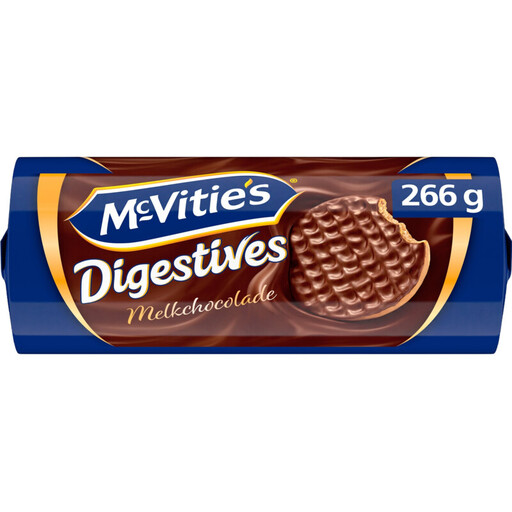
McVitie's Digestives Milk Chocolate, 266 g
A chocolate digestive for an everyday snack during a leisurely ride.
The pack contains 266 g. Check the label to see how many carbohydrates you’ll get per biscuit, and check for milk, soya, wheat and gluten if they’re relevant to you.
View at Joybuy
 No image available
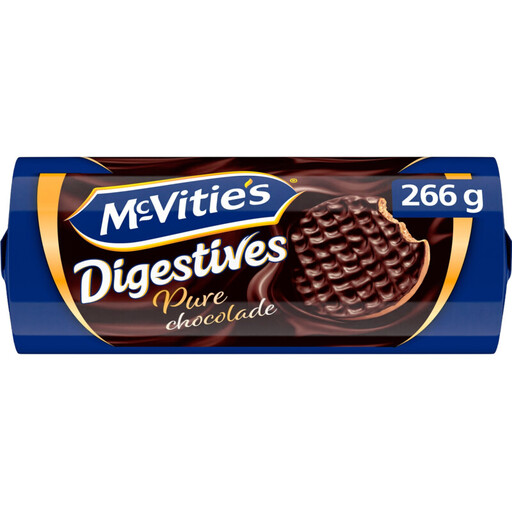
McVitie's Digestives with Dark Chocolate, 266 g
A dark chocolate digestive for anyone who wants to take a biscuit along as a snack or have one after a ride.
The pack contains 266 g. Check the carbohydrates in the portion you’ll actually eat, and if you have dietary requirements, read the label for milk, soya, wheat and gluten.
View at Joybuy
 No image available
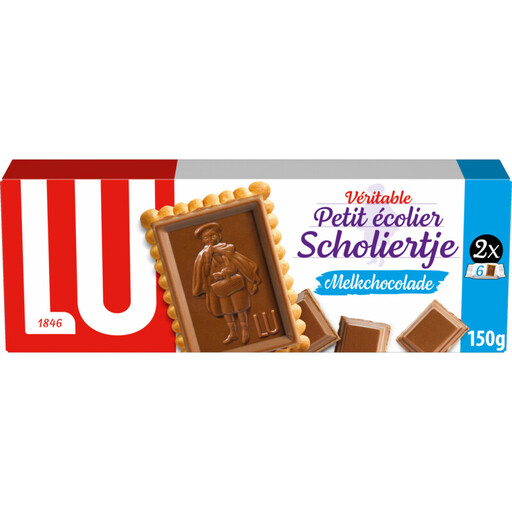
Lu Scholiertje Milk Chocolate Biscuits, 150 g
An option for a small snack break during a leisurely ride; these are butter biscuits with milk chocolate, not digestives.
The pack contains 150 g, with the biscuits wrapped in pairs. Check the nutritional information for the portion you eat and, if you have dietary requirements, read the allergen information too.
View at Joybuy
Frequently asked questions
Can I eat chocolate digestives during a long bike ride?
You can have them as a snack as part of a food and drink plan you’ve tried before, but don’t assume they’ll replace fast-absorbing sports nutrition. The Netherlands Nutrition Centre recommends fast-absorbing carbohydrates during prolonged endurance exercise, so check the carbohydrates in the portion you eat and see how the biscuit suits you while cycling.
Is a chocolate digestive a good choice just before setting off?
A small portion you’ve tolerated well before can make a suitable snack, but don’t eat lots of biscuits just before setting off. The Netherlands Nutrition Centre advises against large portions and foods high in fat, protein or fibre just before exercise, as these can cause digestive discomfort.
Do I need sports bars or gels for a bike ride lasting less than an hour?
According to the Netherlands Nutrition Centre, sports bars and gels are generally unnecessary for rides lasting less than an hour. In that case, a chocolate digestive is simply a snack, not something you need for the effort; remember to take a drink too.
Is a gluten-free chocolate digestive also free from milk and soya?
No, that doesn’t follow from the gluten-free label. Jumbo lists milk, oats and soya in Lekker Vrij van Gluten Digestives Melkchocolade, and warns that the product may contain nuts. Check all the details relevant to you on the current packaging.
Where can I check the allergens in a chocolate digestive?
Read the ingredients list and allergen information on the packaging of the product you’ve chosen. The Netherlands Food and Consumer Product Safety Authority states that allergens in prepacked foods must be clearly listed in the ingredients; don’t rely on the product name or an old online description alone.


