What should you look for when buying?
Start with the school’s rules and the label. Then work out how many portions you need and whether you want to portion the biscuits yourself.
| What to consider |
What to check when buying |
Who it matters to |
| School rules and allergens |
Ask which treats and types of packaging are allowed. For every pack you buy, check the ingredients, allergens and any ‘may contain’ statement. |
If I’m bringing biscuits for a group, I first need to know whether everyone can have them under the school’s rules. For around 33% of consumers, this would be their top priority when buying. |
| Portions and packaging |
Compare the number of biscuits or stated portions, and check whether you’ll need to portion them yourself. |
When handing them out to visitors, I want to have portions ready without needing to divide up the biscuits at the fair. For around 27% of consumers, ease of portioning would come first. |
| Number of usable portions |
Work out how many portions you need and whether you’ll use bags or labels to portion them. |
When buying for lots of visitors, I don’t want to rely on the pack weight alone and find I’ve run short of portions later. For around 20% of consumers, the number of usable portions would be the main consideration. |
| Type of biscuit and nutritional information |
Check whether it’s a digestive, a filled biscuit or another type of chocolate biscuit. If you wish, compare fibre, sugars and fat per 100 g or per portion. |
I’m looking for the taste of a classic chocolate digestive and don’t want to accidentally choose a filled biscuit or speculoos. For around 20% of consumers, the type of biscuit would be the deciding factor. |
Related products at Joybuy
Below are two chocolate biscuits to consider as alternatives to a digestive if small portions are important, followed by a chocolate digestive. Before choosing, check which types of biscuits the school allows and how many portions you need.
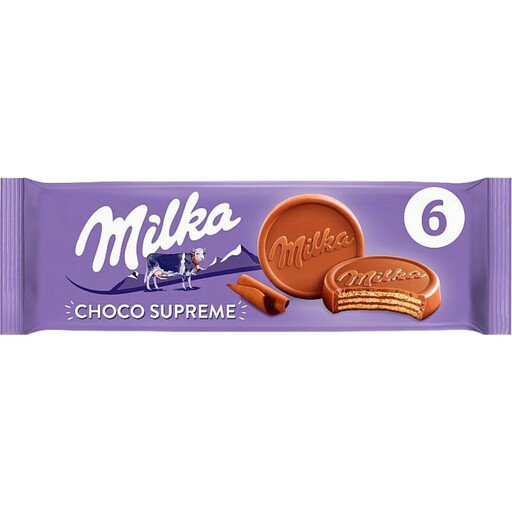 Image unavailable
Milka Choco Wafer Milk, 180 g
A chocolate wafer to consider if a wafer would work better than a classic digestive in your school fair selection. The product description lists milk, soya and wheat or gluten, and possible traces of egg and nuts; check the current label and the school’s rules.
View at Joybuy
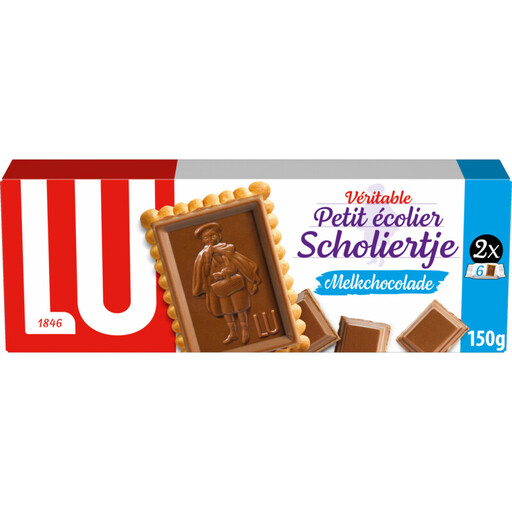 Image unavailable
Lu Scholiertje Milk Chocolate Biscuits, 150 g
A chocolate biscuit to consider if you’re also open to a type other than a digestive. The product description lists milk, wheat or gluten and soya, and possible traces of nuts; read the allergen information on the pack you buy before packing the biscuits.
View at Joybuy
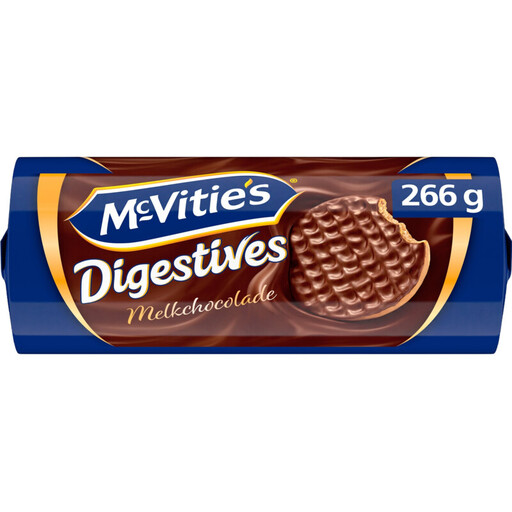 Image unavailable
McVitie's Digestives Milk Chocolate, 266 g
A milk chocolate digestive for anyone looking specifically for this type of biscuit and planning to portion it themselves. Check the number of biscuits and the pack format before deciding how to hand them out. The product description lists milk, soya and wheat or gluten; always use the current label to check allergens.
View at Joybuy
Frequently asked questions
Can I take chocolate digestives to a school fair?
First, ask the school what rules apply to food and treats. The Netherlands Nutrition Centre also advises checking whether any children have allergies or dietary requirements. Then make sure the product you’ve chosen is suitable.
Which allergens should I look out for in chocolate digestives?
Check the current allergen statement for each product. Albert Heijn’s listings for AH Digestive puur and Verkade Digestive chocolade cream mention cereals containing gluten and milk, among other things; other allergens present or potentially present vary by variety.
Does ‘digestive’ mean the biscuit is good for digestion?
No, the product name doesn’t prove that it has any particular effect. If you want to compare nutritional values, check the label to see how much fibre, sugars and fat the specific biscuit contains per 100 g or per portion.
What should I keep if I portion biscuits into packs myself?
Keep the original packaging with its ingredients and allergen information alongside the portions, so you can check what they contain. The Netherlands Food and Consumer Product Safety Authority says that allergen information for non-prepacked foods must be available before purchase. Also ask the school what rules apply to treats you’ve packed yourself.
How do I work out how many packs I’ll need?
Start with the number of portions you want to hand out or sell, then check how many biscuits or stated portions are in the pack you’ve chosen. For example, Albert Heijn lists 18 portions of 17 g for AH Digestive puur; don’t assume another variety has the same number.


