What should you look for when buying?
First, decide what matters most to you: nutritional value, a portion that’s easy to take with you, or avoiding gluten. Then compare the packaging and nutritional information of the options that fit your needs.
| What to consider |
What to check when buying |
Who it matters to |
| Nutritional value |
Compare sugars, saturated fat, fibre and protein per 100 g and per portion. |
I want to know the nutritional value of the amount of biscuits I’m taking with me, rather than relying on the front of the pack. An estimated 50% of consumers put this comparison first. |
| Portion and packaging |
Check the weight or number of biscuits in each individual pack and the storage advice. |
If you only want to put a small amount in your gym bag, a sealed portion means you don’t have to open the rest of the pack. An estimated 38% of consumers make this their top priority. |
| Gluten and allergens |
If needed, look for an explicit gluten-free label and read the full allergen information, including details about wheat and other ingredients. |
If I need to avoid gluten, the label determines which biscuits are suitable for me; the product name alone isn’t enough. This is the most important requirement for an estimated 12% of consumers. |
Digestives and alternatives at Joybuy
This selection includes a classic chocolate digestive and chocolate biscuits or wafers you could consider as an alternative for when you’re out and about. A wafer or another type of chocolate biscuit isn’t the same as a digestive, so choose the type of biscuit first, then check the portion size, nutritional information and allergens.
 No image available
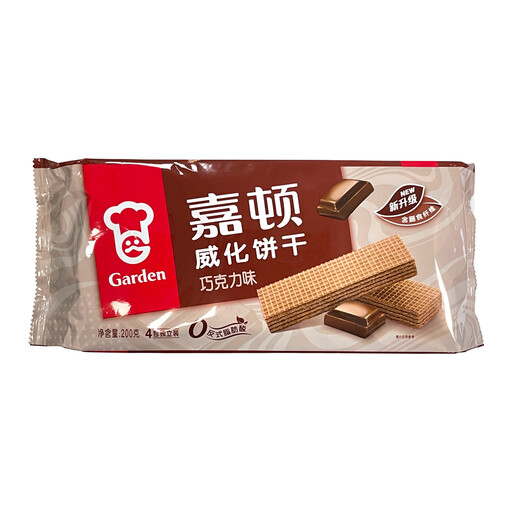
Garden Wafers Chocolate Flavour, 200 g
A chocolate-flavoured wafer for anyone looking for an alternative to a digestive. Check whether it has individual packaging if you want to take a measured portion with you, and read the label if you need to avoid allergens.
View at Joybuy
 No image available
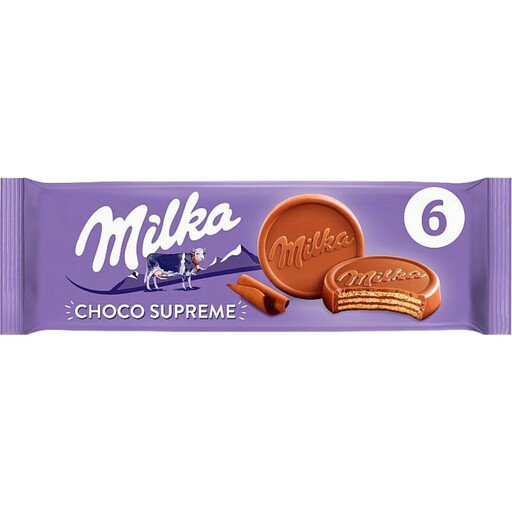
Milka Choco Wafer Milk, 180 g
A chocolate wafer to consider if you’d rather take a wafer than a digestive with you. Before comparing quantities, check the weight per wafer and the nutritional values per 100 g and per portion on the packaging.
View at Joybuy
 No image available
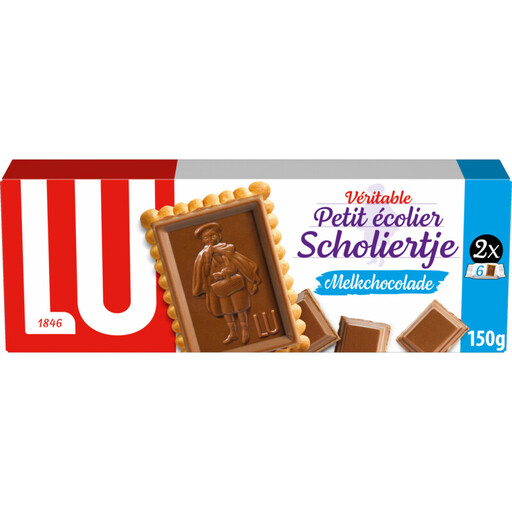
LU Scholiertje with milk chocolate, 150 g
A chocolate biscuit for anyone who isn’t specifically looking for a digestive. Check how many biscuits make up a portion you can take with you, then use the nutritional information on the pack to compare it with other biscuits.
View at Joybuy
 No image available
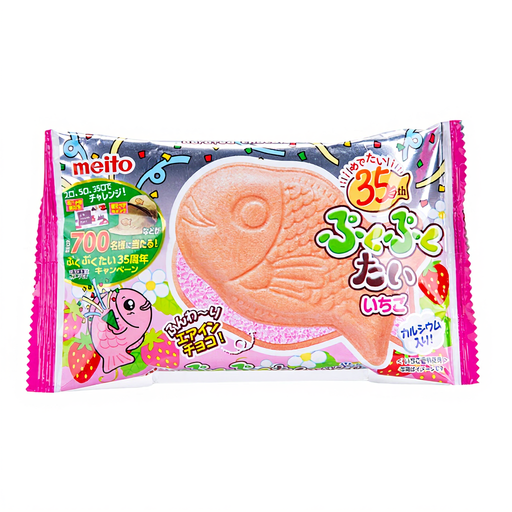
Meito Pukupukutai Chocolate Strawberry Wafer, 16,5 g per pack
A chocolate and strawberry-flavoured wafer for anyone who wants to take a small pack instead of a digestive. Compare nutritional values on the same basis, and check the allergens on the packaging.
View at Joybuy
 No image available
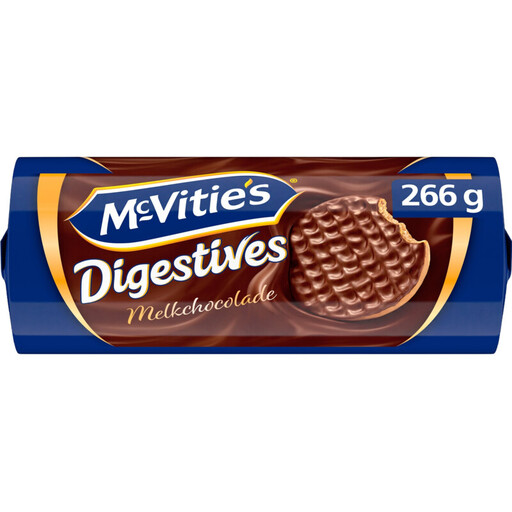
McVitie's Digestives with milk chocolate, 266 g
A classic chocolate digestive if that’s the type of biscuit you’re looking for. According to Albert Heijn’s product information, this milk chocolate option contains wheat, milk and soya. Check the current packaging for allergens, nutritional values per portion and how best to take it with you.
View at Joybuy
Frequently asked questions
Is a chocolate digestive a good snack after exercise?
It depends on what you want to eat at that moment; ‘digestive’ isn’t a sports nutrition label. Voedingscentrum highlights sugar, saturated fat, fibre and protein as some of the differences to consider when choosing snacks. If you have a specific nutrition goal, compare the nutritional value of the portion you’ll actually eat.
Can I eat a regular chocolate digestive if I need to avoid gluten?
Don’t go by the name: the McVitie's options described by Albert Heijn contain wheat or cereals containing gluten. If you need to eat gluten-free, choose a product clearly labelled gluten-free and read the full allergen information too. If you have a wheat allergy, check the information about wheat specifically.
How can I take biscuits with me without opening a whole pack?
Check whether the product comes in sealed individual packs and how many biscuits each contains. Lotus Biscoff, for example, says its crispy chocolate wafers are individually wrapped in portions of four. Store opened biscuits according to the advice on the packaging, preferably in a dry, airtight container.
Where can I find allergen information for packaged biscuits?
According to the Netherlands Food and Consumer Product Safety Authority, allergen information must be shown on the label of prepacked foods. Read the current packaging before buying or eating a product, even if you’ve bought it before.


